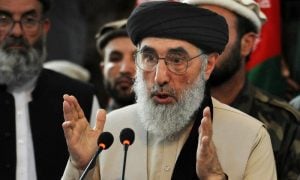
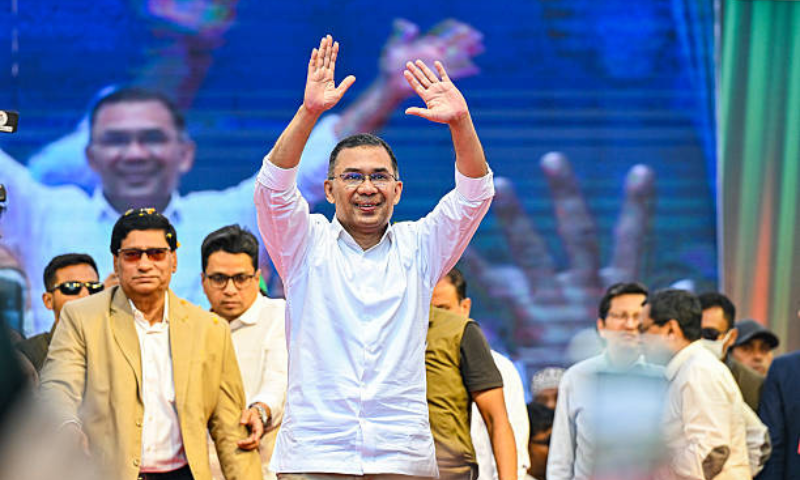
DHAKA: Polling began on Thursday in Bangladesh, with millions of voters lining up at stations across the country in the first general election since the 2024 student-led uprising that ousted former prime minister Sheikh Hasina.
The Muslim-majority nation of 170 million people, with 127 million voters, goes to the polls Thursday for the first time since the uprising, electing 350 lawmakers to parliament.
There are more than 51 parties and more than 2,000 candidates.
Here are the key players in a vote that European Union election observers say will be the “biggest democratic process of 2026, anywhere”.
-
Interim government –
Nobel Peace Prize winner Muhammad Yunus, 85, who returned from exile at the behest of protesters to lead a caretaker government, will step down after the polls.
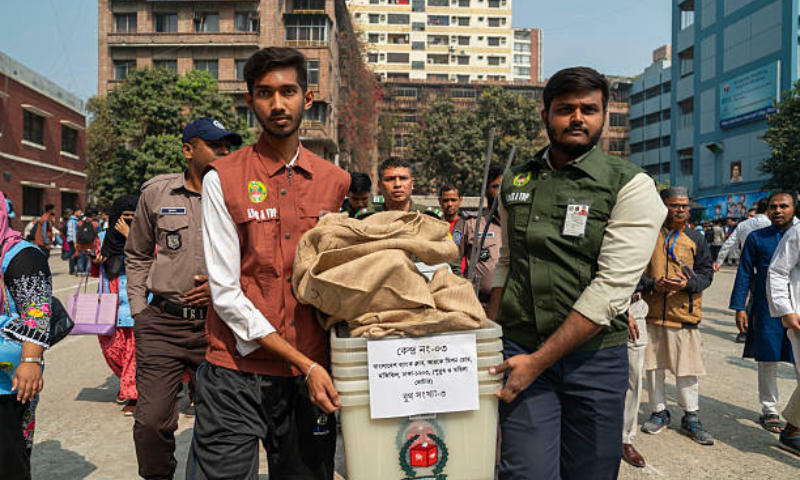
Yunus said he inherited a “completely broken” political system and championed a reform charter he argues is vital to prevent a return to authoritarian rule. A referendum on the proposed changes will also be held on Thursday.
-
Bangladesh Nationalist Party (BNP) –
The BNP, led by Tarique Rahman, 60, is widely tipped to win the election after he returned in December from 17 years of self-imposed exile.
A BNP-led alliance includes leftist, centrist and small Islamist groups.
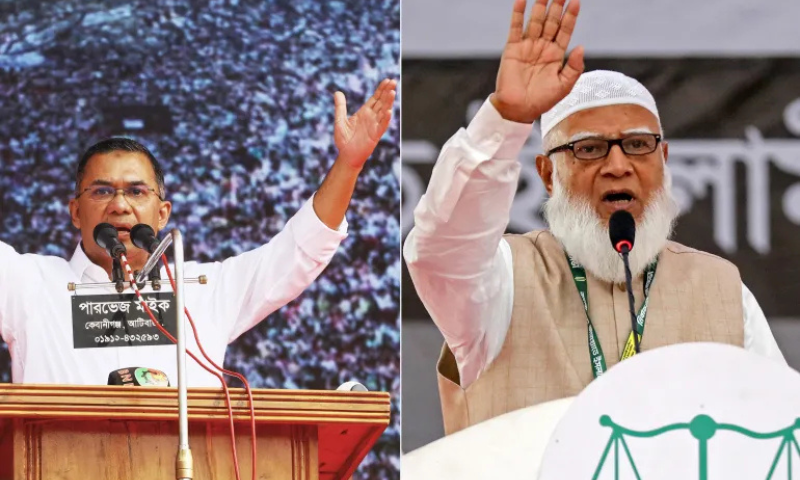
“We expect that we will have a clear mandate from the people,” Rahman told AFP ahead of the vote.
Opinion polls in Bangladesh vary widely, though most generally put the BNP ahead — sometimes only by a narrow margin.
-
Islamic alliance –
Jamaat-e-Islami, the country’s largest Islamic party, which is ideologically aligned with the Muslim Brotherhood, is seeking a return to formal politics after being crushed during Hasina’s tenure.
Jamaat’s chief Shafiqur Rahman, 67, is leading an alliance of more than 11 smaller parties, including the National Citizen Party (NCP), formed by student leaders who spearheaded the uprising.
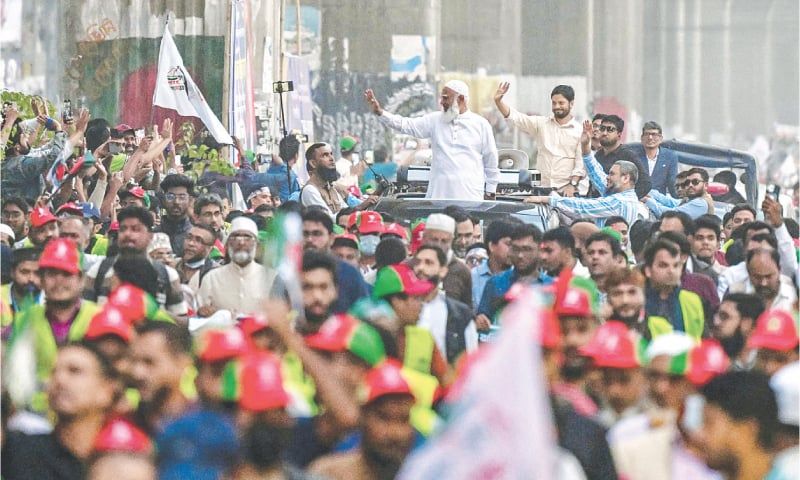
Bangladesh — the world’s third most populous Muslim-majority country after Indonesia and Pakistan — is home to diverse strands of Islamic practice, including a significant Sufi community often condemned by hardline Islamists.
Around 10 percent of Bangladeshis are not Muslim — the majority of those are Hindu, and the country is also home to a small number of Christians.
-
Awami League –
Hasina, 78, now a fugitive in India, was sentenced to death in absentia for crimes against humanity in November.
Her former ruling Awami League, once the country’s most popular party, has been outlawed, a ban condemned by rights groups.
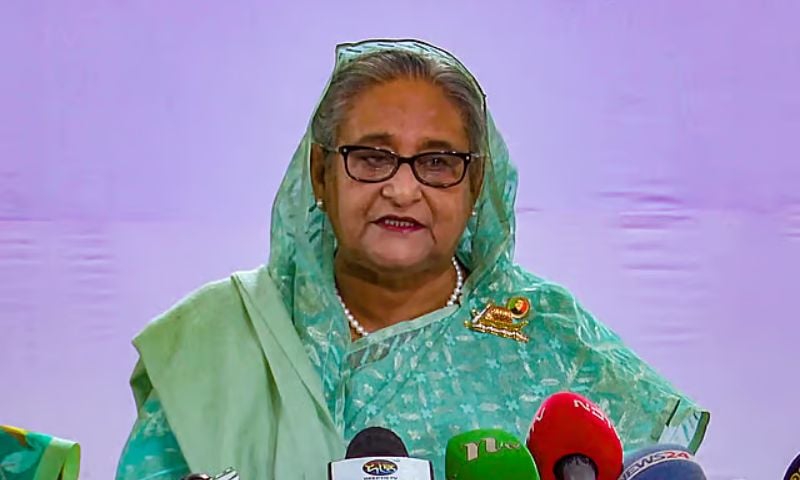
Hasina told AFP that holding elections without her party would be “sowing the seeds” of further division.
In the last elections, in January 2024, the Awami League took 222 seats — results decried by opposition parties as a sham.
-
The army –
In a country with a long history of military coups, the army remains a pivotal force.
More than 300,000 security personnel, including the army and police, will be on duty.
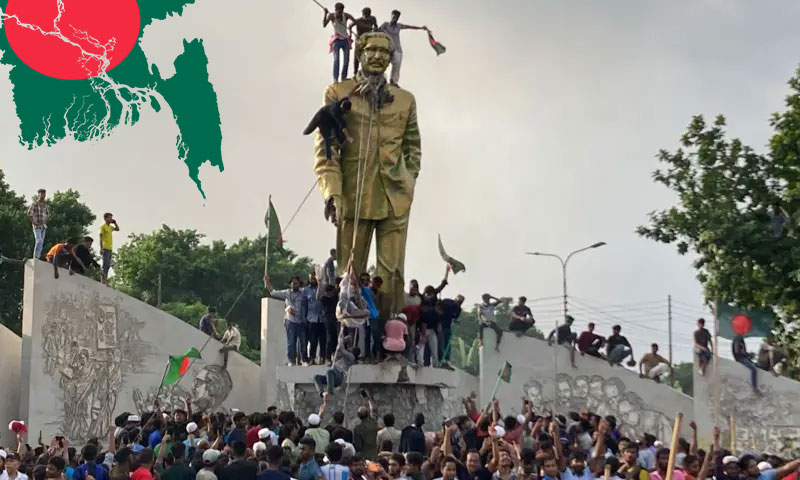
Rights organisation Ain o Salish Kendra reported that 158 people have been killed and more than 7,000 injured in political violence between August 2024 and December 2025.
Transparency International Bangladesh (TIB) raised concerns over the law-and-order situation, accusing parties of forming “mobs” and setting up roadblocks.
-
International players –
Regional powers have taken a keen interest in the outcome of the polls.
Bangladesh’s relations with India — once Hasina’s strongest ally — have turned sour.
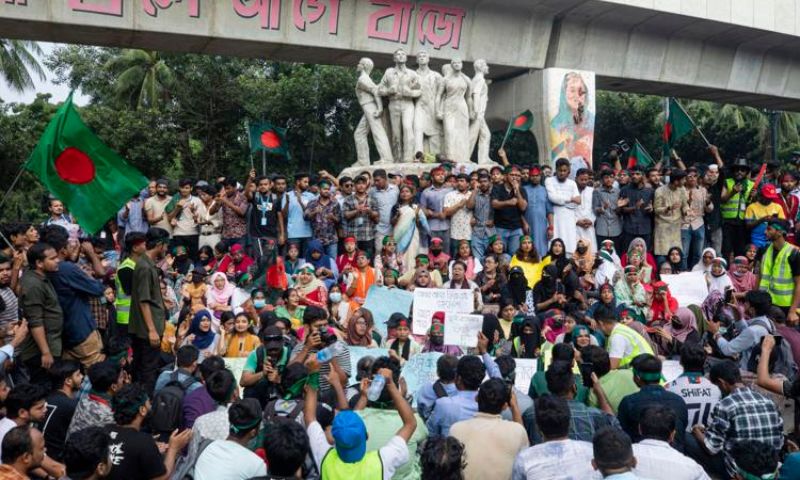
Yunus’ first state visit was to China, signalling a strategic shift, while Dhaka has also deepened engagement with Pakistan, India’s arch-rival.
The Election Commission has approved more than 55,000 domestic observers and 330 foreign observers.