Key Points
- Bangladesh cancels Indian-backed economic zone in Chattogram
- Decision follows review of land use, investment pace and strategic priorities
- Move comes against the backdrop of emerging regional and diplomatic frictions
- Recent exclusion of Bangladesh cricket team from T20 World Cup adds to strains
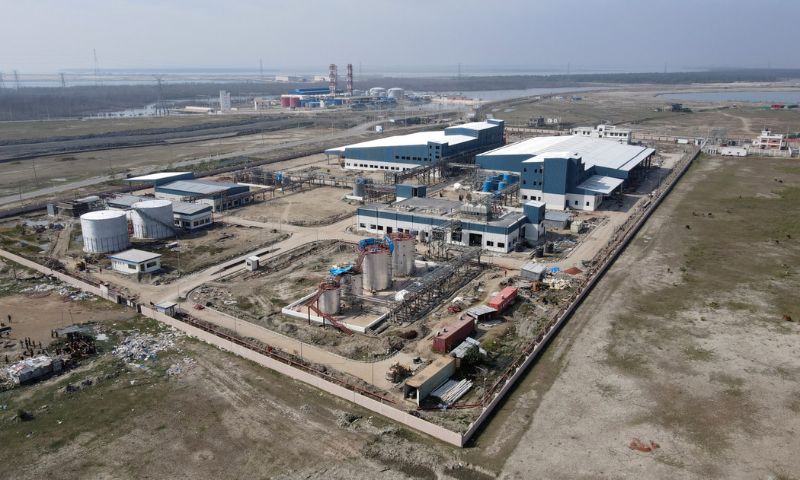
ISLAMABAD: Bangladesh has announced the cancellation of an Indian-backed economic zone project in the port city of Chattogram, reflecting not only a reassessment of investment priorities but also a more complex regional and geopolitical backdrop.
Bangladeshi authorities said the decision followed a comprehensive review of the project’s progress, land utilisation and alignment with national development objectives, according to a BBC Urdu report.
The economic zone, earmarked exclusively for Indian companies, was approved to deepen bilateral investment ties, but officials acknowledged that tangible progress had remained limited.
The project’s cancellation comes at a time when Dhaka is recalibrating its external engagements amid shifting regional dynamics in South Asia and the wider Indo-Pacific.
Analysts note that Bangladesh has increasingly sought to balance relations with major regional players, prioritising economic diversification and strategic autonomy over country-specific industrial commitments.
The decision also coincides with recent controversy in the sporting arena, where the ICC had excluded Bangladesh from the upcoming Men’s T20 World Cup.
The episode has generated unease in Dhaka and added to perceptions of marginalisation in regional forums, according to diplomatic observers. While unrelated in formal terms, analysts say such developments collectively shape the broader tone of bilateral and regional relations.
The Chattogram economic zone was expected to host Indian manufacturing units in sectors such as textiles, pharmaceuticals and light engineering. Its location near Bangladesh’s principal seaport made it strategically significant, intensifying domestic debate over whether scarce industrial land should be reserved for exclusive foreign use.
Officials stressed that the cancellation does not signal a withdrawal from engagement with India, which remains one of Bangladesh’s largest trading partners. Trade volumes between the two countries continue to grow, supported by cross-border connectivity projects and preferential market access.
However, regional analysts say the move highlights Dhaka’s intention to pursue a more cautious and selective approach to large-scale bilateral initiatives, especially those carrying symbolic or strategic weight.
Bangladesh has recently emphasised attracting diversified foreign investment, including from East Asia, the Middle East and Europe, alongside strengthening its own export-oriented manufacturing base.
Indian authorities have yet to issue an official response. Diplomats say the development may be discussed through existing bilateral mechanisms, particularly as both countries navigate a period of heightened regional competition and evolving security alignments.
For Bangladesh, the cancellation underscores a broader effort to align economic policy with domestic priorities and a changing regional environment, where economic decisions are increasingly intertwined with diplomatic, strategic and even sporting considerations.