


ISLAMABAD: Pakistan is preparing to raise $1.25 billion through a mix of Chinese currency-denominated Panda bonds and international dollar bonds, as authorities move into the execution phase of their external borrowing strategy, senior finance officials and market participants said.
The government is set to issue four formal invitations to leading global investment banks, by asking them to submit proposals to underwrite upcoming bond offerings. The move signals that authorities are entering the execution stage of their external borrowing plan, following months of groundwork with investors.
Chinese currency bonds, commonly known as Panda bonds, are issued in mainland China and denominated in the Chinese currency. Dollar bonds are offered to international investors and settled in United States dollars. Together, the two instruments are supposed to diversify Pakistan’s funding sources and reduce reliance on any single market.
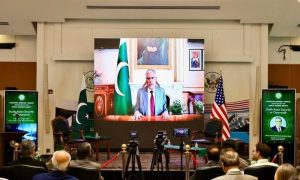
The strategy was outlined during a recent briefing held by the Finance Ministry’s debt management office with financial market participants at the Pakistan Stock Exchange earlier this month, officials said. The meeting focused on communicating the government’s medium-term borrowing approach and new initiatives under consideration.
Shankar Talreja, head of research at Topline Securities Limited, who attended the session, told the media that the authorities appeared ready to move decisively ahead. “The government is expected to issue four invitations to engage large international investment banks, which will submit proposals to underwrite the bonds Pakistan plans to launch,” Talreja said.
He added that offerings linked to Chinese markets and markets in the United States are being prepared in parallel, with an overall fundraising target of approximately $1.25 billion. According to Talreja, the International Monetary Fund has encouraged Pakistan to raise around 250 million dollars through Chinese currency bonds in the current year and a further one billion dollars through dollar bonds in the following year, though the final mix may vary depending on market conditions.
Pakistan’s foreign exchange reserves have climbed to nearly $16 billion, supported by a multi-year support programme from the International Monetary Fund and financial backing from partners including China, Saudi Arabia and the United Arab Emirates. Even so, officials continue to stress the need for diversified and market-based funding to manage balance of payments pressures.
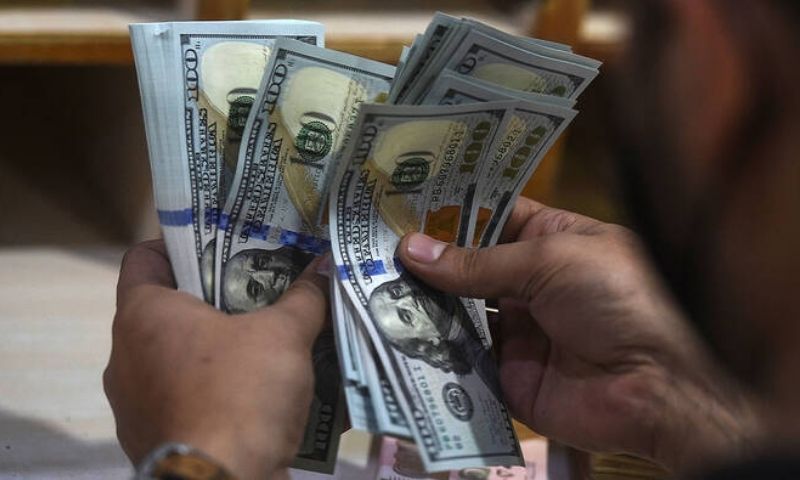
Alongside overseas borrowing, the government is also working on exchange rate-linked notes or bonds aimed at attracting dollars already held within Pakistan’s banking system. Talreja said these instruments are designed for local investors, particularly individuals holding foreign currency deposits who want returns tied to the United States dollar.
Central bank data show that commercial banks held approximately 5.14 billion dollars in foreign currency deposits at the start of January.
“The government borrows large amounts in dollars from external lenders at relatively high interest rates,” Talreja said. “There is a clear case for tapping local dollar holders at more reasonable returns.”
Pakistan faces near-term external repayment obligations, including a $1.3 billion eurobond maturing in early April. A Eurobond repayment of $500 million made in September last without market stress is evidence of improved liquidity conditions.
Market conditions may also support new issuance. Ten-year Chinese government bond yields are currently below 2 per cent, compared with roughly 4 to 4.5 per cent on United States bonds of similar maturity. Officials expect pricing on any new Pakistan bonds to align with prevailing secondary market yields, with Chinese currency bonds likely to be particularly competitive.
To build investor confidence, Pakistani authorities have already conducted international roadshows and compiled a list of more than 100 global investors as part of their outreach, according to people familiar with the process.