ISLAMABAD: Iran is pushing for a regional meeting aimed at brokering a breakthrough between Pakistan and Afghanistan’s interim Taliban regime, after earlier mediation attempts by Turkey and Qatar failed to produce results.
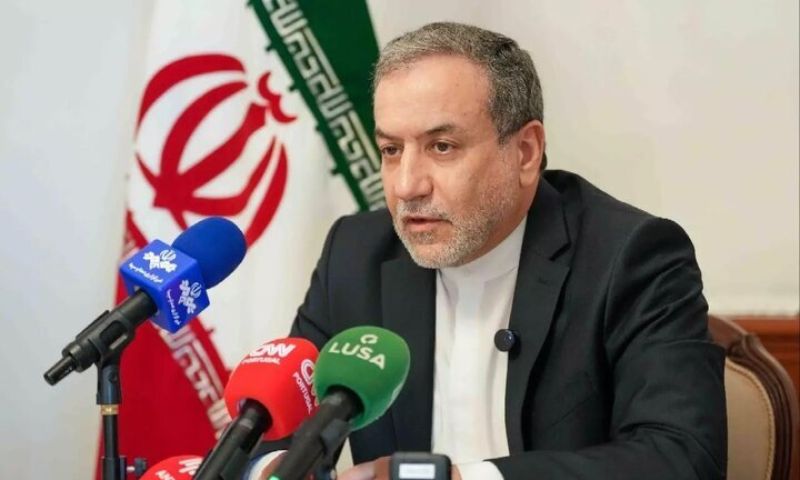
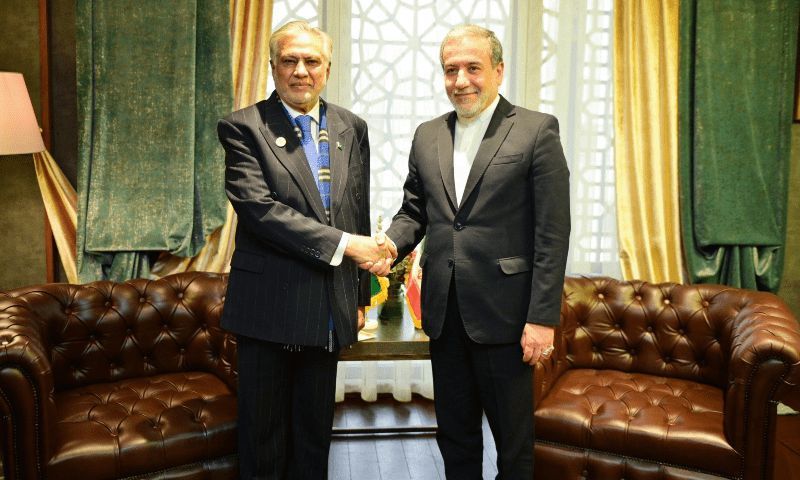
Over the past few days, Iranian Foreign Minister Abbas Araghchi has spoken to his Pakistani and Afghan counterparts, offering Tehran’s good offices to ease rising tensions between the two neighbours.
Speaking at the Tehran Dialogue Forum on Sunday, Araghchi confirmed that Iran is working to bring together regional states to address the growing strain in Pakistan–Afghanistan relations.
Pakistan has welcomed the move, and diplomatic sources say a potential regional meeting could include Turkey, Qatar, Iran, Russia, and even China, reports local media.
Following his conversations with the Pakistani and Taliban foreign ministers, Araghchi also contacted his Russian counterpart. After the call, Moscow likewise offered to mediate between Islamabad and Kabul.
Regional players, including Iran, Russia, and China, fear that worsening ties between Pakistan and Afghanistan could further destabilise an already volatile region. Diplomats say that without improvement in bilateral relations, the broader region will remain at risk.
Talks deadlocked over TTP guarantees
Previous mediation efforts by Qatar and Turkey failed to break the stalemate. Three rounds of talks — one in Doha and two in Istanbul — made no progress.
At the centre of the deadlock is the Afghan Taliban’s refusal to provide a written commitment or agree to any enforcement mechanism guaranteeing decisive and irreversible action against the banned Tehreek-e-Taliban Pakistan (TTP) and other anti-Pakistan terrorist groups.
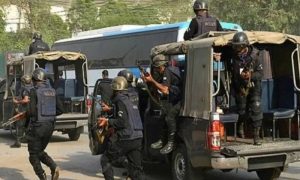
Although the Istanbul talks collapsed, the ceasefire technically remains in place. However, the recent bombing in Islamabad and the foiled attempt to stage APC-style carnage in Wana, South Waziristan, have placed the fragile truce under severe strain.
Recognising the urgency, regional states, including Iran, are trying to persuade both sides to give diplomacy another chance. Pakistani officials insist that Islamabad has consistently welcomed dialogue, but Kabul bears responsibility for the deadlock.
Pakistan welcomes Iran’s mediation offer
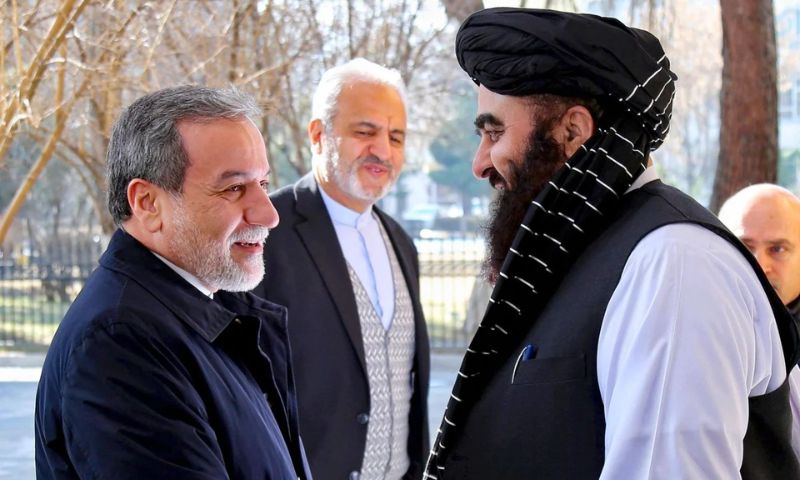
The Taliban regime has not publicly rejected Iran’s proposal, but the idea of convening regional foreign ministers comes at a sensitive moment. Araghchi warned that the cost of inaction is too high, citing the human toll and the escalating threat to regional stability.
Iran’s desire to mediate is not new. Tehran has repeatedly expressed readiness to facilitate discussions, including after the border skirmishes in October.
Pakistan’s Foreign Ministry reiterated its support for Iran’s role. Spokesperson Tahir Hussain Andrabi told Dawn:
“Iran is a brotherly, friendly country. Pakistan is always in favour of finding peaceful resolutions of issues through dialogue and diplomacy, and we appreciate the offer of mediation of our brotherly country, Iran.”
He said Pakistan believes Iran can play an important role and will not hesitate to accept any mediatory role by Tehran, adding that Islamabad has a “very strong case”.
He further stated: “Generally, mediations are resented by a country or a side that is on a weak legal or a political case. Pakistan’s case on this issue, on terrorism emanating from Afghanistan, is very strong. So, obviously, we will not shy away from mediation.”
Recently, Abbas Araghchi again offered assistance in helping to resolve the remaining differences and in de-escalating tensions between Pakistan and Afghanistan’s Taliban interim government.