GENEVA: The world’s water cycle is becoming increasingly erratic, swinging between extremes of too little and too much water, the United Nations (UN) warned on Thursday, as a strengthening El Niño threatens to intensify the long-term trend.
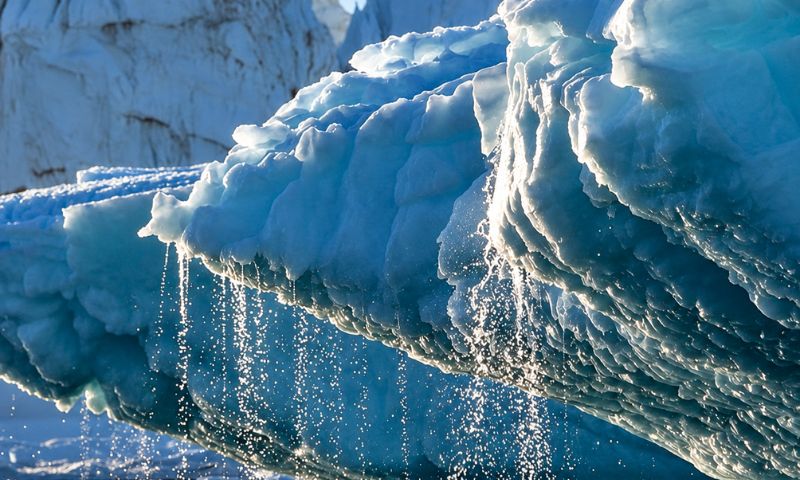
The UN’s World Meteorological Organisation (WMO) said 2025 was among the three driest years for the world’s rivers in more than three decades, while glaciers shrank across all regions and groundwater levels continued to decline in many parts of the world.
Its annual State of Global Water Resources report found that the Earth’s freshwater storage – including groundwater, lakes, rivers, soil moisture, vegetation, ice and snow – continued its decade-long decline.
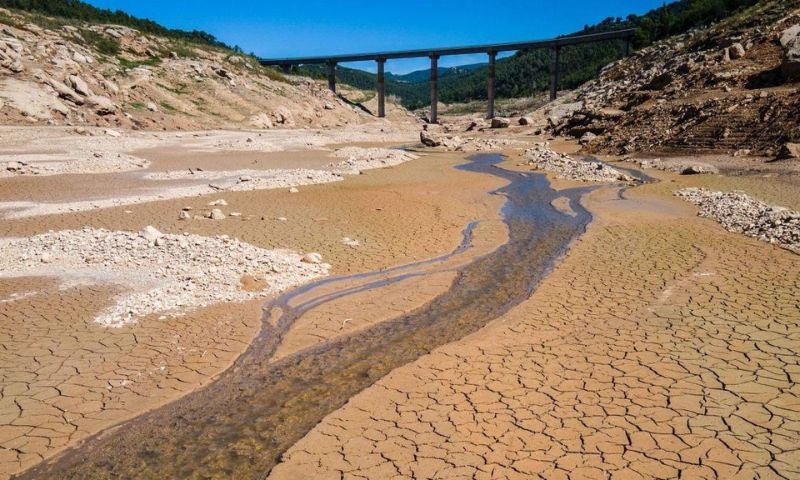
WMO Secretary-General Celeste Saulo expressed particular concern over the depletion of “slow reserves” such as groundwater and glaciers, which traditionally act as a buffer during droughts and dry seasons.
“Now, we are depleting that savings account,” Saulo told reporters. “We are spending our reserves.” The report estimated that glaciers lost a cumulative 1,400 gigatonnes of water globally between 2023 and 2025 – equivalent to the amount needed to fill about 560 million Olympic-sized swimming pools.
Groundwater showed a similar pattern, with nearly two-thirds of monitored wells worldwide recording conditions outside their historical norms in 2025, Saulo said.
READ ALSO: UN Urges World to Prepare for Extreme Heat Risk from El Niño
At the same time, water-related disasters are becoming more widespread, with the developing El Niño pattern expected to increase the risk of drought in some regions and flooding in others.
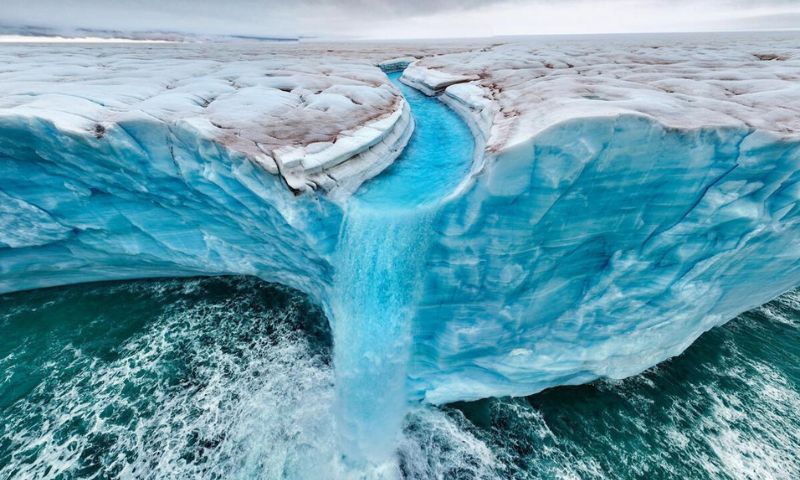
El Niño, the warm phase of a natural climate cycle that occurs every two to seven years, is associated with above-average Pacific Ocean temperatures and changes in global wind and rainfall patterns.
The WMO said rivers worldwide were already showing abnormal flows before the latest El Niño developed. Only about 36 per cent of monitored river basins recorded normal conditions in 2025, while a similar proportion experienced below-normal flows and 21 per cent recorded above-normal discharge.
The agency stressed the need for better monitoring and data sharing to understand changes in the global water cycle, warning that significant gaps remained, particularly in areas severely affected by water-related disasters.
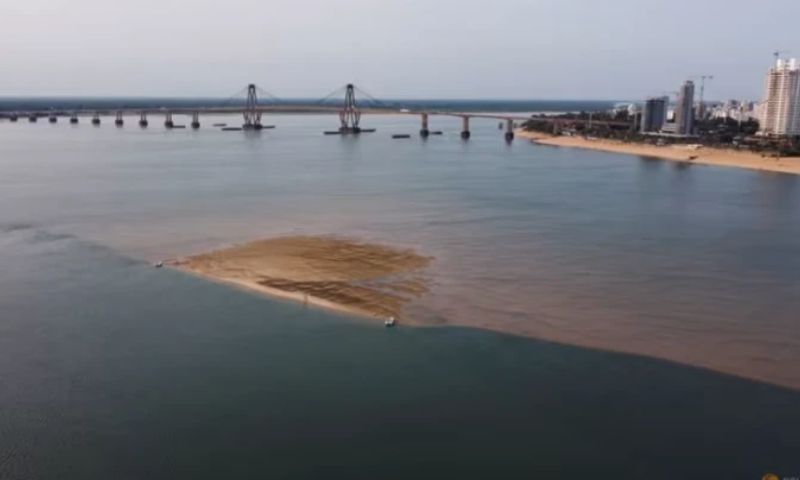
“Weather respects no borders, and this is especially true for water,” Saulo said, highlighting the importance of shared data, common standards and early-warning systems.
She noted that river basins often cross national borders, meaning that water shortages or disasters in one country can have serious consequences for neighbouring states.