
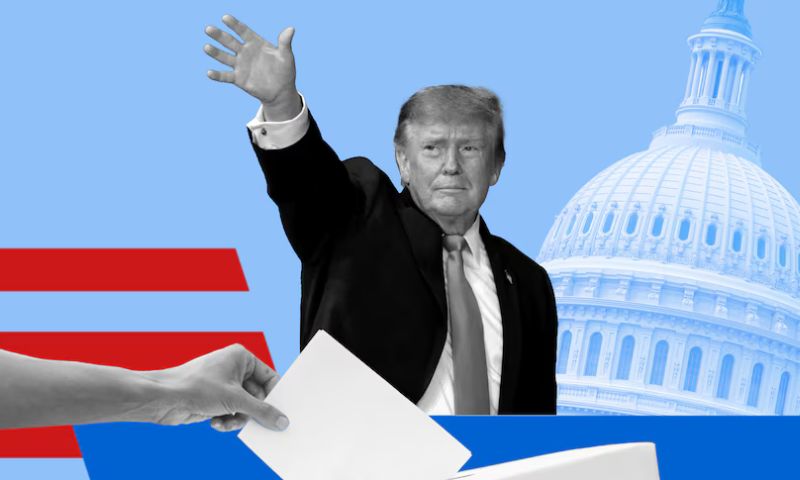
WASHINGTON: Millions of Americans are heading to the polls in the 2026 US midterm elections, a crucial vote that will determine control of Congress and test President Donald Trump’s political standing halfway through his second term.
Although Trump is not on the ballot, the outcome will have major consequences for his presidency. If Democrats win control of either chamber of Congress, they could block parts of his legislative agenda, intensify scrutiny of his administration and challenge his political authority during the final two years of his term.
The elections come amid a campaign marked by disputes over voting rules, allegations of possible interference, internal party divisions and growing concerns about the country’s political direction.
What Are Midterms?
US midterm elections take place halfway through a president’s four-year term. They determine the composition of Congress, the country’s federal legislature, which consists of two chambers: the House of Representatives and the Senate.
All 435 House seats are up for election, along with 35 of the Senate’s 100 seats. Voters in 36 states are also electing governors, who serve four-year terms.
Republicans currently hold narrow majorities in both chambers, giving them control over the legislative agenda and significant influence over congressional committees.

Historically, the party holding the White House tends to lose congressional seats in midterm elections, while the opposition often makes gains. This pattern has made the 2026 contest particularly important for Democrats, who are seeking to regain control of Congress.
The results will determine which party controls federal legislation, congressional investigations, government funding and the confirmation of senior government officials.
How Many Seats Do Democrats Need?
The House and Senate have different electoral calculations.
In the House of Representatives, all 435 seats are up for election. Democrats need a net gain of three seats to secure a majority, meaning that a relatively small number of closely contested districts could determine control of the chamber.
Around 40 House races are considered competitive, making these districts particularly important to both parties.
The Senate contest presents a more difficult challenge for Democrats. Of the 35 seats being contested, only around 12 are considered competitive, with the remainder in states that traditionally favour one party or the other.
Republicans currently hold 53 Senate seats, while Democrats and independents who caucus with them hold 47.
Democrats need a net gain of four seats to reach 51 and take control. Republicans can afford to lose three seats and retain a 50-seat majority because Vice President JD Vance, a Republican, would have the deciding vote in a tied Senate.
What If Democrats Win?
A Democratic victory in the House would significantly change the political balance in Washington.
The party would gain control of powerful congressional committees and could launch investigations into decisions and policies of the Trump administration. Lawmakers would also have greater authority to issue subpoenas, summon officials for hearings and scrutinise government spending.
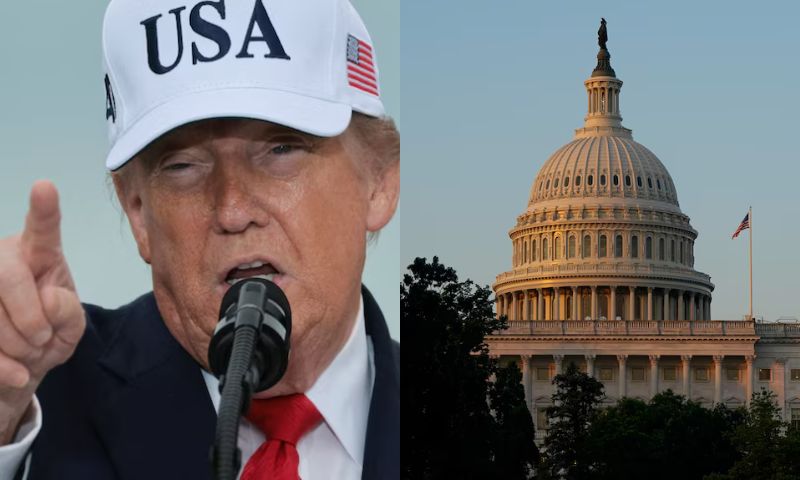
Democrats could also attempt to advance impeachment proceedings against Trump, although removing a president requires a two-thirds majority in the Senate after the House approves articles of impeachment.
A Democratic-controlled Congress could also make it considerably harder for Trump to pass legislation, approve budgets and secure support for his domestic priorities.
If Democrats capture both chambers, the president would face a more challenging political environment, with congressional oversight and legislative negotiations likely to become major sources of tension.
Redrawing The Political Map
The 2026 elections are also taking place against the backdrop of an unusually contentious redistricting battle.
Congressional districts are normally redrawn every 10 years following the US census. However, political battles over district boundaries have intensified ahead of this election.
Texas triggered a wider political confrontation after redrawing its congressional map in a move intended to favour Republicans. The decision prompted other states to consider or pursue changes of their own.
According to the Cook Political Report, the redistricting battles have given Republicans a net advantage of five additional House seats, potentially affecting the balance of power before voting even begins.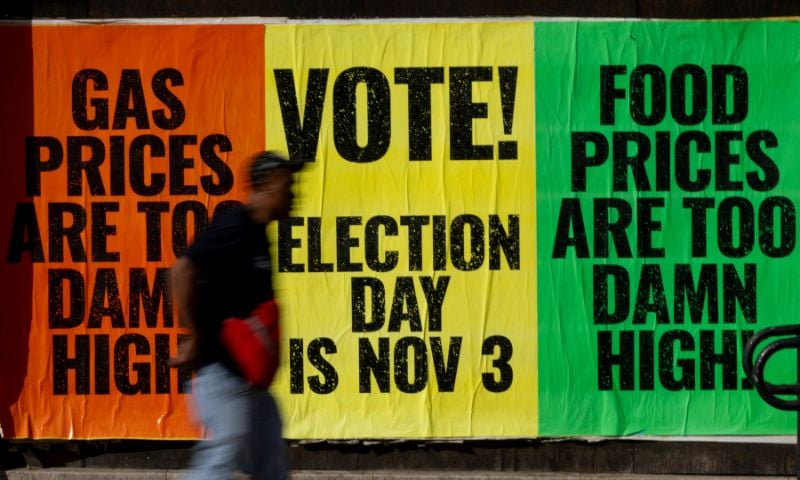
Voting rights have also become a major issue. Critics argue that recent federal and Supreme Court decisions have weakened protections under the Voting Rights Act, the landmark legislation designed to prevent racial discrimination in elections.
Disputes over voter eligibility, access to mail-in ballots and the role of federal authorities have added to concerns about the administration of the elections.
Trump At The Centre
Although presidential elections and midterms are separate contests, Trump has made himself central to the Republican campaign.
His administration’s policies, political legacy and legislative agenda have become major campaign issues, with the president actively endorsing candidates and campaigning for Republicans across the country.
Trump and his advisers have argued that he remains essential to mobilising the Republican base and protecting the party’s congressional majorities.
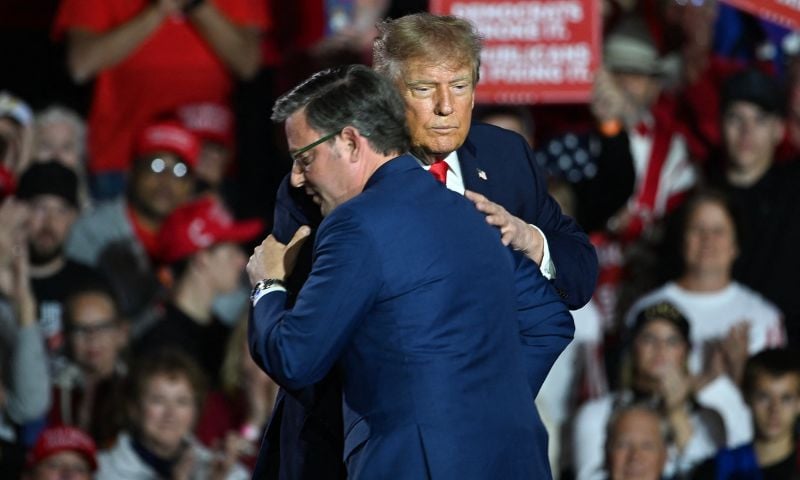
Republicans have defended his tax policies, immigration crackdown and energy agenda, while Democrats have made his presidency a central target of their campaign, presenting the elections as an opportunity to place limits on his power.
The president’s approval ratings and public reaction to his economic policies have also become important factors in the political debate.
Implications For 2028
The midterm results could shape the political landscape well before the next presidential election in 2028.
A strong Democratic performance would give the party greater influence in Washington and an opportunity to build momentum ahead of the next presidential campaign.
If Republicans retain control of both chambers, Trump would have a stronger congressional platform from which to pursue his agenda during the remainder of his term.
Governorships will also attract attention. Several governors could emerge as influential national political figures, while their performance in the elections may strengthen their standing within their respective parties.
Ultimately, the 2026 midterms will do more than determine which party controls Congress. They will offer an important indication of public sentiment towards Trump’s presidency and help shape the political contest leading up to 2028.