
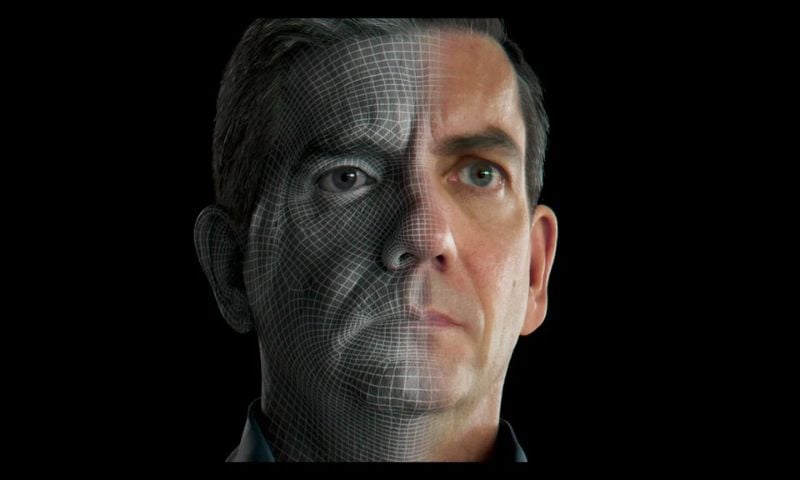
BEIJING, China: AI “digital humans” — lifelike virtual avatars powered by artificial intelligence — are rapidly emerging as one of the most talked-about technologies in the digital world, blending human-like appearance with machine-driven intelligence.
These digital humans are created using advanced AI models, including large language systems such as ChatGPT and Claude, combined with animation and voice synthesis tools. They can speak, interact and perform tasks ranging from customer service to content creation.
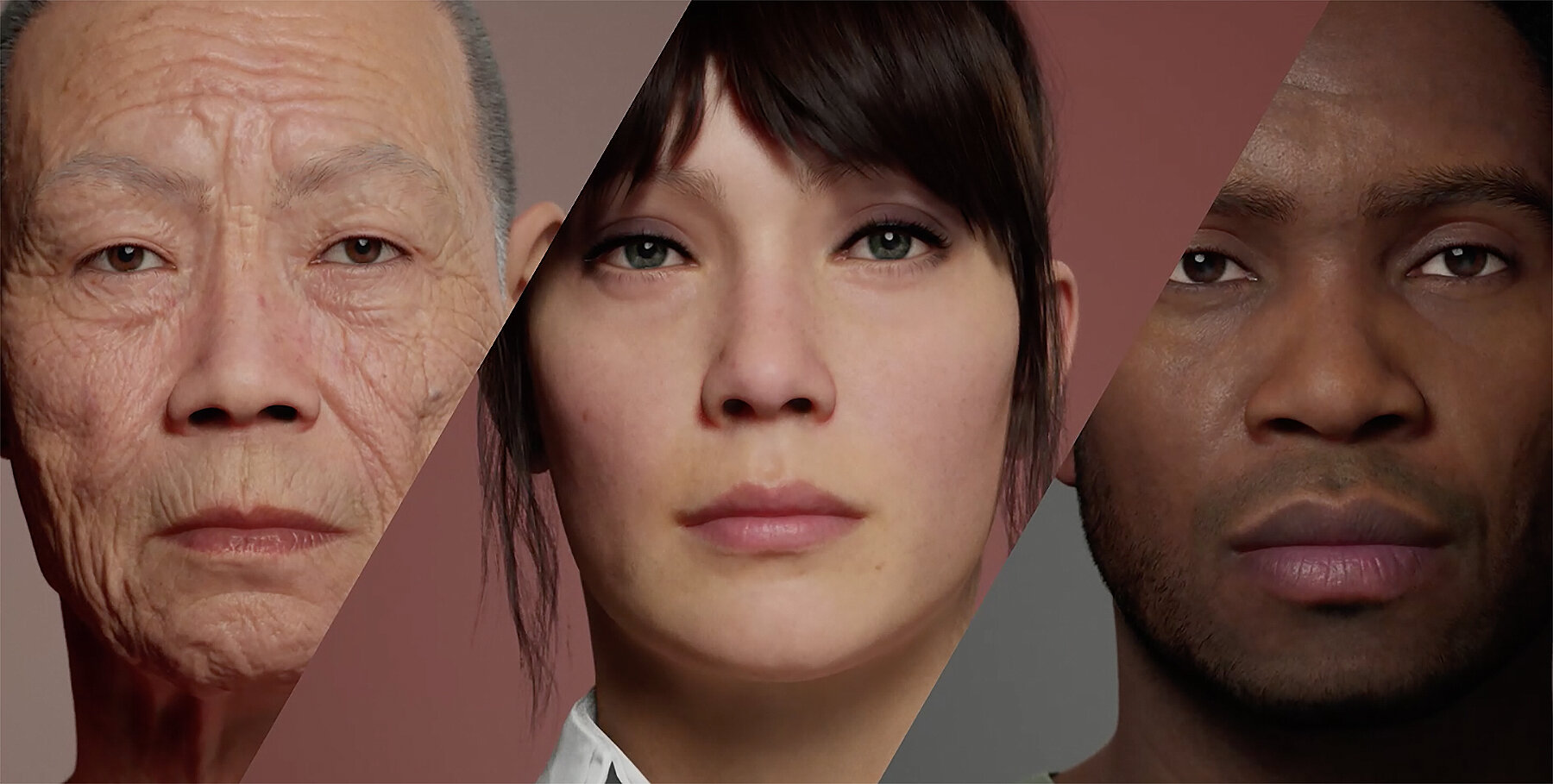
The technology is already widely used across industries. On social media and e-commerce platforms, digital humans are employed to promote products, host livestreams and engage audiences. Companies are also using them in education, healthcare and entertainment to automate interactions and reduce costs.
In China, the sector has seen rapid growth, with state media reporting the digital human industry was valued at around $600 million in 2024.
Digital humans
However, the rise of digital humans has also raised concerns. Experts warn that highly realistic avatars can be misused for impersonation, misinformation and fraud.
“We’ve moved from an AI you could talk with via a chatbot to an agentic AI, which can take action… the threat and the risks are definitely much greater,” said Yazid Akadiri, a cybersecurity expert.
Governments are beginning to respond. China’s Cyberspace Administration of China has proposed rules requiring clear labelling of AI-generated avatars and banning the use of personal data without consent.
Analysts say the challenge lies in balancing innovation with regulation. While digital humans offer efficiency and new opportunities, their rapid development is forcing policymakers to address ethical questions about identity, privacy and trust in the digital age.