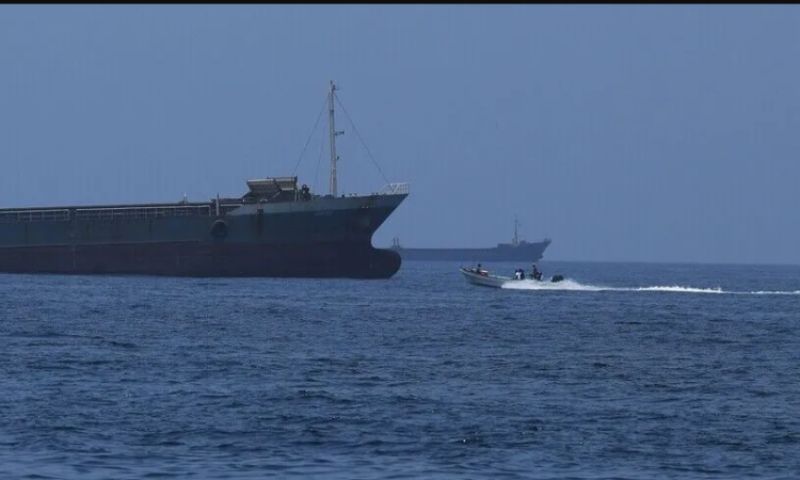
WASHINGTON: The US military said it has helped ensure the safe transit of 800 commercial vessels carrying around 380 million barrels of oil through the Strait of Hormuz since May, rejecting claims by Iranian state media that Tehran controls shipping routes in the strategic waterway.
The US Central Command (CENTCOM) said in a post on social media platform X that Iran’s assertion that vessels can pass through the Strait of Hormuz only by using routes designated by Tehran was a “claim” that did not reflect reality.
🚫 CLAIM: Iranian state media claims that transit through the Strait of Hormuz is only permitted through routes designated by Iran.
✅ TRUTH: Iran does not control the Strait of Hormuz. Since early May, U.S. forces have helped facilitate the successful transit of more than 800… pic.twitter.com/cpnTDBoFEG
— U.S. Central Command (@CENTCOM) July 9, 2026
“The truth: Iran does not control the Strait of Hormuz,” CENTCOM stated, reaffirming that the vital maritime passage remains an international waterway open to commercial shipping.
The statement came after Iranian state media suggested that ships navigating the Strait of Hormuz were required to follow routes determined by Iranian authorities, a claim Washington said was misleading.
CENTCOM highlighted the importance of maintaining freedom of navigation in the strait, which is one of the world’s most critical energy chokepoints.
A significant portion of global oil and gas shipments passes through the narrow waterway, making its security a major concern for international markets.
The US military said its operations in the region have focused on protecting maritime security and ensuring the uninterrupted flow of energy supplies through the strategic corridor.
Tensions surrounding the Strait of Hormuz have remained high due to long-standing disputes between Iran and the United States over regional security, sanctions and Tehran’s regional military activities.
Any disruption to shipping through the waterway could have major consequences for global energy prices and supply chains.
The latest statement underscores Washington’s position that no single country has authority over the strait and that commercial vessels must be able to transit the route under international maritime law.