TEHRAN/WASHINGTON: The United States and Iran exchanged fresh military strikes for a second consecutive day on Thursday, with Washington saying it hit 90 Iranian military targets and Tehran launching retaliatory attacks against US assets and regional allies, while commercial shipping through the Strait of Hormuz dropped dramatically amid escalating security fears.
The latest escalation comes less than a month after the two countries signed a memorandum of understanding (MoU) aimed at reducing tensions, with the renewed hostilities raising fresh concerns over regional stability and global energy supplies.
US Targets Military Sites
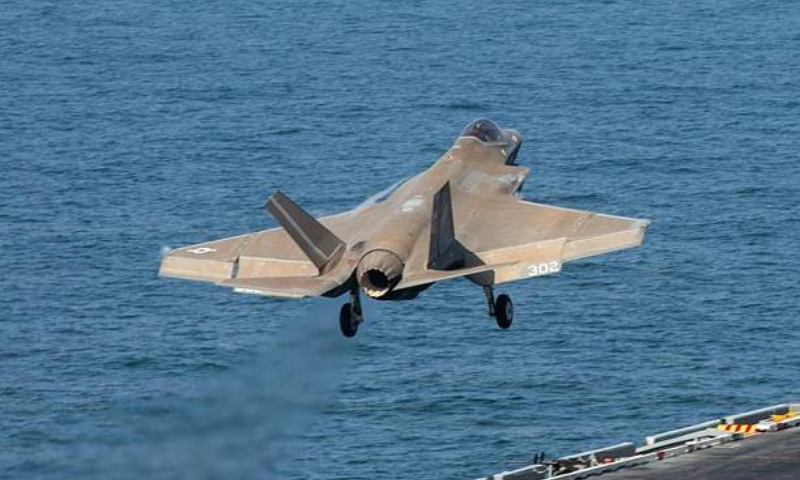
The US Central Command (CENTCOM) said it carried out strikes on 90 Iranian military targets, including air defence systems and logistics infrastructure along Iran’s coastline, saying the operation was intended to further degrade Iran’s ability to threaten commercial shipping in the Strait of Hormuz.
Iranian officials said US strikes over the past two days killed at least 14 people and injured 78 others across five provinces. State media reported that areas near the Bushehr nuclear power plant, railway links and bridges connecting Tehran with Mashhad were also hit.
Iran’s Foreign Ministry condemned the attacks as a “grave war crime”, while accusing the US administration of escalating the conflict.
Iran Expands Retaliatory Attacks
Iran said it responded by targeting US assets in Kuwait, Bahrain and Qatar. Later on Thursday, state-linked media reported further strikes against sites in Kuwait, Jordan and Iraq.
Explosions were also reported near the southern Iranian port of Konarak, where local officials said a naval facility had come under attack by an “enemy”.
Iranian Parliament Speaker Mohammad Bagher Ghalibaf warned that Washington would face consequences for further military action.
“If you strike, you’ll get hit,” Ghalibaf wrote on X, adding that the Strait of Hormuz would operate under Iranian arrangements rather than “American threats.”
Shipping Through Hormuz Falls Sharply
The renewed conflict has significantly disrupted maritime traffic through the Strait of Hormuz, one of the world’s most important energy corridors.
According to Phil Belcher, marine director at Intertanko, the number of vessels using the southern shipping lane near Oman has fallen to single figures, while overall daily traffic has dropped to around 30 ships from about 70 a week ago and well below the normal average of approximately 130 vessels before the conflict intensified.
He said the renewed violence had reversed the optimism that followed last month’s US-Iran memorandum of understanding and was creating uncertainty for businesses and seafarers operating in the region.
Iran Buries Khamenei
Separately, hundreds of thousands of mourners gathered in Mashhad as Iran buried former Supreme Leader Ayatollah Ali Khamenei after six days of funeral ceremonies.
Crowds carrying Iranian flags filled the streets, while some held placards directed against US President Donald Trump.
ALSO READ: UK Agency Keeps Strait of Hormuz Threat Level at Highest
Khamenei was killed on February 28 during the opening hours of the US-Israeli military campaign against Iran.
Trump Says Ceasefire Is Over
US President Donald Trump said Iran had recently contacted Washington seeking a deal but questioned Tehran’s willingness to honour any agreement.
“I just don’t know if they’re worthy of making a deal,” Trump said.
He also declared that last month’s ceasefire agreement was effectively over, calling further negotiations “a waste of time.”
Iranian Foreign Minister Abbas Araghchi responded on X, saying Tehran would answer “with action” rather than rhetoric.
The memorandum of understanding signed on June 17 included a 60-day ceasefire framework, commitments to ensure safe navigation through the Strait of Hormuz and discussions on sanctions relief.
Although that negotiation period has not yet expired, the latest military exchanges have cast serious doubt over the future of the agreement.