
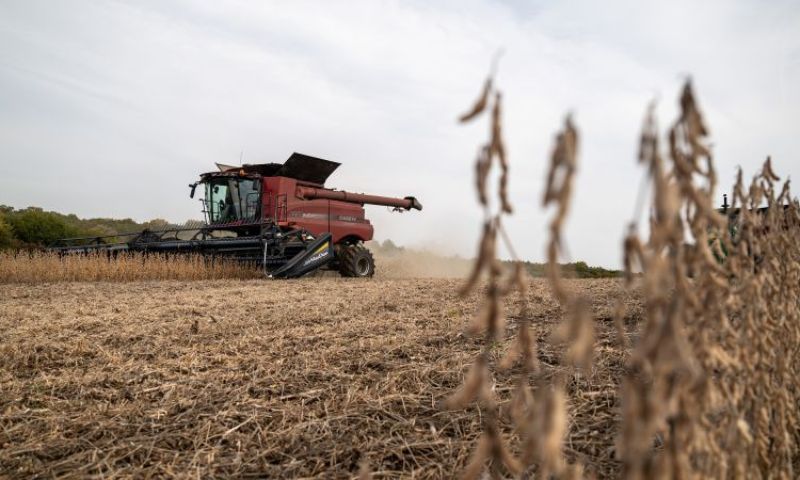
CHINA GROVE: Farmers across the United States are facing mounting pressure as fertiliser costs surge and supplies tighten following the ongoing conflict in the Middle East, raising concerns during a critical phase of the planting season.
In North Carolina, farmer Andy Corriher is preparing to plant corn and soybean crops but is grappling with delayed deliveries and sharply rising input costs. The disruption comes after tensions in the region led to the blockage of the Strait of Hormuz, a key global shipping route for fertiliser supplies.
“This time of year is when the majority of fertilizer is put out in this country,” Corriher said. “We got hit at the worst possible time, because we’re trying to buy fertilizer when it skyrockets and when the supply also gets cut.”
Since the conflict escalated, Corriher estimates that nitrogen fertiliser prices have increased by at least 40 percent, while urea prices have surged by around 50 percent at major ports. As a result, he has reduced usage by a third, raising fears about lower crop yields.
Prolonged disruption
Other farmers are experiencing similar challenges. Russell Hedrick, who farms up to 1,000 acres in North Carolina, said most of his fertiliser purchases were made after prices had already spiked. Limited storage capacity has prevented many growers from stocking up in advance.
He described the situation as forcing farmers to adapt rapidly, saying they have become “like Breaking Bad chemists with fertilizer, to get the most out of it.”
The rising costs have also drawn political attention, with President Donald Trump blaming “price gouging from the fertilizer monopoly” and pledging support for farmers. However, many growers say the impact has already been felt.
Derrick Austin, another North Carolina farmer, described recent developments as “a gut shot” and said securing fertiliser at earlier prices was crucial for his operations.
The broader agricultural sector has already been under strain, with declining incomes and high operating costs. Experts warn that while some farmers may weather this season, prolonged disruption could pose serious risks for future crops.
“This year, we just kind of got blindsided,” Hedrick said, reflecting the uncertainty facing farmers nationwide.