ISLAMABAD: United States has signaled a strategic shift from short-term aid to long-term collaboration with Pakistan, offering to help transform the country’s vast mineral reserves, including copper, gold, and rare earth resources, into industrial growth and skilled jobs.
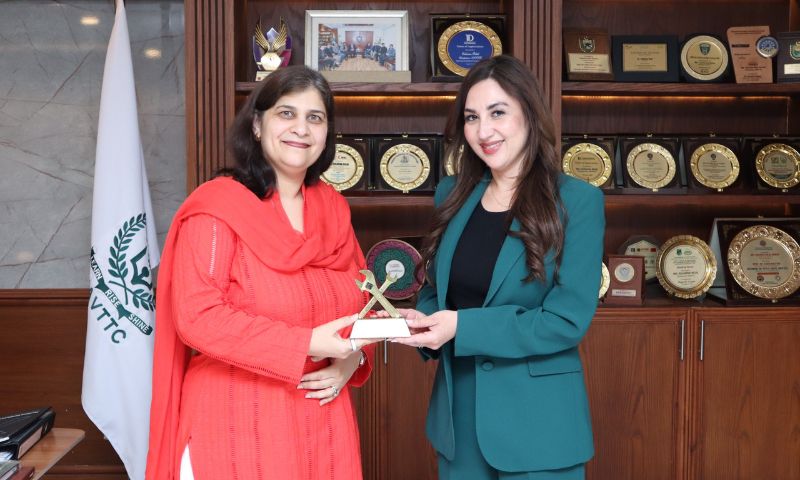
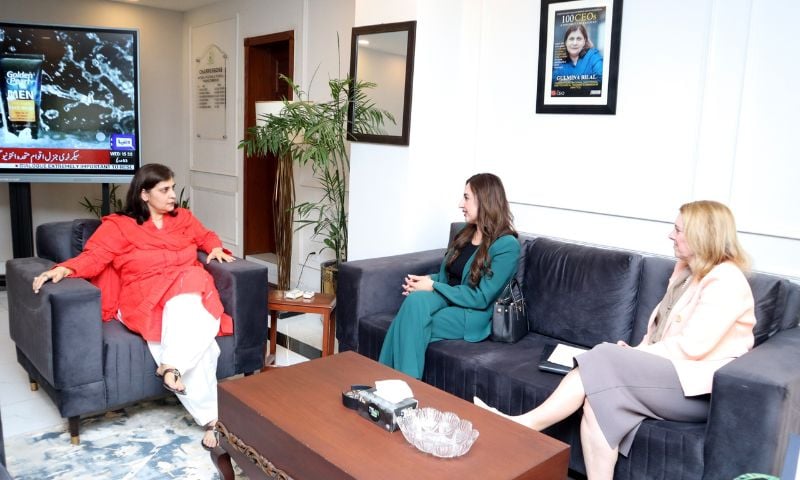
Chargé d’Affaires and Acting US Ambassador to Pakistan Natalie Baker made the pledge during a visit to the headquarters of the National Vocational and Technical Training Commission (NAVTTC) in Islamabad on Thursday.
Upon arrival, she was welcomed by Acting Chairperson Gulmina Bilal Ahmed and senior officials, then toured NAVTTC’s Centre of Excellence, where she reviewed industry-linked training models and international certification programmes.
New phase in mining cooperation
Baker said that following a recent visit by experts from the South Dakota School of Mines and Technology, cooperation in Pakistan’s mining and industrial workforce sectors was entering a new phase.
She emphasised that the partnership goes beyond mineral extraction to include skills development, advanced technology, safety systems, and institutional capacity building.
“The US is keen to support Pakistan in linking the mining sector with industrial development, skilled jobs, technology transfer, and long-term economic sustainability,” Baker stated. She noted that Pakistan possesses vast potential in copper, gold, critical minerals, industrial minerals, and rare earth resources.
Strategic alliances through workforce development
NAVTTC Chairperson Gulmina Bilal Ahmed added that Pakistan’s future competitiveness depends not only on education but also on connecting skills with industry, technology, and international markets.
“Workforce-based partnerships between countries are emerging as new strategic alliances,” she said, expressing Pakistan’s desire for its skilled workforce to benefit from advanced American technology and expertise.
Commitment to continued collaboration
Baker appreciated NAVTTC’s reform initiatives and stressed the importance of continued collaboration in technical education and emerging industrial sectors.
The visit underscores the growing recognition of skills development and workforce advancement as key pillars of economic cooperation and international engagement between Pakistan and the United States.