Key Points
- Legal experts warn attacks could violate international humanitarian law
- Conflict has already caused thousands of deaths and mass displacement
- Iran and regional countries brace for further escalation
- Oil prices rise as global markets react to instability
- No clear timeline given for end of hostilities
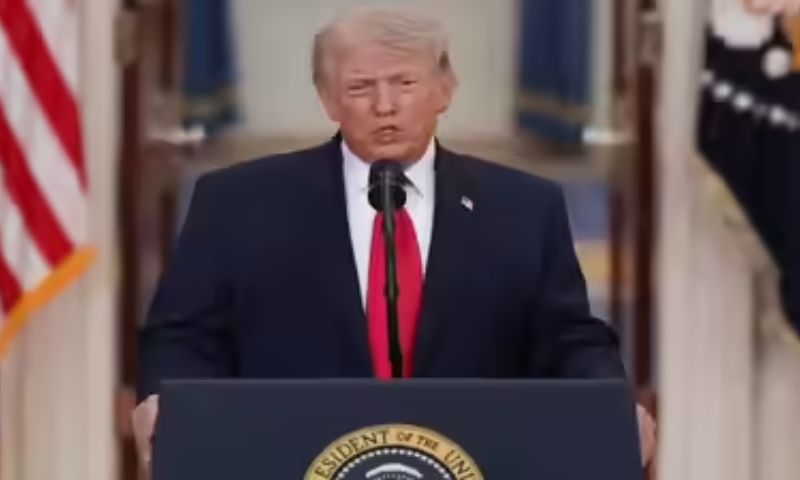
WASHINGTON: US President Donald Trump has intensified his rhetoric against Iran, warning that American forces could soon target critical infrastructure, including bridges and electric power facilities, in a significant escalation of the ongoing conflict.
In a late-night social media post, Trump claimed that the US military had yet to fully unleash its capabilities, stating that “bridges next, then electric power plants” would be potential targets. He added that Iran’s leadership “knows what has to be done” and urged swift compliance with Washington’s demands.
According to Reuters, the remarks follow a televised address in which Trump suggested that the war could broaden further if Iran fails to concede, hinting at possible attacks on the country’s energy and oil sectors. However, he did not provide a clear timeline for either escalation or resolution.
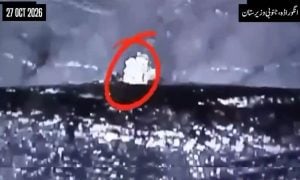
The conflict, which began on February 28 with coordinated US and Israeli strikes on Iran, has rapidly expanded. Tehran retaliated with attacks on Israel and Gulf states hosting US military bases, while subsequent operations in Iran and Lebanon have resulted in thousands of deaths and widespread displacement.
Reports from Iran’s Fars News Agency suggested that strategic bridges across the wider region — including in Saudi Arabia, the UAE, Jordan and Kuwait — could also be at risk following recent strikes on infrastructure targets.
Trump’s statements have drawn sharp criticism from legal experts. Dozens of international law scholars in the United States have signed an open letter warning that attacks on civilian infrastructure may constitute war crimes.
Under the 1949 Geneva Conventions, parties in a conflict are required to distinguish between military objectives and civilian objects, with explicit prohibitions against targeting facilities essential to civilian life.
Analysts warn that strikes on power grids and transport networks could have devastating humanitarian consequences, potentially crippling access to electricity, water, and emergency services for millions.
The escalating hostilities have also unsettled global markets, pushing oil prices higher and fuelling uncertainty. Trump’s shifting messaging on war aims and strategy has done little to reassure allies or calm fears of a prolonged and widening conflict, marking one of the most serious military confrontations involving the US since the 2003 Iraq invasion.