










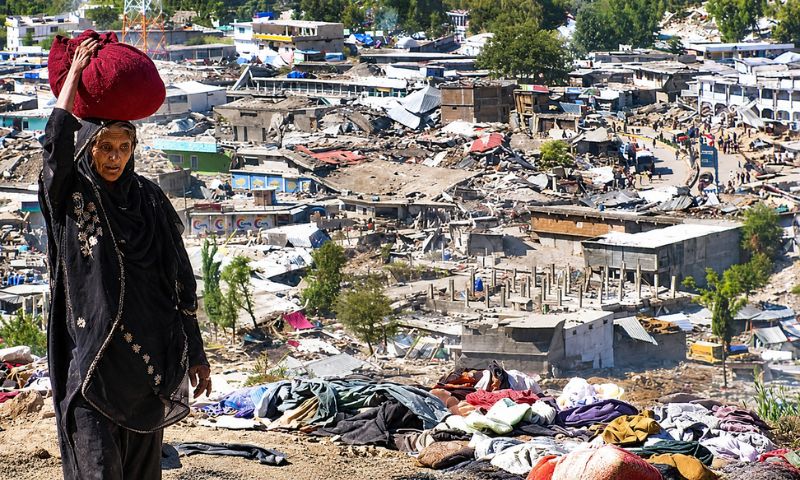
ISLAMABAD: Pakistan on Thursday observed the 21st National Resilience Day, commemorating the victims of the devastating earthquake that struck the country on October 8, 2005, and paying tribute to survivors, rescuers and communities who helped rebuild affected areas.
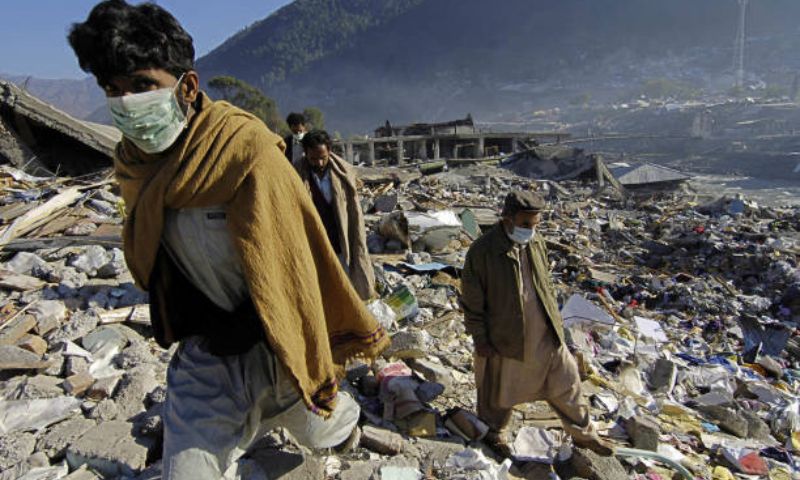
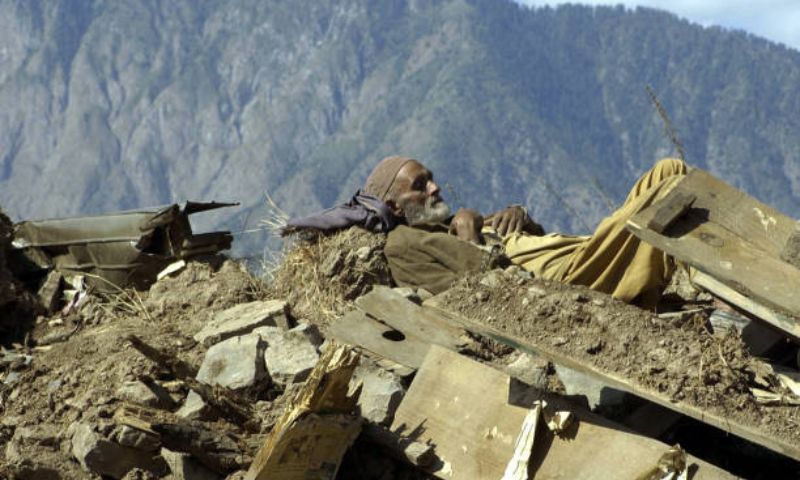
The earthquake caused widespread destruction in Azad Jammu and Kashmir, Khyber Pakhtunkhwa and other areas, leaving thousands of people dead and many communities devastated.
Prime Minister Shehbaz Sharif said the tragedy remained a painful memory for the nation, while praising the “courageous and compassionate collective response” shown by Pakistanis and institutions during the disaster.
He said the country had since faced repeated natural disasters, including floods, earthquakes, landslides, forest fires, pandemics and smog, and stressed the need to strengthen preparedness.
Remembering Victims
President Asif Ali Zardari said National Resilience Day was a solemn occasion to remember those who lost their lives and honour survivors who rebuilt their lives with courage and determination.
He thanked the international community, including Saudi Arabia, the United States, China, Türkiye, Iran, Japan and Cuba, for their solidarity and assistance following the 2005 earthquake.
Zardari also paid tribute to the national media, charitable organisations and volunteers who worked alongside public institutions to assist affected communities.
He said the most meaningful tribute to those who died was to turn the lessons of the disaster into measures that could better protect lives and communities in the future.
Lessons From Disaster
National Assembly Speaker Sardar Ayaz Sadiq said the earthquake remained an “unforgettable national tragedy”, with the loss of precious lives and widespread destruction leaving a lasting impact on the country.
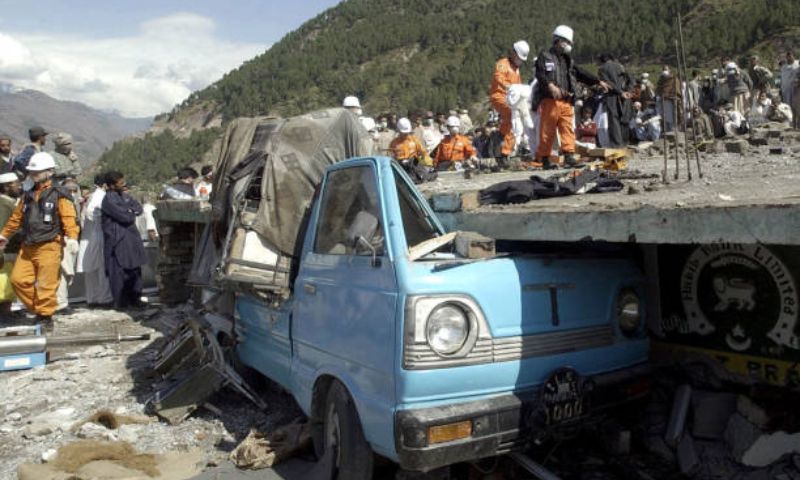
He praised the unity and compassion shown by Pakistanis following the disaster, saying people from across the country, relief organisations, volunteers, the armed forces and civil society took part in rescue and relief operations.
He particularly highlighted the role of the Pakistan Army in rescue and relief efforts and assistance to affected communities.
Sadiq said the experience of the 2005 earthquake demonstrated the importance of stronger preparedness, early warning systems, local emergency response arrangements, rescue capabilities and public awareness.
Deputy Speaker of the National Assembly Syed Ghulam Mustafa Shah also stressed the importance of national unity, cooperation and effective coordination between government institutions, experts and the public to reduce the impact of natural disasters.
Building Resilience
Prime Minister Shehbaz Sharif said Pakistan was among the countries highly vulnerable to climate change despite making a relatively small contribution to global greenhouse gas emissions.

He said climate resilience must be placed at the centre of development planning, including infrastructure, water and food security, urban planning, agriculture and livelihoods.
“The integration of climate information, satellite technology, geospatial data and scientific risk assessments” was strengthening Pakistan’s ability to anticipate risks, support timely decisions and reduce the impact of disasters, he said.
President Zardari also highlighted the role of advanced technologies, including satellite systems, predictive modelling, artificial intelligence and data analytics, in improving early warning systems and disaster preparedness.
He referred to the National Disaster Management Authority’s Next Generation Technology initiative and the Global Resilience Hub as components of Pakistan’s evolving disaster-resilience framework.
From Reaction To Prevention
Shehbaz Sharif said Pakistan needed to move from responding to disasters after they occurred towards anticipating risks before they became emergencies.
“Today, resilience is no longer a choice; it is an imperative,” he said, calling for climate-resilient development to be integrated into national priorities.
The prime minister said the government was working through the National Disaster Management Authority to improve early warning systems and institutional responses through advanced technology and data-based analysis.
On National Resilience Day, national leaders called for the lessons of the 2005 earthquake to be translated into stronger preparedness, better coordination and safer communities across Pakistan.













