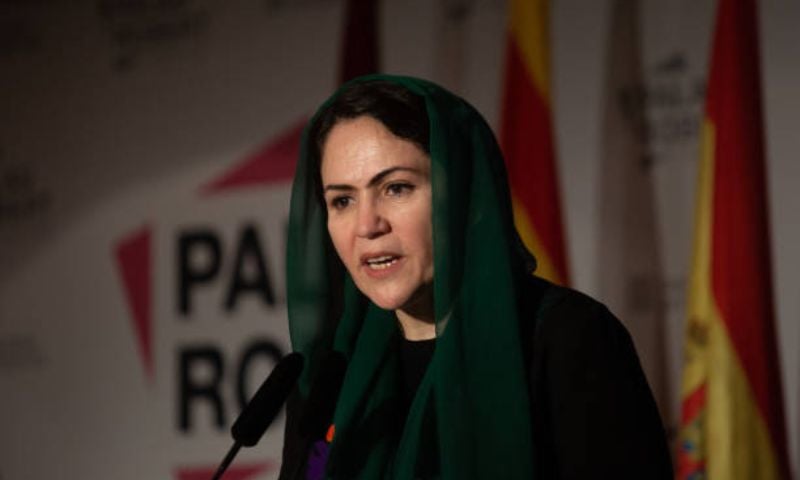



GENEVA: Former Afghan parliamentarian Fawzia Koofi has accused the Taliban of using religion and culture to justify restrictions on women and girls, arguing that the policies amount to an abuse of religious belief to exclude them from public life.
Speaking at a meeting in Geneva, Koofi said the Taliban had deprived women and girls of access to education, employment and participation in various areas of society while presenting the restrictions as religious and cultural requirements.
Fawzia Koofi says the Taliban told her during negotiations that they’d allow women to pursue education, even PhDs—but they lied. The Taliban don’t believe in coexistence. Koofi is a strong voice for Afghan women and a member of the negotiating team. pic.twitter.com/irZ2EOGwlB
— Habib Khan (@HabibKhanT) September 6, 2024
“What the Taliban are doing is an abuse of our religion,” Koofi said, arguing that Islam upholds education and human dignity and cannot provide a justification for depriving women of their basic rights.
Fawzia Koofi is a prominent Afghan politician, author and women’s rights advocate who made history as Afghanistan’s first female deputy speaker of parliament.
She was also among the Afghan women who took part in peace talks with the Taliban in Doha in 2020.
After the Taliban returned to power in 2021, Koofi went into exile following repeated threats to her life and continues to campaign internationally for the rights and education of Afghan women and girls.
Women Face Repression
Koofi said Afghanistan’s crisis extended beyond human rights violations, pointing to widespread repression, poverty, a lack of political legitimacy and the absence of a democratic system as fundamental problems facing the country.
She warned that declining international attention to Afghanistan must not allow the situation of women and girls to fade from the global agenda.
According to Koofi, countries around the world continue to bear responsibility for addressing violations of women’s rights in Afghanistan and should maintain pressure on those responsible.
Call For International Action
Koofi called for stronger political and legal pressure on the Taliban and urged the international community to use international mechanisms to hold perpetrators of human rights violations accountable.
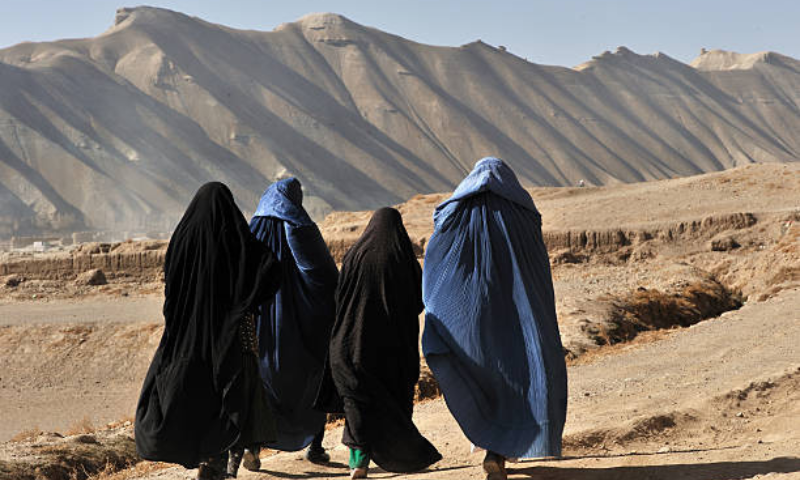
She also called for greater support for Afghan women and girls facing restrictions under Taliban rule.
Condemnations alone, she said, were insufficient. The international community needed to pursue practical measures, political pressure and legal action aimed at changing the situation.
Koofi argued that religious beliefs should not be turned into instruments for restricting or suppressing women and girls, urging the international community to ensure Afghanistan’s women remain a central part of international efforts concerning the country.