KABUL: Sami Sadat, a former commander of Afghanistan’s national army and head of the United Front of Afghanistan, has said that the killings of 184 former Afghan security personnel have been documented over the past three months under the Taliban regime’s rule.
In a post on X, Sadat said, “In the past three months alone, we have documented more than 184 former soldiers killed, many subjected to horrific torture.”
He warned that former members of Afghanistan’s security forces who are deported from Iran and other nations face an even greater risk of being targeted upon their return to the country.
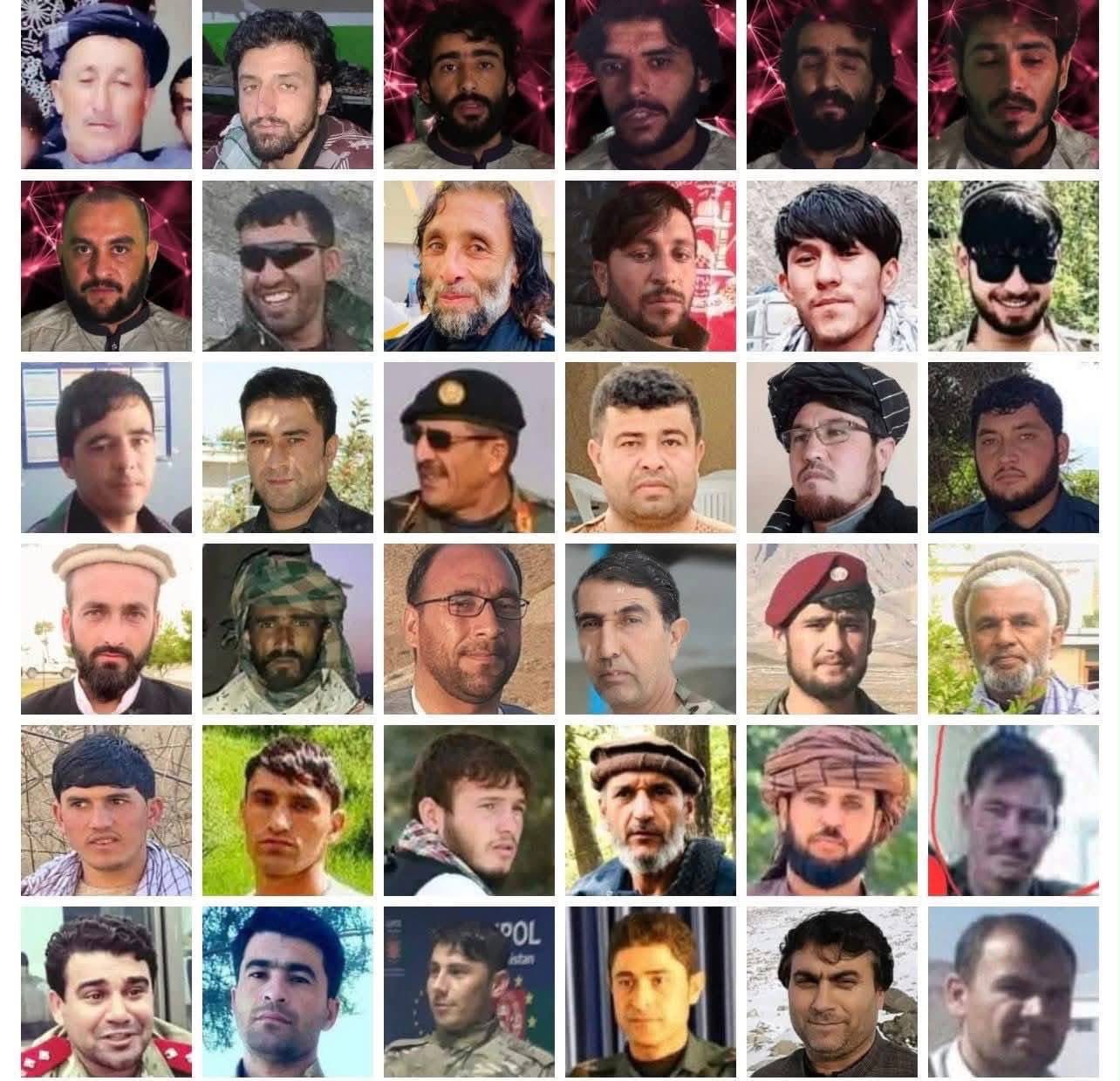
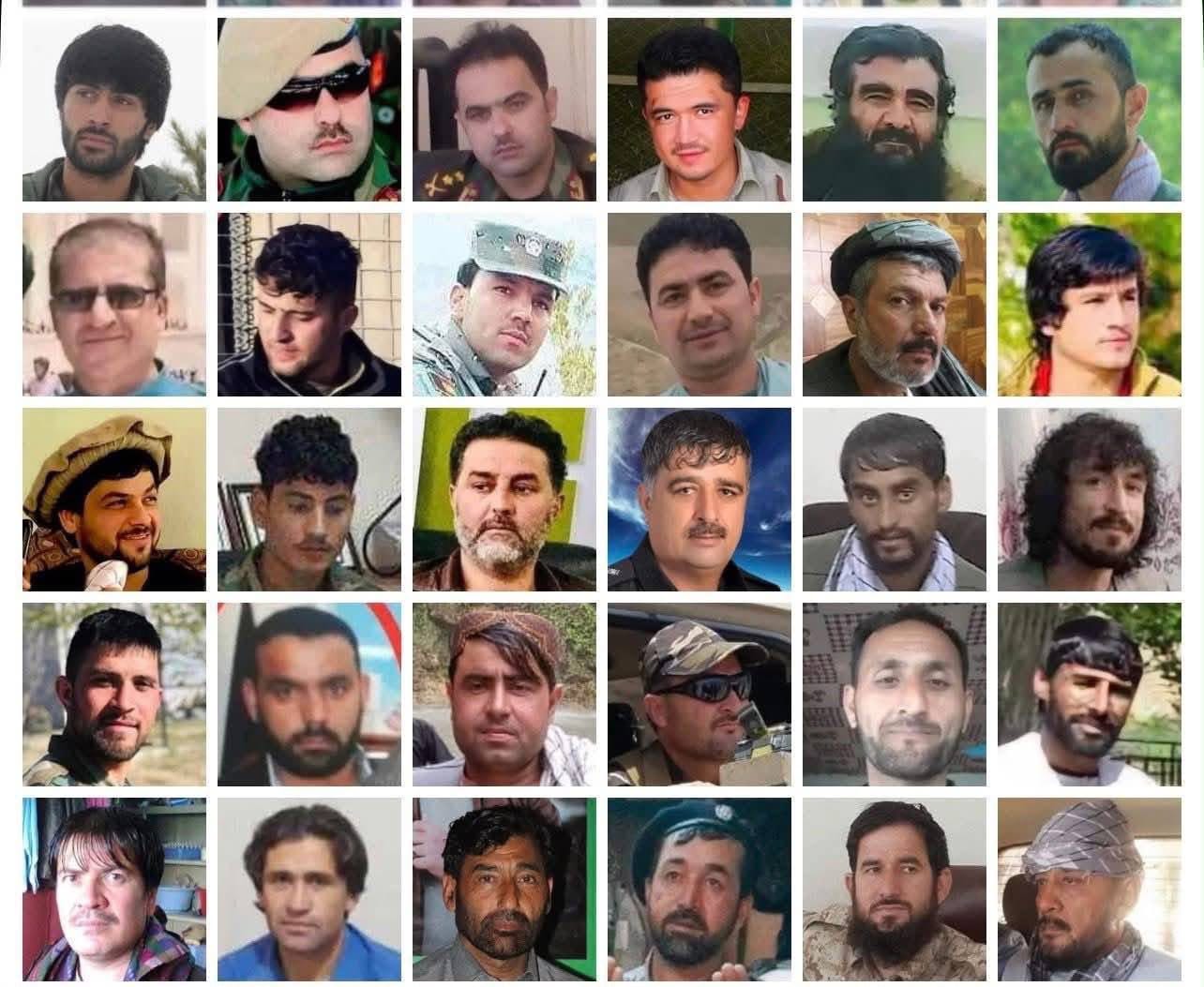
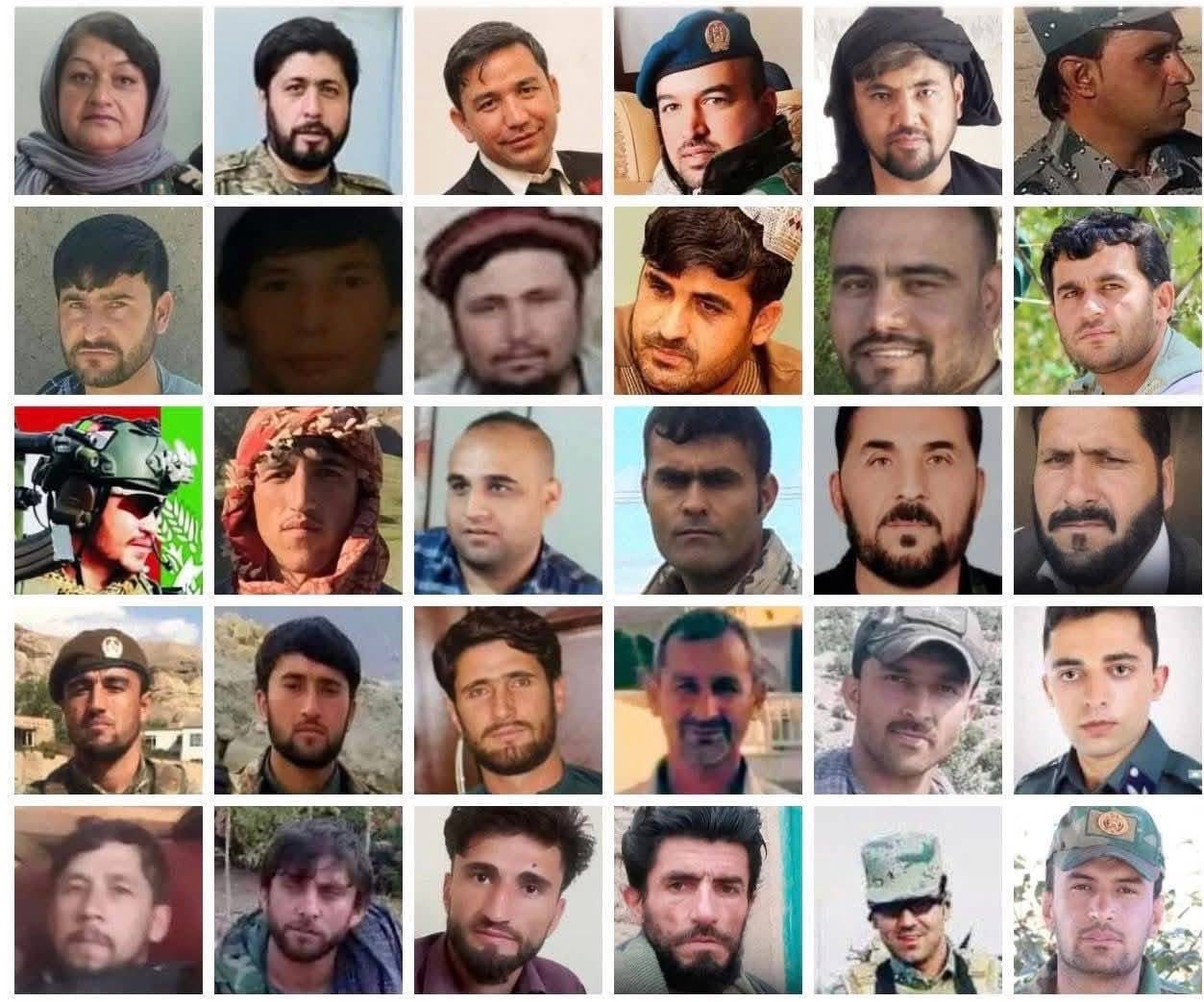
These are the faces of former Afghan National Defense and Security Forces personnel who were killed after the Taliban seized control of Afghanistan.
In the past three months alone, we have documented more than 184 former soldiers killed, many subjected to horrific torture. The… pic.twitter.com/hRzFVHBmMn
— Sami Sadat (@SayedSamiSadat) July 20, 2026
Taliban regime must be held accountable
Sadat also called for accountability, saying those responsible for the killings, torture, and other abuses against former Afghan security personnel “must be held accountable under the law.” He added that “no regime can secure its future through fear and brutality.”
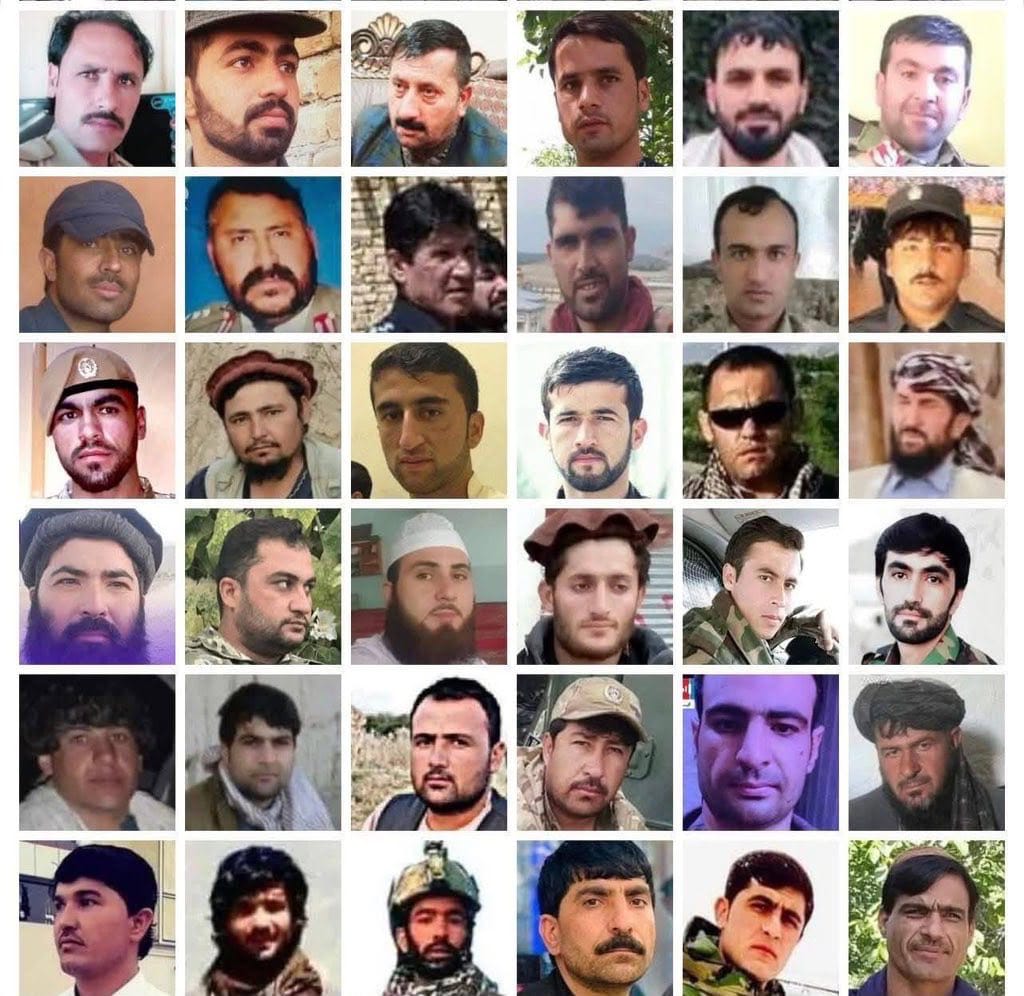
Alongside his statement, Sadat shared photographs of former security personnel and appealed to those who continue to support the Taliban, writing: “Look at these faces and ask yourself: what if this were your father, your mother, your brother, your sister, your son, or your daughter?”
There are no comprehensive official figures on the number of former Afghan army, police, and intelligence personnel killed since the Taliban returned to power in August 2021.
UN reports allegations of reprisals against former government officials
However, the United Nations and international human rights organisations have repeatedly reported allegations of reprisals against former government officials and security personnel, including extrajudicial killings, arbitrary arrests, enforced disappearances, and torture.
Reports of such incidents continue to emerge from different parts of Afghanistan. On July 20, a former member of the Khost Protection Force (KPF), identified as Nangyali, was shot dead by unidentified gunmen in Khost city shortly after returning from the United States, according to local sources.
Although the identity and motive of the attackers remain unknown, the killing has heightened concerns over the safety of former Afghan security personnel, particularly those returning from abroad.
The Taliban have denied involvement in the killings and insist they remain committed to the general amnesty announced by their supreme leader following their takeover.
Despite these assurances, reports of killings, arbitrary arrests, and enforced disappearances involving former members of the Afghan security forces continue to surface, raising ongoing concerns among human rights organisations about accountability and the protection of those associated with the former republic.
General Sami Sadat announces armed campaign
Earlier on Sunday, former Afghan army general Sami Sadat had announced the start of military operations by the Afghanistan United Front, arguing that armed resistance, political mobilisation and public pressure are weakening the group’s control over the country.
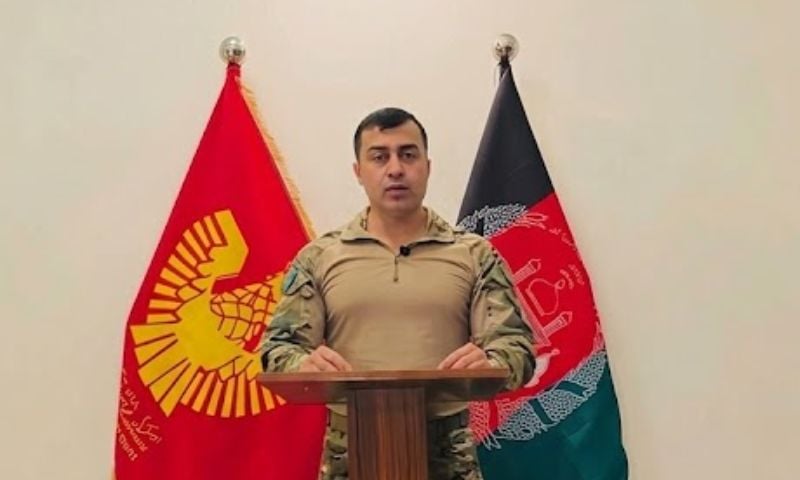
Appearing in an Afghan National Army uniform and holding the former republic’s tricolour flag, Sadat said the front had authorised operations against Taliban fighters, bases and senior leaders from 5am Kabul time.
Chairman of the AUF @SayedSamiSadat Message ⬇️ pic.twitter.com/RcvPA4knwc
— Afghanistan United Front (@afgunitedfront) August 1, 2026
“The first phase of military operations targeting Taliban members, bases and leadership has begun; subsequent phases will follow,” he said in a video message.
Also Read: Why Taliban Is Losing Control Over Afghanistan?
Sadat described the campaign as a “war of liberation”, claiming that negotiations with the Taliban had failed and that the international community had ignored appeals from Afghan civil society for almost five years.
He said Afghanistan’s freedom would require a combination of military action and political, diplomatic and public efforts.
In his latest quarterly report to the UN Security Council, Secretary-General António Guterres said the United Nations documented at least five killings, 20 cases of arbitrary arrest and detention, and eight cases of torture or ill-treatment involving former Afghan security personnel between January and March 2026.
Human Rights Watch and other rights organisations have also warned that many such incidents—particularly in rural areas—may never be reported because families fear retaliation, suggesting the true scale of abuses could be significantly higher.