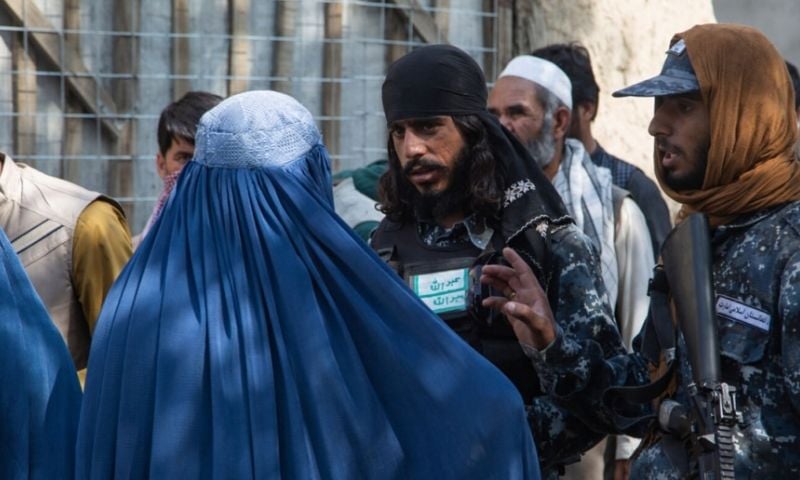
KABUL: Taliban authorities have further tightened restrictions on women in Afghanistan through a new marriage code that rights groups say increases the risks of child and forced marriage while making it significantly harder for women to leave abusive relationships.
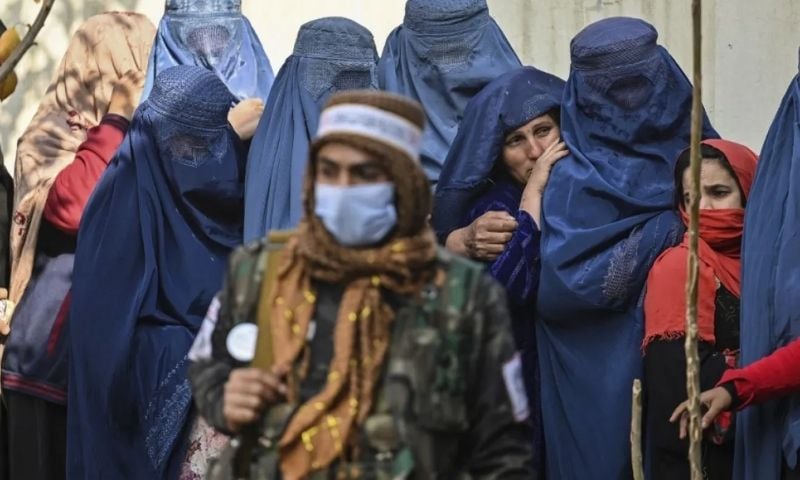
The Taliban-run Ministry of Justice published Decree No. 18, the Code on Judicial Separation of Spouses, in May. The rules allow male relatives to arrange marriages for girls once they reach puberty and provide that silence may be treated as consent.
Taliban Marriage Rules Raise Alarm
The decree also places major restrictions on divorce. Women seeking separation may depend on their husband’s consent, a judge’s discretion, witness testimony or decisions involving male relatives.
The UN human rights office warned in June that the decree further erodes the rights of Afghan women and girls and could expose them to greater risks of forced marriage and domestic abuse.
ALSO READ: Why Education in Afghanistan is Dangerous, Life-Threatening Adventure for Girls?
The measures come five years after the Taliban returned to power in August 2021. During that period, women and girls have faced sweeping restrictions affecting education, employment and participation in public life.
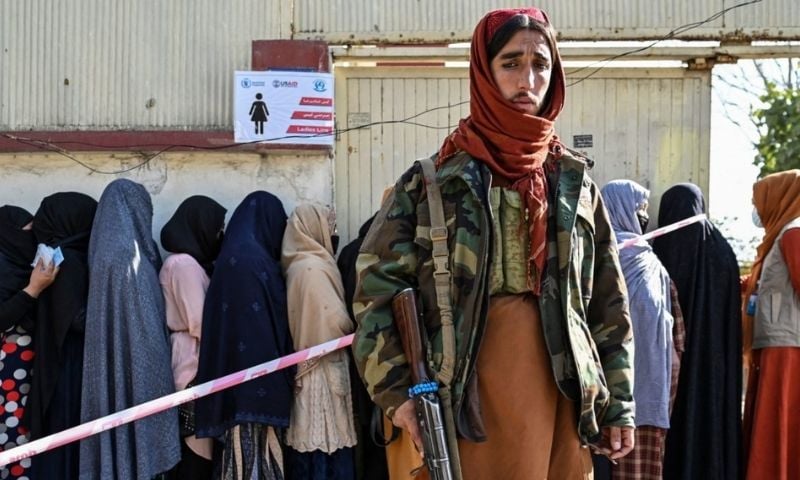
Women remain barred from universities, while girls cannot attend formal secondary schools beyond Grade Six. Many women have also been excluded from large sections of the workforce.
Pressure Grows Over Women’s Rights
The latest restrictions have renewed debate over international engagement with Afghanistan.
Rights advocates argue that any future diplomatic engagement with the Taliban must keep women’s rights at its centre, warning that economic, trade and humanitarian discussions alone are unlikely to reverse Afghanistan’s deepening restrictions on women.