
ISLAMABAD: As millions of Pakistanis prepare to celebrate Eid-ul-Adha on May 27, National Disaster Management Authority (NDMA) has delivered a sobering warning: the day of prayer and festivity will also be a day of perilous heat.
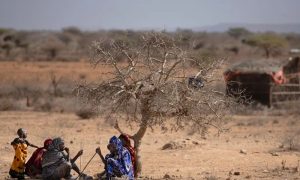
With mercury expected to soar between 40°C and 48°C across much of the country, the faithful gathering for Eid prayers in open grounds from Lahore to Jacobabad will face intense heat stress. But the danger does not end with sunstroke.
In the north, rapidly melting glaciers threaten flash floods and landslides, turning Eid celebrations into a race against time for emergency responders. The NDMA’s nationwide weather outlook for May 26 to 31 leaves little room for complacency.
Pakistan Weather Update (May 26 – May 28, 2026) ⚠️ The National Weather Forecasting Centre (NWFC) has issued a Alert! Temperatures are expected to soar 4°C to 6°C ABOVE NORMAL, reaching a grueling 47°C to 50°C across Sindh, Southern/Central Punjab, and parts of Balochistan pic.twitter.com/6gSB8RmKzC
— Pak Met Department محکمہ موسمیات (@pmdgov) May 26, 2026
Dual Threat: Scorching Heat and Melting Glaciers
The National Emergencies Operation Center (NEOC) has warned that rising temperatures will trigger two simultaneous crises.
Southern Punjab, Sindh, and Balochistan will remain under intense heatwave conditions, while Gilgit-Baltistan, upper Khyber Pakhtunkhwa, and Azad Jammu and Kashmir face accelerated glacial melting, increasing the risk of Glacial Lake Outburst Floods (GLOFs) and landslides.
From Wednesday to Friday, a weather system is expected to bring partly cloudy skies along with gusty winds, thunderstorms, and intermittent rain at isolated places across major tourist spots. If you are traveling to Murree, Galliyat, Swat, Kalam, Naran, Kaghan, Chitral, pic.twitter.com/KqbCCxP5ZI
— Pak Met Department محکمہ موسمیات (@pmdgov) May 26, 2026
Key vulnerable areas for landslides include:
Hunza, Nagar, Gilgit, Chilas, Astore, Shigar
Chitral, Kalam, Upper Kohistan, parts of Azad Kashmir
Roads at risk of blockage:
Karakoram Highway, Shigar Valley Road, Skardu Road, Deosai Road
Highly sensitive zones for connectivity disruption:
Shimshal, Attabad Lake, Karimabad, Gulmit, Shishkat Bala, Passu
Flash Flood Warnings and Rising River Flows
Due to rapidly melting glaciers, flood-like situations may emerge in Darkot, Lasht, Reshun, Booni, Bad Swat, Shisper, Golgin, Hanarchi, Roshan, and Kumrat. Mountain streams and rivers in Hunza, Ghizer, Diamer, Astore, Ghanche, Shigar, Chitral, Dir, Swat, and Kohistan could witness unusually high water flows, posing dangers to communities and travelers.
Emergency Measures and Public Advisories
The NDMA confirmed that provincial disaster management authorities have initiated anticipatory actions, including:
Public awareness campaigns on heatwave safety, Emergency response teams placed on standby, Cooling centers established in major cities, and Medical preparedness strengthened nationwide.
In an unusual but critical advisory, the NDMA recommended modifications to uniforms and dress codes during the heatwave, urging light-colored and loose-fitting clothing to reduce heat absorption and improve ventilation.
Safety Guidance for Citizens
The NDMA has urged the public to:
Avoid unnecessary travel, especially to mountainous regions
Stay alert to risks of landslides and road closures
Monitor weather updates closely
Residents and tourists in vulnerable northern areas have been specifically advised to remain cautious as rising temperatures continue to destabilize mountain slopes and glacial lakes.