SINGAPORE: At least two tankers sanctioned by the United States have transited or approached the Strait of Hormuz despite Washington’s recently imposed naval blockade, according to multiple shipping data sources, raising questions over the effectiveness and enforcement of the move.
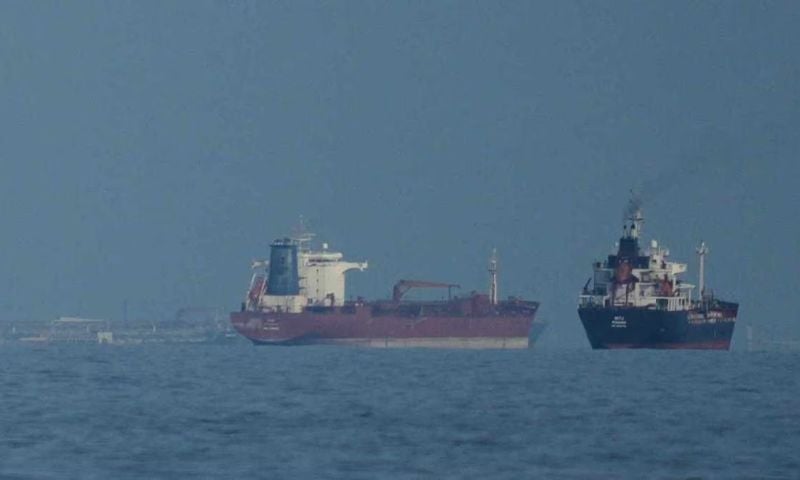
Data from maritime intelligence platforms including LSEG, MarineTraffic and Kpler indicates that the Chinese-owned tanker Rich Starry successfully navigated through the critical waterway on Tuesday, becoming the first known vessel to exit the Gulf since the blockade came into force late Monday.
The medium-range tanker, carrying approximately 250,000 barrels of methanol, had loaded its cargo at the UAE port of Hamriyah prior to its passage. The vessel, along with its owner Shanghai Xuanrun Shipping Co. Ltd., is under US sanctions for alleged involvement in trade linked to Iran. The ship is reported to have a Chinese crew on board.
According to Reuters, in a parallel development, another US-sanctioned vessel, Murlikishan, was also recorded heading towards the Strait on Tuesday. According to Kpler data, the empty handysize tanker is expected to load fuel oil in Iraq later this week. The vessel, previously known as MKA, has a history of transporting both Russian and Iranian oil.
The movement of these vessels underscores the complexity of enforcing maritime restrictions in one of the world’s most vital transit routes. The Strait of Hormuz, through which a significant portion of global energy supplies passes, remains a focal point of geopolitical tension.
The US blockade, announced by its Central Command, aims to curb Iran’s oil exports amid ongoing disputes over its nuclear programme and regional activities.
However, the continued passage of sanctioned ships suggests potential gaps in monitoring or a cautious approach to direct interdiction, likely to avoid escalation in an already volatile region.
Analysts warn that any attempt to physically halt vessels could trigger broader confrontation, particularly given the presence of multiple international stakeholders operating in the Gulf.