


Key Points
- Tanker Al Areesh bound for Port Qasim.
- First QatarEnergy transit since July 11.
- Arrival in Pakistan expected on July 31.
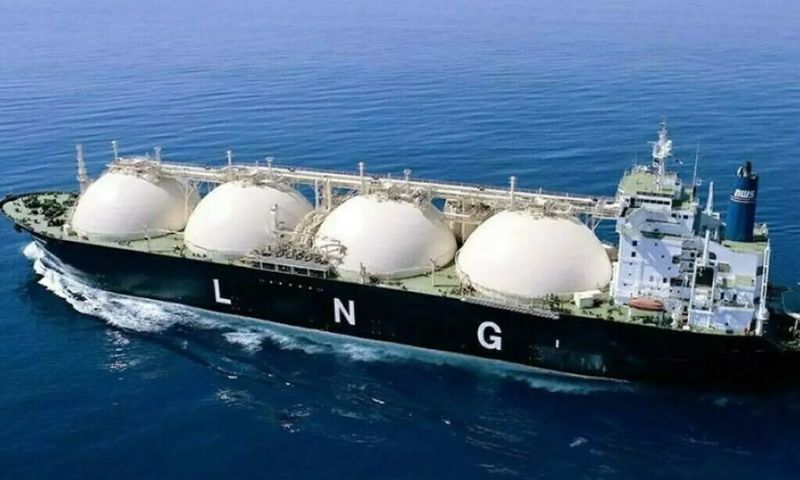
ISLAMABAD: A QatarEnergy-controlled liquefied natural gas (LNG) tanker has exited the Strait of Hormuz and is heading to Pakistan, the first in three weeks to cross the strategic waterway amid lingering regional security concerns.
According to ship-tracking data from the London Stock Exchange Group (LSEG), the vessel, Al Areesh, departed Qatar’s Ras Laffan export terminal earlier this month and is currently en route to Port Qasim, with an estimated arrival date of July 31.
The transit represents the first QatarEnergy-controlled LNG tanker to pass through the Strait of Hormuz since July 11, according to Reuters.
The traffic resumption signs in the Strait of Hormuz emerge after weeks of disruption following an attack on the LNG carrier Al Rekayyat in early July.
The attack had heightened concerns over the security of commercial shipping in the waterway. The incident prompted many operators to suspend or obscure vessel movements through the strait, a route that handles a substantial share of global oil and gas trade, according to Energy Connects.
The Strait of Hormuz remains one of the world’s most strategically important energy corridors, linking Arabian Gulf producers to international markets.
According to the International Energy Agency, nearly one-fifth of global LNG supplies transit the passage.
South Asian importers, including Pakistan, are among the most exposed to disruptions. Bangladesh, India, and Pakistan sourced almost two-thirds of their LNG imports transiting through Hormuz in 2025, according to the International Energy Agency (IEA).
The movement of Al Areesh could provide some reassurance to energy markets after months of uncertainty stemming from the regional conflict and shipping disruptions.
Qatar, one of the world’s largest LNG exporters, had previously declared force majeure on several supply contracts and increased purchases of US LNG cargoes to meet commitments to Asian customers during the interruption.
Data from commodities analytics firms Kpler and LSEG indicate a modest recovery in shipping activity through the Strait of Hormuz.
Twelve commodity vessels were recorded transiting the waterway on July 29, compared with significantly lower volumes in previous weeks, suggesting that some operators are cautiously returning to established routes.
For Pakistan, the arrival of the cargo is particularly significant given the country’s dependence on imported LNG for electricity generation and industrial consumption.
Any sustained normalisation of Qatari shipments could help ease supply concerns and stabilise fuel procurement planning in the months ahead.
However, analysts caution that shipping conditions in the region remain fragile.
Traffic through both the Strait of Hormuz and the Bab el-Mandeb Strait continues to face elevated security risks.
The vessel operators are closely monitoring developments before fully restoring normal schedules.
The transit of Al Areesh is therefore being watched not only as a delivery to Pakistan, but also as an indicator of confidence returning to Gulf energy supply chains.