Key Points
- Resistance groups report gains in northeastern province
- Fresh violence highlights ongoing security challenges
ISLAMABAD: Afghanistan’s Taliban administration has warned that its suicide bombers are prepared to defend the country’s ruling authorities as clashes with armed resistance groups continue in the northeastern province of Badakhshan, underscoring persistent instability nearly five years after the group returned to power.
Taliban spokesman Zabihullah Mujahid said the movement’s “fedayeen,” or suicide bombers, remained ready to make additional sacrifices to protect the government established after the Taliban’s takeover of Kabul in August 2021.
“Our country was liberated through sacrifices, and we are ready to make twice as many sacrifices to protect it,” Mujahid said in remarks carried by Afghan media outlets.
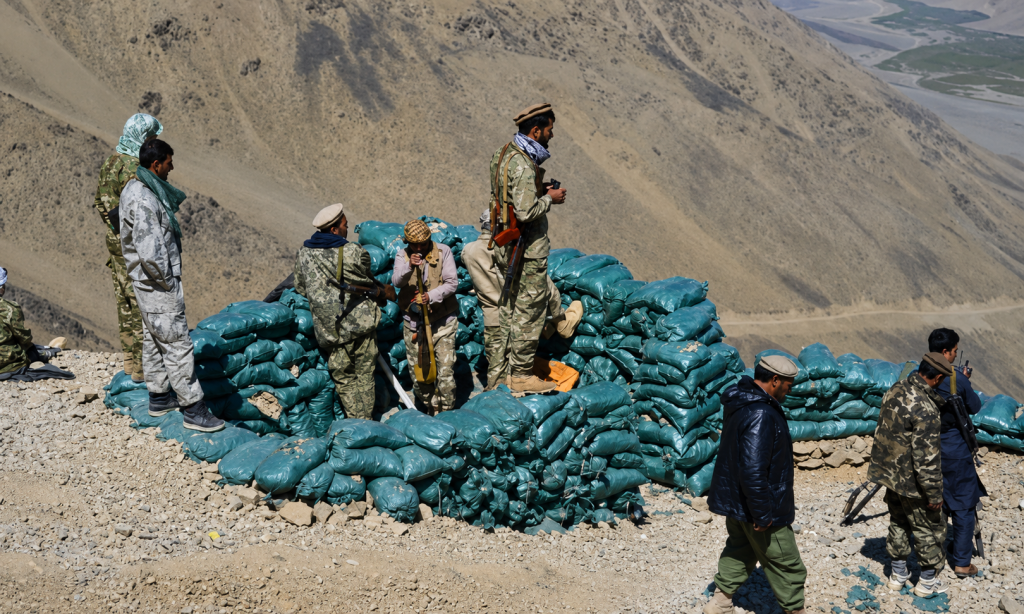
The comments came as fighting entered its second week in parts of Badakhshan, a strategically important province bordering Tajikistan, China and Pakistan.
The mountainous region has long been viewed as a difficult area for central authorities to control, and it has emerged as a focal point for anti-Taliban resistance activity in recent years.
The Afghanistan Freedom Front (AFF), one of the armed groups opposing Taliban rule, has claimed responsibility for attacks on Taliban positions in the Zebak district.
The group said it had captured several checkpoints and inflicted casualties on Taliban fighters, although these claims could not be independently verified.
The renewed clashes are the latest sign of continued resistance to the rule despite the movement’s efforts to project an image of nationwide stability since regaining power following the withdrawal of U.S.-led forces.
Badakhshan has witnessed intermittent unrest over the past several years, with both the Afghanistan Freedom Front and the National Resistance Front carrying out attacks against the regime’s targets in the country’s north.
Analysts say the province’s rugged terrain and proximity to international borders make it particularly challenging from a security perspective.
The latest violence also follows the recent killing of Zabihullah Amiri, the Afghan interim government’s director of information and culture in Badakhshan, in a rare targeted attack near the provincial capital of Faizabad.
Taliban authorities said one attacker was killed and another detained following the incident.
Although large-scale conflict in Afghanistan has declined since 2021, sporadic attacks against ruling regime officials and security personnel continue to occur.
Several senior figures have been targeted in recent years, including Refugee Minister Khalil Haqqani, who was killed in an attack in Kabul in 2024.
The United Nations has repeatedly warned that Afghanistan continues to face significant humanitarian and security challenges despite the absence of a conventional civil war.
Recent UN assessments have documented civilian casualties linked to armed clashes and other security incidents across the country.
The latest developments in Badakhshan suggest that armed opposition groups remain active in northern Afghanistan, even as the regime insists it maintains complete control over the country.