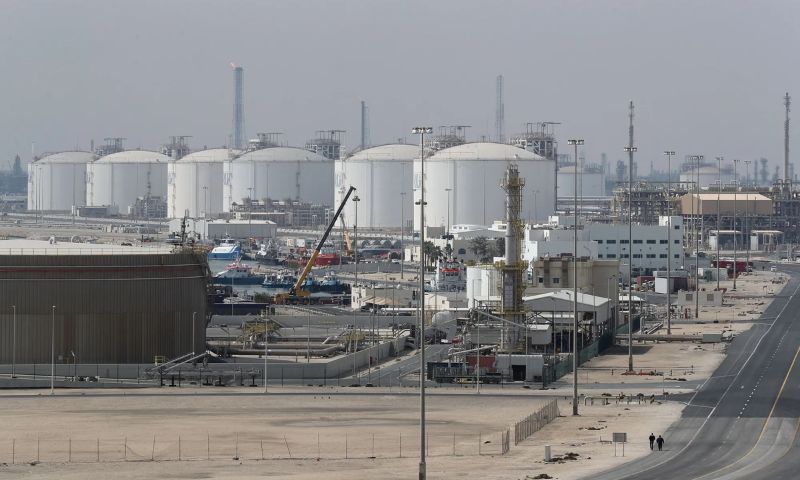
DOHA: Qatar has ordered Iran’s military and security attaches, along with their staff, to leave the country within 24 hours after a missile strike hit its main natural gas facility, in a dramatic escalation of Gulf tensions.
The Qatari foreign ministry declared the officials persona non grata, instructing them to depart the country immediately following what it described as a serious breach of national security.
Qatar’s defence ministry said the country was targeted by Iranian ballistic missiles that struck Ras Laffan Industrial City on the north coast, causing damage to critical energy infrastructure.
بيان | قطر تدين بأشد العبارات استهداف إيران لمنشآت الطاقة في السعودية والإمارات
الدوحة | 19 مارس 2026
تدين دولة قطر بأشد العبارات الاستهداف الإيراني لمنشآت الطاقة في المملكة العربية السعودية الشقيقة، ودولة الإمارات العربية المتحدة الشقيقة، خلال اليومين الماضيين، وتعدًه انتهاكاً… pic.twitter.com/LRmfiaHVHs
— الخارجية القطرية (@MofaQatar_AR) March 18, 2026
Authorities earlier warned that the attack posed a “direct threat” to national security, while the state energy company confirmed that the strike triggered a fire and caused “extensive damage” at the facility—one of the largest gas processing sites in the world.
Iranian state media later reported a second missile strike on the same site, claiming the facility was hit again and set ablaze.
The attack comes amid a widening regional conflict, with Tehran warning of further strikes on energy infrastructure across the Gulf following what it says were attacks on its own facilities, including the South Pars gas field.
The Islamic Revolutionary Guard Corps warned that any further targeting of Iran’s energy sector would trigger sustained retaliation against the infrastructure of its adversaries and their allies.
Meanwhile, Saudi Arabia said it intercepted drones targeting energy facilities in its eastern region, while debris from a ballistic missile fell near a refinery south of Riyadh.
Global energy markets reacted sharply, with oil prices surging more than three percent as disruptions in the Strait of Hormuz and fears of broader supply shocks rattled investors.
World leaders called for restraint, with French President Emmanuel Macron urging a halt to strikes on civilian and energy infrastructure after consultations with US President Donald Trump and Qatar’s emir.
The escalation follows Israel’s killing of senior Iranian officials, including intelligence chief Esmail Khatib, prompting vows of retaliation from Tehran’s leadership.
The conflict, now in its third week, has spread across multiple fronts in the Middle East, raising fears of a prolonged and wider war impacting global energy security.