
NEW DELHI: Across India’s major cities, a growing number of families are abandoning packaged spices, milk and processed food products amid rising fears over food adulteration and weak enforcement of food safety laws.
In kitchens across urban India, consumers are increasingly grinding spices at home, buying produce directly from farms and paying premium prices for organic food as confidence in market products declines.
Government figures show that between 2022 and 2025, nearly one in six food samples tested by authorities failed to meet safety standards, while more than 1,100 food business licences were cancelled during the same period.
Experts say violations range from poor hygiene and mislabelling to contamination and deliberate adulteration involving synthetic dyes, chemicals and low-quality ingredients.
Rising fears over adulterated food
Food safety concerns intensified after several recent raids uncovered adulterated products in different parts of India.
Last month, food safety officials in Hyderabad seized more than 3,000 kilograms of tea powder mixed with synthetic colours, jaggery juice and expired tea to enhance appearance and increase profits.
Doctors warn that the long-term effects of consuming contaminated food may include liver and kidney damage, hormonal disorders and chronic illnesses.
Unlike food poisoning, which causes immediate sickness, experts say repeated exposure to unsafe ingredients can quietly affect health over many years.
Enforcement struggles in massive food market
India’s Food Safety and Standards Authority (FSSAI), established under a 2006 law, regulates food production, transportation and sales across the country.
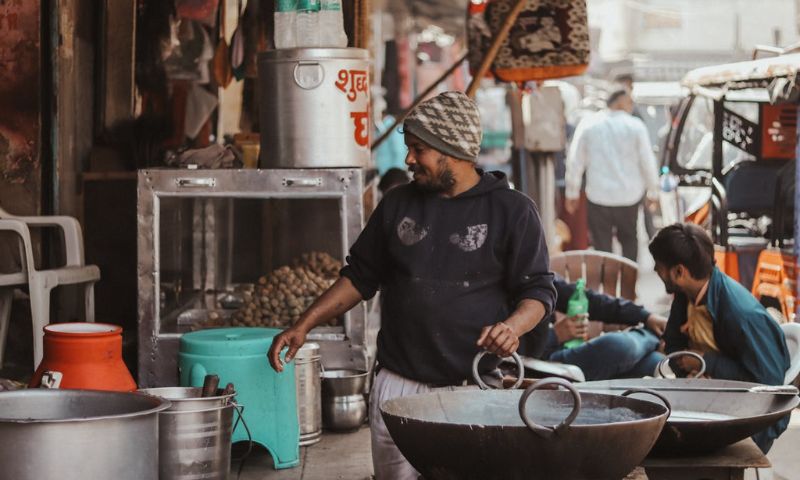
However, experts say the system struggles to monitor India’s vast informal food economy, which includes millions of roadside vendors, small eateries and unregistered food suppliers.
Food safety specialist Sanjay Indani said enforcement capacity remains severely limited, with only a few hundred food safety officers overseeing thousands of businesses in some states.
Analysts also point to weak supply-chain tracking systems, making it difficult for authorities to trace contaminated products once they enter the market.
Consumers turn to costly alternatives
As trust in food quality declines, many urban consumers are shifting towards premium brands and organic products despite higher prices.
India’s organic food market is projected to reach more than $10 billion by 2033 as consumers increasingly prioritise safety and traceability.
Experts say social media has amplified public anxiety by rapidly spreading reports and videos related to food contamination.
Former FSSAI chief Pawan Agarwal said growing consumer awareness could ultimately pressure businesses to improve standards and transparency across the food industry.