Key Points
- Pakistan offering discounted electricity to use idle generation capacity
- 2,164 GWh additional power consumed in three months
- Rs 20.83 billion in total savings for industry and agriculture
- Industrial tariff categories (B1–B4) reflect size and consumption levels
- Policy aims to lure back users from private generation to national grid
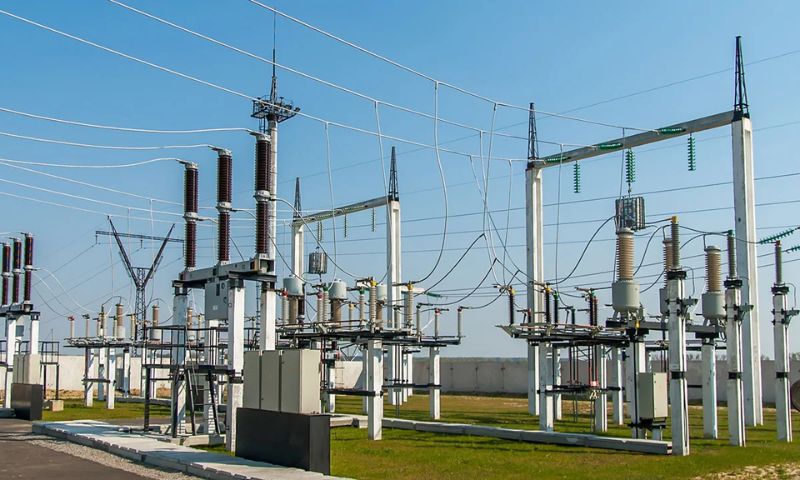
ISLAMABAD: Pakistan’s government has reported a sharp rise in electricity consumption following the rollout of a discounted power scheme designed to utilise excess generation capacity and support economic activity, according to the energy ministry.
Under what officials call a “Surplus Power Package”, the government offers electricity at a reduced rate to industrial and agricultural consumers for any additional (incremental) usage above their normal (average) consumption levels.
The policy is aimed at absorbing unused electricity in the system, often referred to as surplus capacity, and encouraging productive sectors to expand operations using cheaper grid power.
Between December 2025 and February 2026, industries and farms consumed an additional 2,164 gigawatt-hours (GWh) of electricity under this scheme, accounting for 23 per cent of total supply to these sectors during the period.
The package sets a concessional tariff of Rs 22.98 per unit for incremental consumption, significantly lower than typical industrial tariffs.
The government says the scheme has delivered combined financial savings of Rs 20.83 billion, including Rs 19.6 billion for industrial users and Rs 1.14 billion for agriculture.
Pakistan’s industrial electricity consumers are divided into tariff categories—B1 through B4—based on their size and level of power consumption:
- B1 and B2: Small to medium-sized industries
- B3: Large industrial units
- B4: Very large, energy-intensive industries
These categories determine tariff structures, billing mechanisms and eligibility for incentives. Under the surplus power scheme, all categories were permitted to avail discounted rates on additional usage, with the highest participation recorded among large-scale industries.
Officials reported that 67 per cent of B4 consumers availed the package, followed by 52 per cent of B3, 48 per cent of B2 and 43 per cent of B1, alongside 34 per cent participation from agricultural users.
The initiative also reflects a broader policy objective: shifting industries away from costly self-generation—often based on imported fuels such as diesel or furnace oil—toward the national grid, where excess capacity has remained underutilised.
Electricity demand rose by 12 per cent year-on-year in January 2026 and 11 per cent in February, suggesting that lower tariffs are encouraging increased industrial activity and more efficient use of existing power infrastructure.
Launched in December 2025, the scheme forms part of Pakistan’s efforts to stabilise its energy sector, reduce the burden of capacity payments, and support economic recovery through targeted cost relief.