Key Points
- Reserves provide nearly three months of import cover.
- Economy grew 3.7 per cent during the last financial year.
- Four per cent growth is projected for the current year.
- Rs6 billion approved for collateral-free small farmer financing.
- More than Rs2 billion has been disbursed to farmers.
- Export refinance limit raised to Rs1.5 trillion.
- 20% of export facility earmarked for SMEs.
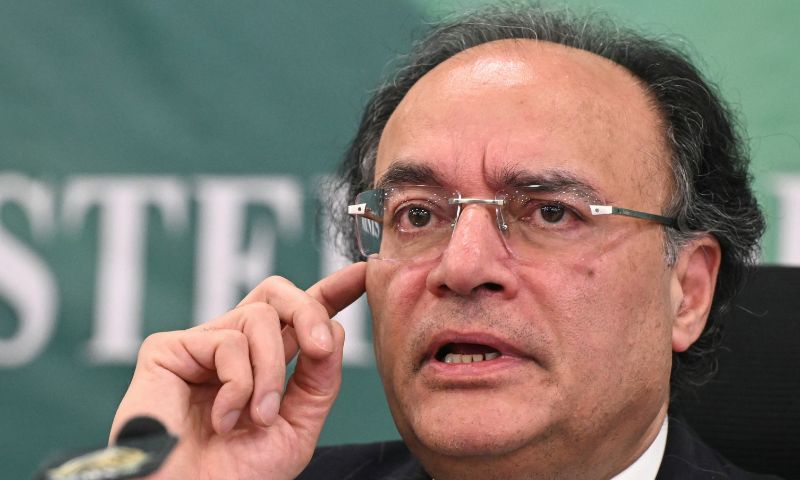
ISLAMABAD: Pakistan’s Finance Minister Muhammad Aurangzeb has said Pakistan continues to consolidate its macroeconomic gains, with record foreign exchange reserves and improving economic growth providing a stronger foundation for sustainable expansion.
Virtually addressing the 10th Annual Microfinance Conference in Karachi, the Finance Minister said the country’s foreign exchange reserves had touched $21.4 billion a few weeks ago, marking the highest level in Pakistan’s history. He added that the reserves were sufficient to cover nearly three months of imports.
Prime Minister Shehbaz Sharif had also described the $21.4 billion reserve position as a historic milestone, saying the improvement reflected stronger remittances and services exports, a better current account position and fiscal discipline.
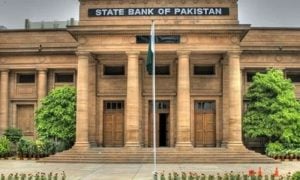
The government has also said the latest increase was not driven by additional external borrowing, but primarily by the State Bank of Pakistan’s foreign exchange purchases.
Growth outlook
Aurangzeb said Pakistan was now moving towards growth, with the economy registering 3.7 per cent growth during the last financial year, while growth of four per cent has been projected for the current financial year.
The finance minister stressed the government’s commitment to sustainable and responsible economic growth, saying the objective was to avoid boom-and-bust cycles and create greater space for the private sector to contribute to economic activity.
Aurangzeb has repeatedly stressed that the next phase of economic expansion must be based on investment, productivity and private-sector activity rather than unsustainable demand-led growth.
Wider financial access
The finance minister emphasised the need to expand access to financial resources for people and communities that remain underserved by the formal financial system.
He said around Rs6 billion had been approved and more than Rs2 billion disbursed to small farmers under a collateral-free financing scheme during the previous seven to eight months.
The initiative is part of broader government and State Bank of Pakistan efforts to increase lending to small and marginalised farmers, particularly those in underserved areas. Under the Risk Coverage Scheme for Small Farmers and Underserved Areas, commercial banks, Islamic banks, specialised banks and microfinance banks are eligible to participate.
The State Bank has also introduced a digital mechanism, Zarkhez-e, to facilitate collateral-free agricultural financing for subsistence farmers and tenants. The system allows farmers to apply through a centralised portal rather than repeatedly visiting bank branches.
Aurangzeb called for stronger cooperation between commercial banks and the microfinance sector to increase financing for small and medium enterprises (SMEs), agriculture and affordable housing.
The call comes as the government seeks to implement its broader Access to Finance Plan 2026-28, which prioritises SMEs, agriculture, information technology, exports, renewable energy and housing.
The finance minister said the export refinance limit had been increased from Rs1 trillion to Rs1.5 trillion, with 20 per cent of the facility earmarked for SMEs.
The increased financing envelope is intended to provide exporters with greater access to affordable working capital while broadening participation in export-oriented economic activity.
Microfinance challenge
Aurangzeb’s emphasis on stronger cooperation with the microfinance sector comes against the backdrop of both expansion and financial pressures within Pakistan’s microfinance industry.
The finance minister’s remarks, therefore, underline a dual objective: expanding access to affordable credit while ensuring that financial institutions remain sustainable enough to serve underserved borrowers over the long term.
The government’s broader financing agenda also includes increasing agricultural lending, expanding SME credit and improving access to affordable housing finance as part of efforts to make economic growth more inclusive.