
Key Points
- Access and Quality indices register gains.
- Raast merchant onboarding boosts Pakistan’s digital payments ecosystem.
- Digital banks contribute to expanding financial access.
- Account-opening drives bring more people into formal finance.
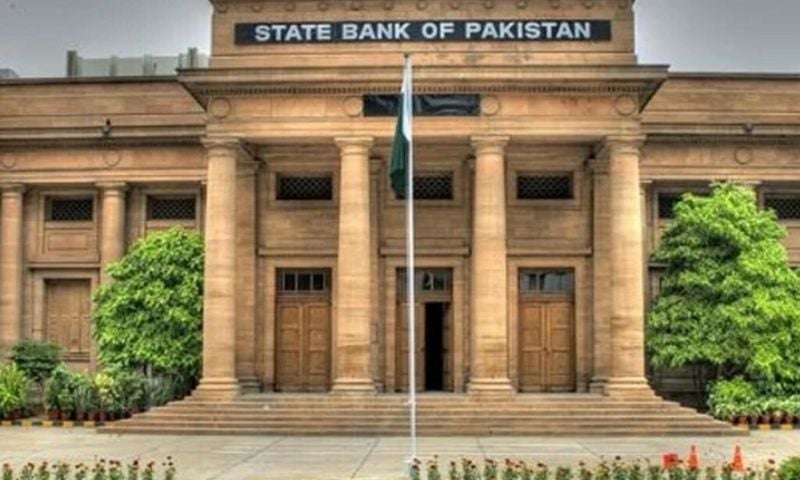
ISLAMABAD: The State Bank of Pakistan (SBP) has said financial inclusion in the country improved further in 2025, with the Pakistan Financial Inclusion Index (P-FII) rising to 59.5 from 58.1 in 2024.
The central bank released the results of the P-FII for calendar year 2025 on Wednesday, saying the index showed continued progress in expanding access to and usage and quality of financial services.
The positive trajectory was largely supported by a substantial increase in the Usage sub-index, followed by improvements in the Access and Quality sub-indices.
SBP attributed the progress to the implementation of digital initiatives under the National Financial Inclusion Strategy (NFIS) 2024–28, particularly Raast merchant onboarding and the development of the digital payments ecosystem, the introduction of digital banks and account-opening drives.
The central bank also highlighted stronger consumer orientation and financial literacy as factors supporting the improvement.
Measuring inclusion
The P-FII was introduced by SBP in December 2025 as a comprehensive measure of financial inclusion, moving beyond the simple question of whether people own bank accounts. It assesses three dimensions — Access, Usage and Quality — and combines 69 indicators covering banking, non-banking and payment services.
The index is designed to provide an evidence-based way of tracking progress in financial inclusion and is benchmarked against defined targets that SBP aims to achieve by 2030.
The 2024 score of 58.1 provided the baseline against which subsequent progress is being measured.
Digital push
The improvement in the Usage component comes as Pakistan accelerates its shift towards digital payments and financial services.
Raast, Pakistan’s instant payment system, has emerged as a key component of this strategy.
The Raast Person-to-Merchant (P2M) service enables businesses to receive digital payments through mechanisms including QR codes, merchant aliases and Request to Pay.
The introduction of digital banks is another component of the financial inclusion drive.
The expansion of digital banking is intended to reduce geographical and other barriers that prevent individuals and small businesses from accessing formal financial services.
Access and quality
While usage recorded the most significant contribution to the overall improvement in 2025, SBP said the Access and Quality dimensions also improved.
Access measures the availability and reach of financial services, while Quality seeks to capture the extent to which financial services are suitable, reliable and responsive to consumers’ needs.
The latest improvement comes as the central bank seeks to make financial inclusion a broader component of Pakistan’s economic development rather than limiting it to bank-account ownership.
The rise in the P-FII to 59.5, therefore, reflects a combination of greater digital adoption, expanding access points and efforts to improve consumers’ ability to use financial services.