ISLAMABAD: Pakistan’s coordinated civil-military diplomacy has helped bring the United States and Iran back to the negotiating table, with a second round of talks expected in Islamabad this week following intensive regional engagements.
The push reflects a broad-based effort led jointly by Pakistan’s civilian and military leadership, combining high-level visits, sustained diplomatic outreach, and direct mediation to revive dialogue between Washington and Tehran.
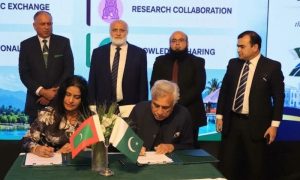
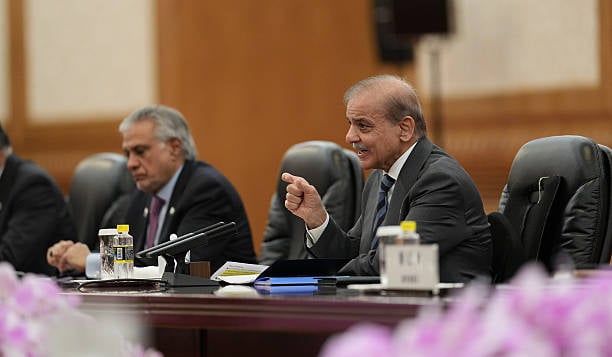
Prime Minister Shehbaz Sharif has been actively engaging regional and global leaders, undertaking diplomatic visits and holding a series of telephone calls to build consensus for continued negotiations and a lasting settlement.
Deputy Prime Minister and Foreign Minister Ishaq Dar has also maintained constant contact with his counterparts, speaking to multiple foreign ministers on a near-daily basis to discuss developments and coordinate positions.
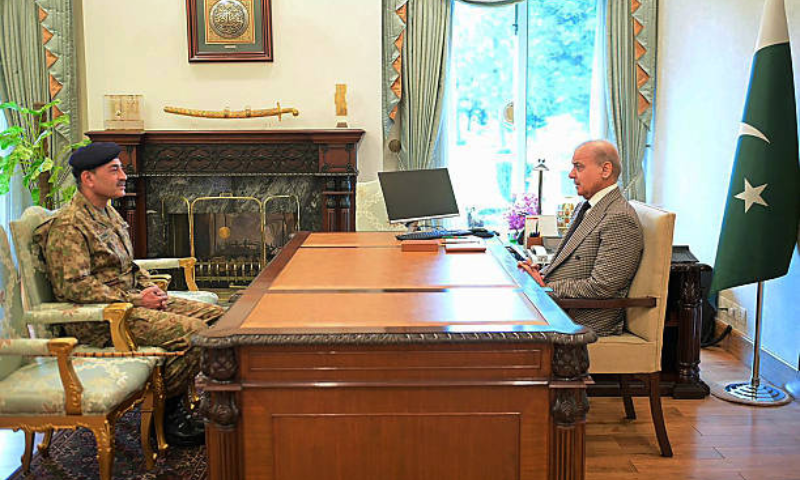
At the centre of the effort is Army Chief Field Marshal Asim Munir, who has played a pivotal role in advancing the negotiation process.
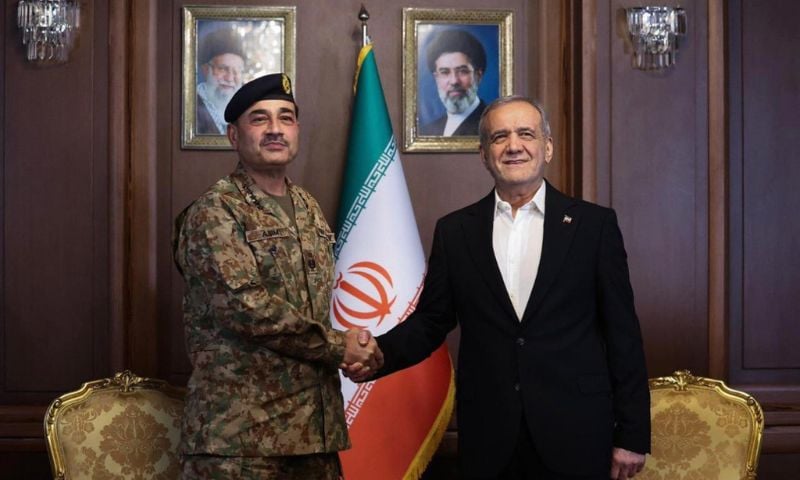
Munir recently concluded a visit to Tehran, where he met senior Iranian leaders and pressed for their participation in the next round of talks, officials said.
His engagement is seen as critical in bridging gaps between the two sides and sustaining momentum after initial negotiations.
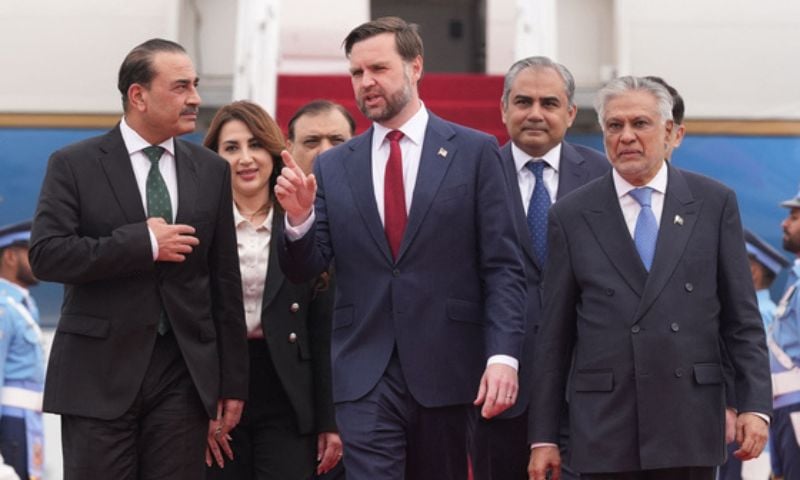
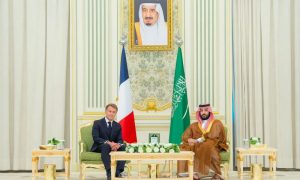
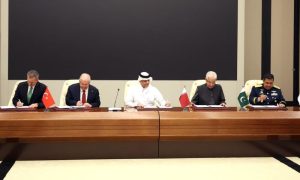
In parallel, Pakistan’s civilian leadership has focused on engaging key regional allies, including Saudi Arabia, Qatar, and Turkiye, to secure broader diplomatic backing for the process.
Officials say the dual-track approach underscores an unusual level of coordination between Pakistan’s civil and military institutions, with both sides aligned in their efforts to facilitate dialogue.
Munir was among the key Pakistani mediators present during face-to-face talks between US and Iranian officials held in Islamabad on April 11, which marked the highest-level direct engagement between the two countries in decades.
While the first round ended without a formal agreement, it succeeded in keeping communication channels open, with Pakistan acting as a central intermediary.
Building on that momentum, Islamabad has stepped up efforts to ensure a second round takes place, with security already being heightened in the capital ahead of the expected meetings.
Officials said Pakistan’s leadership remains unified in its approach, with joint decision-making guiding its diplomatic strategy in an increasingly complex regional environment.
They added that continued coordination and sustained engagement with all stakeholders would be key to pushing negotiations towards a potential breakthrough.