


Key Points
- Pakistan coal consumption rises 32% in first nine months FY2026.
- Coal use reaches 21.41 million tonnes, up from 16.17 million tonnes.
- Installed electricity capacity increases to 49,651 megawatts nationwide.
- Electricity generation recorded at 92,835 gigawatt-hours during FY2026 period.
- Electricity consumption stands at 83,143 gigawatt-hours across Pakistan.
- Thermal power dominates 49.2% of installed electricity capacity.
- Hydropower contributes 23.4%, renewables 20.3%, nuclear 7.1% capacity share.
- Thermal remains largest electricity source at 46.9% generation share.
- Renewables generate only 4.5% of total electricity output.
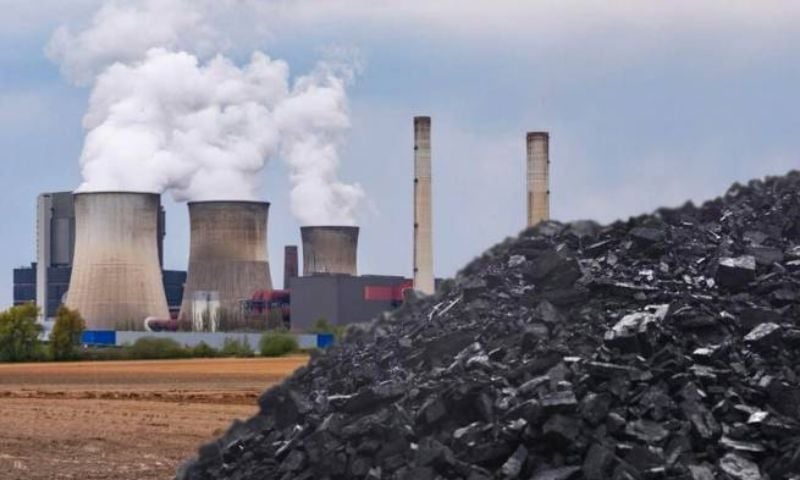
ISLAMABAD: Pakistan’s coal consumption surged by more than 32 per cent during the first nine months of fiscal year 2025-26, even as the country expanded its electricity generation capacity to nearly 50,000 megawatts and diversified its power mix, according to the Pakistan Economic Survey 2025-26.
The survey showed that coal consumption rose to 21.41 million tonnes during July-March FY2026, up from 16.17 million tonnes in the corresponding period last year, underscoring the country’s continued reliance on fossil fuels despite repeated commitments to cleaner energy and climate resilience.
At the same time, Pakistan’s total installed electricity capacity reached 49,651 megawatt (MW) by the end of March 2026, while electricity generation stood at 92,835 gigawatt-hours (GWh) against consumption of 83,143 GWh during the period.
The figures paint a picture of an energy sector in transition: one that is expanding and diversifying, yet remains deeply dependent on imported and carbon-intensive fuels to meet rising demand.
Renewables gain ground
Of the country’s total installed power capacity, 49.2 per cent came from thermal sources, while 23.4 per cent was hydropower, 20.3 per cent renewables, and 7.1 per cent nuclear energy.
Yet the contribution of these sources shifted markedly when it came to actual electricity production.
During July-March FY2026, thermal power accounted for 46.9 per cent of electricity generation, hydropower contributed 30.1 per cent, nuclear plants supplied 18.5 per cent, while renewables generated only 4.5 per cent of total electricity.
The figures suggest that although renewable technologies occupy a significant share of installed capacity, they continue to play a relatively small role in meeting day-to-day electricity demand.
Households lead demand
Domestic consumers remained Pakistan’s largest electricity users.
Households accounted for 47.4 per cent of electricity consumption during the first nine months of FY2026, followed by the industrial sector at 31.5 per cent. Commercial users consumed 8.4 per cent, while agriculture accounted for just 3.1 per cent of total electricity use.
Gas consumption declines
The survey reported natural gas consumption of 2,316 million cubic feet per day (MMCFD) and 613 MMCFD of re-gasified liquefied natural gas (RLNG) during July-March FY2026, compared with 2,345 MMCFD and 798 MMCFD, respectively, in the same period last year.
Oil demand ticks up
Demand for petroleum products also increased.
The country consumed 13.64 million tonnes of petroleum products during July-March FY2026, with the transport sector accounting for 82.5 per cent of total demand.
Petroleum imports rose to 13.64 million tonnes, compared with 13.17 million tonnes during the same period a year earlier.
Expanding nuclear footprint
Pakistan’s six operational nuclear power plants, with a combined installed capacity of 3,530 MW, generated 17,137 million units of electricity during July-March FY2026.
Nuclear energy’s nearly one-fifth share in electricity generation highlights its growing importance in the country’s low-carbon power mix.
An uneven transition
Taken together, the survey’s findings portray an energy sector undergoing gradual change while remaining anchored in traditional fuels.
Pakistan has expanded its electricity generation capacity and diversified its power mix, with hydropower and nuclear energy accounting for a growing share of electricity production and renewables making up one-fifth of installed capacity.
Yet the sharp rise in coal consumption, higher petroleum demand and the limited contribution of renewables to actual power generation highlight the extent of the country’s continued dependence on fossil fuels.