Key Points
- Reforms introduce co-education at primary level
- School uniform no longer mandatory in public schools
- All government schools to have essential furniture
ISLAMABAD: Pakistan’s provincial government of Balochistan has approved a sweeping set of reforms in the public education sector, targeting the primary schooling structure, classroom environment, and access in both urban and remote districts.
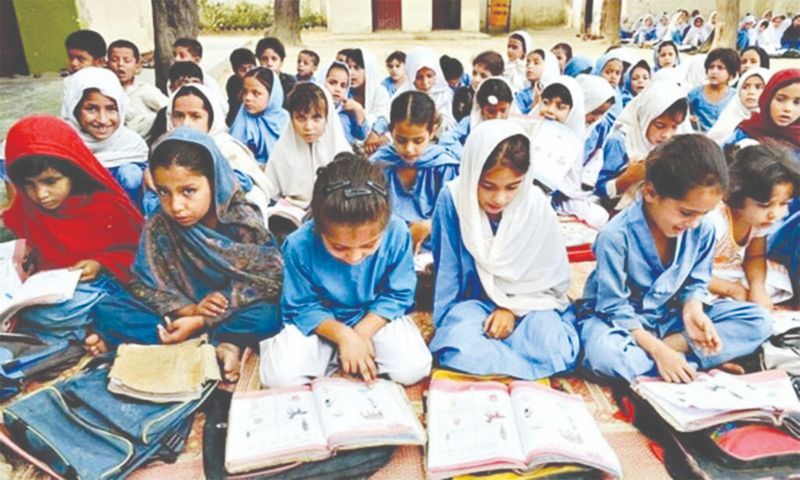
The reforms, approved in a high-level meeting chaired by Chief Minister Mir Sarfraz Bugti, introduce a new framework, including co-education at the primary level, no compulsory school uniforms, and a shift away from floor-based classroom teaching toward proper desks and chairs in all government schools.
Officials said the decision to introduce co-education at the primary level is aimed at addressing infrastructure shortages, particularly in remote areas where separate facilities for boys and girls are often not available.
The move is also intended to improve enrolment rates and ensure more efficient use of limited resources in the education sector.
In another significant policy shift, the provincial government has scrapped the requirement for school uniforms in public primary schools.
Authorities said the decision is designed to reduce financial pressure on low-income families and remove barriers that may discourage school attendance.
A major component of the reform package focuses on classroom conditions.
The government plans to replace the long-standing practice of children sitting on mats or makeshift arrangements with standardised desks and chairs.
Officials described the initiative as an effort to improve dignity, comfort, and concentration in learning environments, particularly in underdeveloped districts where basic facilities remain inadequate.
The reforms also include plans to expand double-shift schooling to increase capacity without immediate construction delays, alongside the establishment of new classrooms in overcrowded schools.
Authorities have also indicated improvements in the structure of non-formal education, including support measures for teachers engaged in outreach and community-based learning programmes.
Education officials said the package is part of an overall attempt to address long-standing challenges in Balochistan’s education system. They said such an aggressive set of reforms is essential in Balochistan, where literacy rates remain among the lowest in the country, and access gaps persist across rural and mountainous regions.
The reforms will be implemented after formal approval from the provincial cabinet, with phased execution planned across districts depending on infrastructure readiness and resource availability.