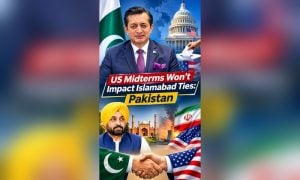
A recent Foreign Policy report described how Pakistan built unusual access in Washington under the Trump administration, through lobbying and engagement on areas such as minerals and trade. Commentators have since asked whether that standing would survive the next change of administration. The question is natural, but it rests on a wrong idea: that this relationship belongs to one leader, one party or one moment.
A partnership that is working today
The relationship is in good health. Under President Trump, it has gained fresh momentum, with contact at the highest level and cooperation on trade, minerals and regional diplomacy. In April 2026, Pakistan helped arrange a temporary ceasefire between the United States and Iran and then hosted rare direct talks in Islamabad, led on the American side by Vice President JD Vance. No final agreement emerged, but both delegations spoke well of Pakistan as a host. That access comes from geography, history and trust built over years, and it serves American interests now as it will in the future.
A relationship older than any party
Pakistan and the United States have been partners for more than seven decades. The defence agreement of 1954, membership of SEATO and the Baghdad Pact, the channel through Islamabad that carried Henry Kissinger to Beijing in 1971, the Afghan war of the 1980s and the cooperation after 9/11 all belong to this record. Washington’s needs changed, and so did Islamabad’s, but neither side ever closed the door.
Both parties have been partners
Republican administrations built the cooperation of the 1980s and the years after 9/11. Democratic ones kept the partnership going. The Enhanced Partnership with Pakistan Act of 2009, known as Kerry Lugar Berman, authorised 7.5 billion dollars in civilian assistance over five years and was sponsored by lawmakers from both parties. In September 2022, the Biden administration notified Congress of a possible sale worth up to 450 million dollars to sustain Pakistan’s F16 fleet, and the State Department called Pakistan an important counterterrorism partner. Different presidents, same logic.
Business is not the foundation
The report is right that Pakistan engaged widely, including on minerals, technology and trade. Any serious country does the same with the world’s largest economy. The United States is one of Pakistan’s most important export markets, and both capitals have reason to widen that trade. Critical minerals matter to Washington’s supply chains for reasons that will outlast any administration. These are interests of states, not favours between individuals.
Personal rapport between leaders is real and valuable, and Pakistan welcomes it. But rapport works best when it rests on interests both countries already share, and those interests do not depend on any one person. A deal that serves both countries survives a change of government.
A state, not a faction
Pakistan has always approached Washington as a state. It follows an independent and balanced policy, and it does not treat its ties with America and China as competing. That steadiness is what makes it a dependable partner, whoever sits in the White House.
Looking ahead
Pakistan values its work with the current administration and will keep building on it. It is also wise for any state to prepare for the future. Whoever shapes American policy after this administration will find that Pakistan remains important. It sits between Afghanistan, China, Iran and India. It has a large young population, a capable military, a place in Gulf security and a voice across the Muslim world. It is a counterterrorism partner, a bridge to Tehran and a market.
Pakistan wants ties with America on their own merits, and it wants them with Congress, the State Department, the Pentagon and the business community, not through any single door. It should keep widening these contacts now, while relations are strong, so that they are deep enough to last.
Nor does friendship with Pakistan have to come at the cost of friendship with India, and Pakistan expects the same in return: that American ties with India will not come at its expense. Washington has managed both before and can do so again.
Presidents and parties will change in time. Pakistan’s geography, its security role and its need for a steady relationship with America will remain. That is why this partnership has lasted for seven decades and will go on doing so.