Key Points
- Government pushes transition toward electric transport and charging infrastructure
- Battery storage systems and solar integration policy accelerated
- Petroleum supply and food security described as stable
ISLAMABAD: Pakistan has outlined plans to establish strategic crude oil reserves as a policy shift aimed at strengthening energy security, reducing exposure to global supply shocks and improving long-term resilience against global market volatility.
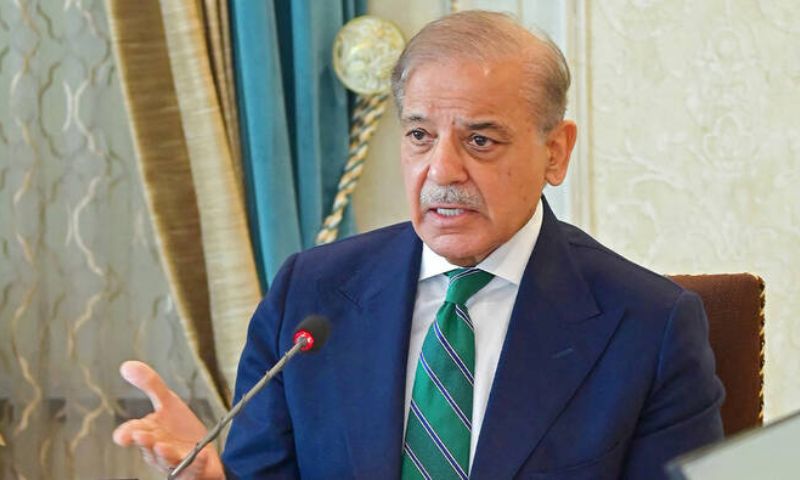
The direction was issued at a high-level meeting on energy security chaired by Prime Minister Shehbaz Sharif on Thursday, where he said energy security has become a central pillar of Pakistan’s national planning framework.
اسلام آباد: 23 اپریل 2026
وزیراعظم محمد شہباز شریف نے انرجی سیکیورٹی کے حوالے سے اہم اجلاس کی صدارت کی.
اجلاس سے گفتگو کرتے ہوئے وزیرِ اعظم نے کہا کہ انرجی سیکیورٹی اب ملک کی مستقبل کی مجموعی منصوبہ بندی کا انتہائی اہم حصہ بن چکی ہے. موجودہ علاقائی صورتحال میں توانائی کی بچت… pic.twitter.com/JkiQH1hUaV
— Prime Minister’s Office (@PakPMO) April 23, 2026
The Prime Minister said timely energy management and conservation measures had helped the country avoid an energy crisis despite challenging regional conditions. Future planning must prioritise long-term stability and structural resilience in the energy system, he added.
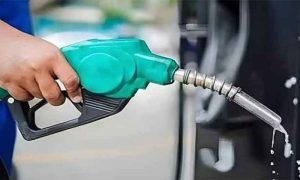
He directed officials to develop a comprehensive framework for strategic crude oil reserves to ensure fuel availability during potential supply disruptions and to reduce vulnerability to fluctuations in global oil prices.
Officials briefed the meeting that Pakistan currently holds sufficient petroleum stocks and that the energy system is being monitored daily through a national coordination mechanism.
They added that petroleum supply conditions remain stable. However, domestic oil and gas production is gradually improving due to continued efforts by energy companies.
Prime Minister Muhammad Shehbaz Sharif chaired a meeting regarding energy security. Islamabad, 23 April 2026. pic.twitter.com/F92ICtGKcb
— Prime Minister’s Office (@PakPMO) April 23, 2026
The briefing further noted that food security conditions remain stable and that supply chains are functioning normally.
Beyond fuel storage planning, the Prime Minister also directed a broader shift toward electric mobility as part of the country’s energy transition strategy.
He instructed that future government transport procurement should focus exclusively on electric buses and electric motorcycles. The Prime Minister ordered a rapid expansion of charging infrastructure for electric vehicles.
He further directed authorities to prepare a framework to facilitate battery, household storage systems using solar energy, including measures to simplify access to storage technology.
He also called for encouraging domestic manufacturing of high-quality batteries to support long-term energy storage capacity.
Officials informed the meeting that work is underway on two pilot projects for grid-level battery storage systems, currently at the project approval stage.
They added that efforts are also being made to promote household-level battery storage to improve efficiency in solar energy utilisation.
The policy direction reflects a broader effort by Pakistan to strengthen energy resilience through strategic fuel reserves, expansion of electric mobility, and increased integration of renewable energy systems amid global energy uncertainty.