Key Points
- Saudi Arabia wants to raise purchases of Pakistani red meat
- Disease controls and traceability remain key export barriers
- New farms will link imported livestock directly to export markets
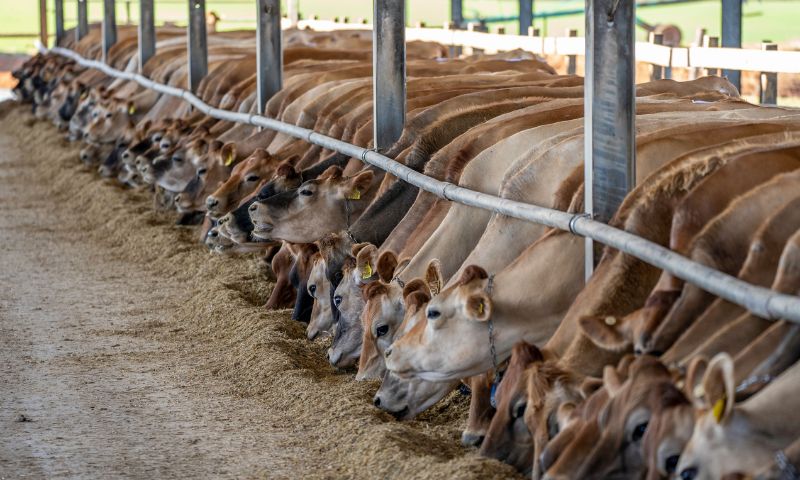
ISLAMABAD: Pakistan plans to establish specialised livestock farms that can import high-yield animals duty-free and raise them for export, creating a dedicated supply base for Gulf meat markets and meeting international animal-health and traceability standards.
The initiative targets a sector that already sends most of Pakistan’s meat exports to the Gulf but has struggled to convert its large livestock population into a much larger export business.
Pakistan exported 114,046 tonnes of meat and meat preparations worth $530.25 million in the fiscal year ended June 2026, according to official trade data.
Export value rose about 7 per cent from $495.11 million a year earlier even though shipment volumes remained almost unchanged.
Pakistan targets Gulf meat demand
The United Arab Emirates, Saudi Arabia, Kuwait and Qatar rank among Pakistan’s main meat markets. Saudi Arabia alone imports about 30,000 tonnes of Pakistani red meat worth roughly $167 million a year and has indicated interest in gradually doubling purchases.
The duty-free farm model could give exporters access to higher-yield and superior-breed animals without the import duties that raise production costs.
Authorities also plan to use a modern tagging system to track imported animals from arrival at the farms through their eventual export.
Prime Minister @CMShehbaz has approved the establishment of special farms for raising imported livestock to boost the country’s livestock exports
@PakPMO @GovtofPakistan @tdap_official
#RadioPakistan #News #Livestock #Exports #Agriculture
https://t.co/1V8lEEBvqu https://t.co/9hshlJS2zK— Radio Pakistan (@RadioPakistan) October 5, 2026
The system could give buyers clearer information on animal origin, health status and movement, addressing one of the problems that has limited Pakistan’s access to demanding international markets.
Pakistan has about 245 million livestock and produces an estimated 6.31 million tonnes of meat each year.
Livestock contributes 14.97 per cent to the national economy and 63.6 per cent to agricultural value added. About eight million rural households depend on the sector.
Despite that scale, much of the industry operates through small farms and fragmented supply chains. This structure makes it difficult to maintain consistent animal health controls, processing standards and export-quality supply.
Disease control key to export expansion
Foot-and-mouth disease is among the main obstacles to Pakistan’s livestock exports.
The government plans to establish disease-free zones and compartments, strengthen animal disease surveillance and introduce digital monitoring of vaccinations and disease outbreaks.
Authorities also plan to secure international certification for slaughterhouses and obtain third-party validation with global standards. These measures could help Pakistani exporters meet health and food-safety requirements in markets that impose strict controls on imported meat.
The government also plans to improve feedlot farming, cold-chain infrastructure, deboning facilities and production of value-added meat products.
Export-grade farms and internationally recognised animal-health and halal certification systems form part of the planned reforms.
The farm model therefore goes beyond importing better livestock. It aims to create controlled production facilities where animal health, feeding, identification and eventual processing could meet standards required by overseas buyers.
Pakistan looks beyond existing markets
Pakistan’s current meat exports do not match the size of its livestock sector. The government has identified Saudi Arabia, Malaysia and China as markets with potential for additional shipments.
READ ALSO: Pakistan Plans Food Value Chain Modernisation to Boost Exports
Gulf markets offer an immediate opportunity because Pakistani exporters already have established trade links and the region has sustained demand for halal meat.
Greater access will depend on Pakistan’s ability to provide reliable volumes that meet health, traceability and quality requirements.
The government has also directed authorities to set specific targets for livestock and meat exports and prepare an implementation plan for the sector.
The duty-free import arrangement could allow specialised farms to build export-oriented herds faster than traditional breeding systems.
The tagging requirement would also allow authorities to distinguish imported animals from domestic livestock and maintain an export trail.
For Pakistan, the objective is to shift livestock from a predominantly domestic agricultural activity to a more organised export industry that can supply Gulf buyers with consistent volumes of internationally certified meat.