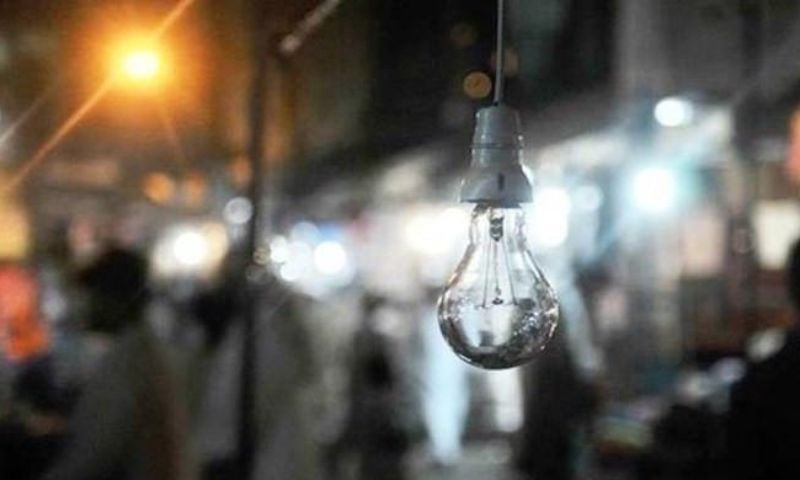
ISLAMABAD: Pakistan on Tuesday announced a daily suspension of electricity supply for more than two hours during peak evening hours, while also warning of possible increases in power tariffs amid mounting pressure on the country’s energy system.
The federal government’s decision comes as global energy markets face renewed uncertainty following reported tensions in the Gulf region, including disruptions linked to developments around the Strait of Hormuz, a vital shipping route for global oil supplies.
In an official statement, a spokesperson for Pakistan’s Power Division said electricity supply would be temporarily suspended for approximately two and a half hours between 5pm and 1am, a period identified as peak demand hours across the country.
The government explained that the measure is aimed at reducing reliance on costly imported fuels used for electricity generation, which could otherwise place upward pressure on consumer tariffs.
“The biggest challenge is during peak hours when electricity demand rises sharply, particularly at a time when hydropower generation has declined significantly,” the spokesperson said.
According to the statement, increased dependence on furnace oil and other expensive fuel sources would have resulted in a substantial rise in electricity prices. The government therefore opted for what it described as a “peak relief strategy” designed to stabilise costs for consumers.
Officials further stated that Prime Minister Shehbaz Sharif has directed authorities to avoid any significant increase in electricity tariffs, instructing the Power Division to take all possible measures to minimise cost pressures on the public.
The spokesperson added that despite current challenges, average electricity tariffs have declined by approximately Rs0.71 per unit between July and February, attributing the reduction to reforms in the power sector, improved system management, and strict adherence to merit order in power generation.
To offset rising demand, around 80 million cubic feet per day (MMCFD) of locally produced gas has been diverted to power plants, a move the government claims has helped avoid an additional increase of around Rs0.80 per unit in electricity costs.
Officials estimate that without such interventions, electricity tariffs could have risen by Rs5 to Rs6 per unit. Under the current arrangements, the expected increase has been limited to approximately Rs1.5 per unit.
The Power Division has also instructed distribution companies to publicly share feeder-level outage schedules so that consumers are aware of planned interruptions. It emphasised that no unscheduled shutdowns should occur outside the announced framework, except in cases of technical faults, which must also be communicated promptly to consumers.
Authorities stressed that the current measures should not be viewed as conventional load-shedding, but rather as part of a structured “peak management strategy” intended to prevent a sharp rise in electricity prices while ensuring system stability during periods of high demand.