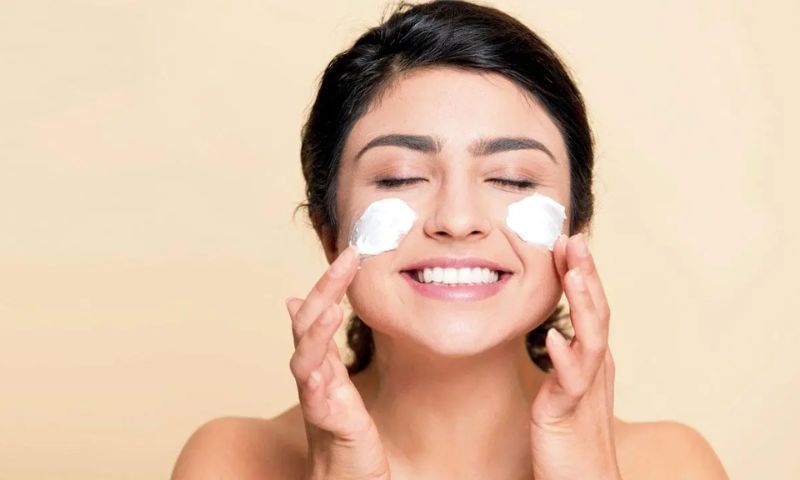
ISLAMABAD: Pakistani authorities have initiated a sweeping investigation into firms manufacturing, marketing, and selling skin-whitening creams contaminated with high levels of mercury.
The Competition Commission of Pakistan (CCP) says the probe aims to protect consumers’ health and uphold fair market practices, in a country where “fairness” creams flourish under deep cultural pressures.
Why This Matters
According to the World Health Organization, skin-lightening products that use toxic mercury compounds pose serious risks, including kidney and neurological damage, skin disorders, and harm to developing fetuses.
Under the Minamata Convention on Mercury, parties are required to prohibit cosmetics containing more than 1 part per million (ppm) of mercury, including skin-lightening creams.
In Pakistan and other countries in Asia and Africa, whitening or “lightening” cosmetics remain among the most popular segments of the beauty industry.
Many products hide their mercury content, failing to list it on ingredient labels. In some international markets, creams from Pakistan were found with alarmingly high mercury levels.
Cultural Roots and Demand for Whitening Products
To understand why these products are pervasive, one must see the cultural and historical drivers:
Across South Asia, lighter skin has long been associated with beauty, social status, marriage prospects, and upward mobility. These beliefs are reinforced in media, advertising, and social norms.
Some critics trace the fetishizing of lighter skin to colonial legacies and global media standards that valorize whiteness.
The skin-lightening market commands significant demand, making it a lucrative business, including informal or unregistered manufacturers who cut costs by using cheap toxic ingredients like mercury.
Thus, even though safer alternatives exist, the market incentive combined with social pressures makes consumers vulnerable to predatory marketing and hidden toxicity.
What the CCP Found and What It Means
The CCP’s Office of Fair Trade and Market Intelligence, during recent inspections and market monitoring, uncovered that multiple whitening creams sold through local shops and online platforms contained dangerously elevated mercury concentrations. These products were often advertised under benign labels— “fairness,” “glow,” “lightening”—while concealing the real risk to buyers.
Because the marketing is deceptive and harmful, the CCP has invoked Section 10 of the Competition Act, 2010, which prohibits false or misleading marketing. Violators may face penalties of up to PKR 75 million or 10 percent of their annual turnover, whichever is higher.
In effect, the authorities argue, the crackdown is needed not just to protect consumers’ health, but to restore fairness in the cosmetics market—preventing unscrupulous actors from gaining unfair advantage at grave human cost.
Why Authorities Had to Act Now
Long-term exposure to mercury from skin creams can lead to chronic kidney injury, neurological damage, and serious skin conditions. Delaying would worsen public health.
Companies using toxic ingredients can undercut safer but more expensive competitors, creating an unfair competitive environment.
Many products fail to disclose mercury in their ingredient lists, misleading people into believing that they are safe.
As a member of the global mercury treaty framework, Pakistan is expected to enforce bans on dangerous cosmetics. Growing awareness—both domestically and via international health agencies—has put pressure on regulators to enforce stricter standards.
Pakistan’s crackdown on mercury-laced whitening creams underscores a broader struggle faced by many countries: balancing strong cultural demand for “fairness” products with the urgent need to protect public health.
While the CCP’s probe could deter toxic practices locally, the challenge remains to shift consumer perceptions, empower safer alternatives, and build stronger regulatory oversight in a vast and often opaque cosmetics market.