RAWALPINDI: Pakistan and Iran made “significant progress” towards restoring the Islamabad Memorandum of Understanding (MoU) during talks between Field Marshal Syed Asim Munir and Iranian President Dr Masoud Pezeshkian in Tehran, Interior Minister Mohsin Naqvi said, expressing hope that the momentum would pave the way for further progress and lasting peace in the region.
In a further indication of the outcome of the high-level engagement, Iranian Deputy Communications Director Seyed Mehdi Tabatabaei described Field Marshal Munir’s visit to Tehran as “highly fruitful”, rejecting what he called “misguided media speculations” surrounding the visit.
برخلاف برخی گمانهزنیهای نادرست رسانهای، سفر فیلد مارشال عاصم منیر فرمانده ارتش کشور دوست پاکستان به ایران بسیار ثمربخش و واجد دستاوردهای دیپلماتیک بسیار ارزشمندی بود که نتایج آن بهزودی آشکار خواهد شد.
— سيد مهدي طباطبايي (@tabaei1356) August 25, 2026
Tabatabaei said the visit was “replete with highly valuable diplomatic achievements”, adding that its results would “soon become apparent”.
His remarks reinforced statements from the Pakistani side about progress during the Tehran engagements, particularly discussions aimed at restoring the Islamabad MoU and advancing efforts towards a comprehensive settlement of the Iran-US conflict.
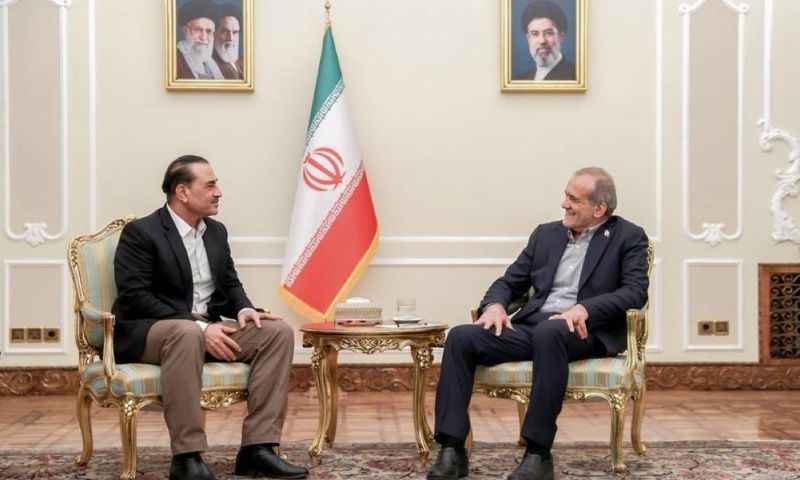
Naqvi, who accompanied Field Marshal Munir during his visit to Iran, said the “very positive and productive” meeting with President Pezeshkian focused on the Iran-US conflict, wider tensions in the Middle East and steps required from both sides to restore the Pakistan-brokered Islamabad MoU.
Field Marshal Syed Asim Munir and I had a very positive and productive meeting with the President of Iran. Our discussion focused on the Iran US conflict, tensions in the Middle East and the way forward, as well as the steps needed by both sides for restoration of the Islamabad… https://t.co/jt1wtlESCa
— Mohsin Naqvi (@MohsinnaqviC42) August 24, 2026
“The Iranian President candidly shared his Government’s perspective and concerns, and we had a very constructive exchange on the issues involved,” Naqvi said in a post on X.
“Significant progress was made, and the meeting concluded on a highly positive note,” he added.
Naqvi said Pakistan remained hopeful that the momentum generated by the talks would help pave the way for further progress and lasting peace in the region.
Field Marshal Munir Meets Iranian President Masoud Pezeshkian
During the visit, Field Marshal Syed Asim Munir held a separate meeting with Iranian President Dr Masoud Pezeshkian, with discussions focusing on regional peace, de-escalation and efforts towards a negotiated settlement of the US-Iran conflict.
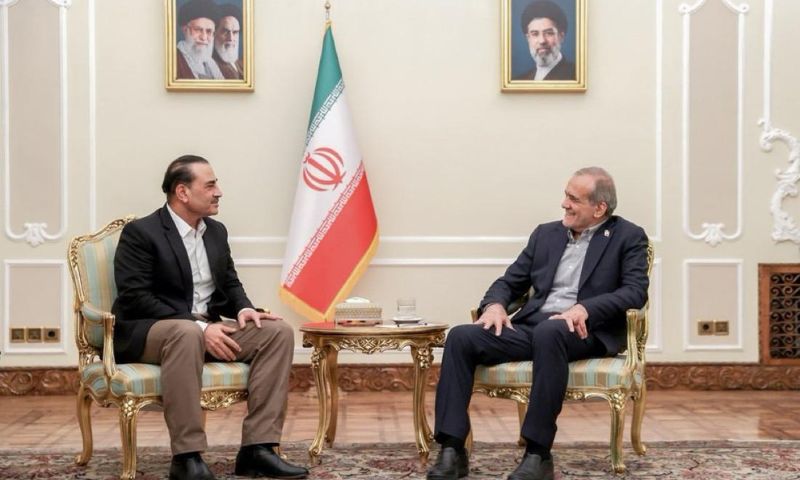
The two sides discussed measures aimed at preventing further escalation and promoting a peaceful, lasting and comprehensive resolution of the conflict in the Middle East.
Talks With Supreme Leader’s Representative Mohsen Rezaei
Field Marshal Munir also separately met Mohsen Rezaei, Representative of Iran’s Supreme Leader on the Supreme National Security Council, as part of his high-level engagements in Tehran.
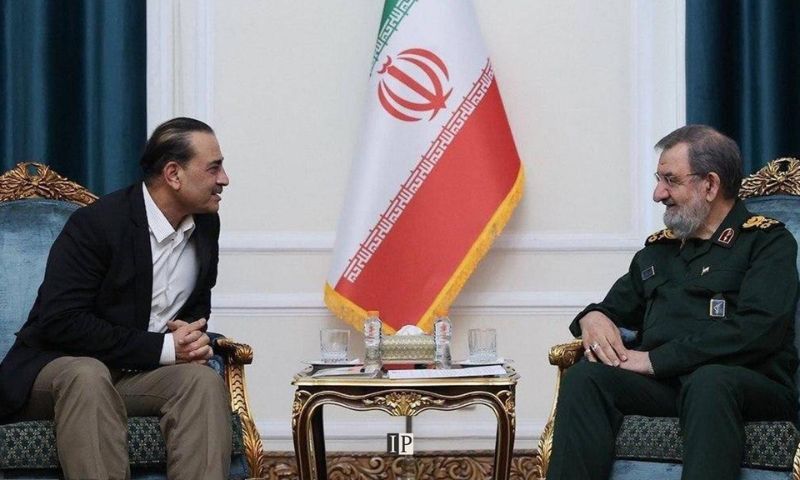
The meeting included an exchange of views on the regional security situation and efforts to prevent further escalation while creating conditions for a negotiated settlement.
Field Marshal Munir Meets Iranian Parliament Speaker
The Chief of Defence Forces also held a separate meeting with Iranian Parliament Speaker Mohammad Bagher Ghalibaf.
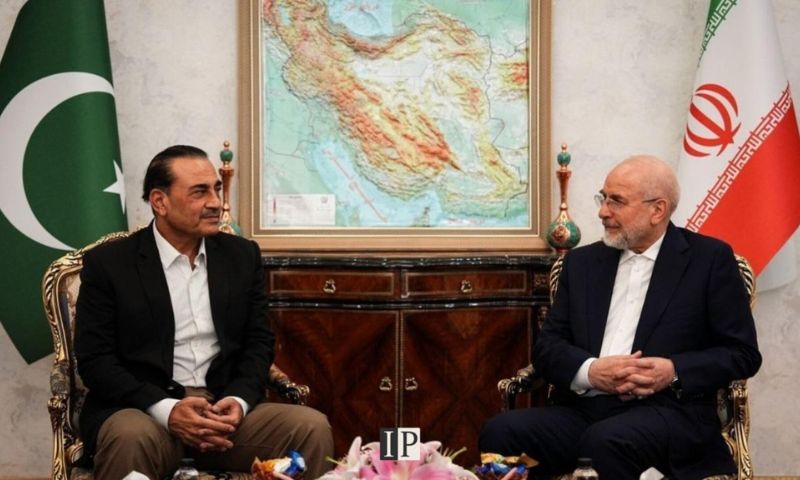
The interaction formed part of Pakistan’s wider diplomatic engagement with Iran’s political leadership as Islamabad continues efforts to promote dialogue, regional stability and a peaceful resolution of the conflict.
Meeting With Iranian Foreign Minister Abbas Araghchi
Field Marshal Munir separately met Iranian Foreign Minister Seyed Abbas Araghchi, with the two sides discussing the regional situation and diplomatic efforts aimed at ending the conflict.
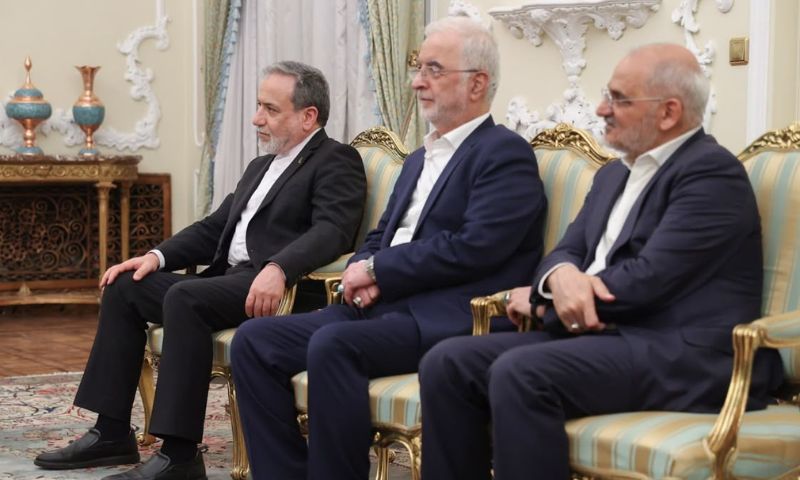
The talks came as Pakistan continues to push for dialogue and implementation of the Islamabad MoU framework between Iran and the United States.
Field Marshal Munir Holds Talks With Iranian Interior Minister
Field Marshal Munir also held a separate meeting with Iranian Interior Minister Eskandar Momeni, who had received him upon his arrival in Iran.
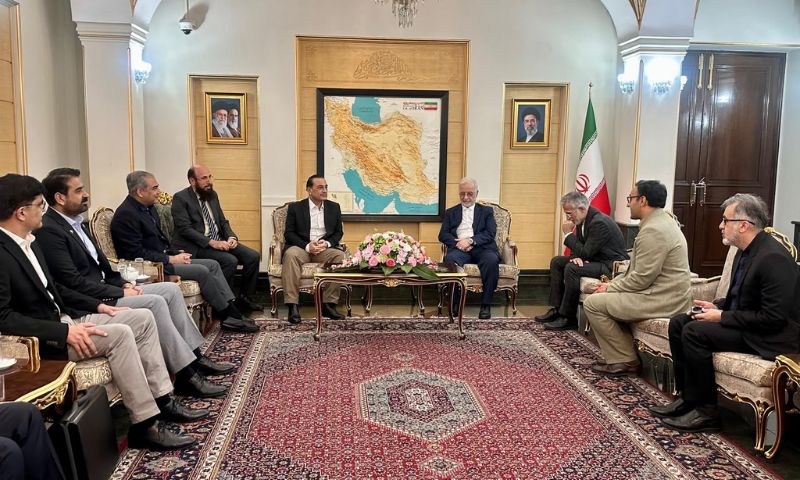
The engagement formed part of the delegation’s consultations with senior Iranian officials during the day-long visit.
“Comprehensive discussions focused on measures to prevent further escalation, reopening of the Strait of Hormuz and expedited termination of the conflict. The two sides also exchanged views on regional peace and the ways to arrive at a negotiated settlement to the disputes,” ISPR stated.
دیدار فرمانده ارتش پاکستان با رئیسجمهور پزشکیان pic.twitter.com/YIQbhp5SzP
— خبرگزاری ایسنا (@isna_farsi) August 24, 2026
The Iranian leadership appreciated Pakistan’s constructive role and sincere efforts towards facilitating dialogue, de-escalation and a peaceful resolution of the conflict.
Upon arrival, the Field Marshal was received by Iranian Interior Minister Eskandar Momeni and other senior Iranian civil and military officials.
The visit was part of Pakistan’s efforts to promote peace and stability in the region and seek a peaceful, sustainable and comprehensive resolution to the conflict in the Middle East.
Pakistan Stresses Implementation of Islamabad MoU
Meanwhile, Pakistan’s Deputy Prime Minister and Foreign Minister Ishaq Dar has stressed the implementation of the Islamabad Memorandum of Understanding (MoU) in letter and spirit to end the US-Iran conflict.
Deputy PM Dar made the remarks during a phone call with the Kuwaiti Foreign Minister Sheikh Jarrah Jaber Al-Ahmad Al-Sabah on Monday, the Foreign Office said.
Also Read: Pakistan Stresses Implementation of Islamabad MoU to End US-Iran Conflict
“Both leaders discussed bilateral relations and matters of mutual interest, reaffirming the importance of further strengthening the close and brotherly ties between Pakistan and Kuwait,’ it said.
Deputy Prime Minister/Foreign Minister Senator Mohammad Ishaq Dar @MIshaqDar50 spoke with the Foreign Minister H.E. Sheikh Jarrah Jaber Al-Ahmad Al-Sabah.
Both leaders discussed bilateral relations & matters of mutual interest, reaffirming the importance of further… pic.twitter.com/wIrPgaXU3Z
— Ministry of Foreign Affairs – Pakistan (@ForeignOfficePk) August 24, 2026
The statement further said that on regional developments, Ishaq Dar stressed that dialogue and diplomacy, and implementation of the Islamabad MoU in letter and spirit, remain the only way forward for lasting peace and stability in the region.
China Calls for Political Solution
China on Monday called for restraint and a political solution to the escalating conflict between the US and Iran.
Chinese Foreign Ministry spokesperson Lin Jian said Beijing opposed any action that could further escalate the situation and urged all parties to resolve their differences through dialogue and negotiations.
Also Read: China Calls for Political Solution to End US-Iran Conflict
“China calls for reason and restraint on the Iran situation. No action that could further escalate the conflict or deal another blow to global growth and financial stability. A political solution is the only right way forward. China will closely watch the developments and do what is necessary to protect its legitimate rights and interests,” the spokesperson said.
Pakistan’s Mediation Efforts
Pakistan has been engaged with the leaderships of the US and Iran in efforts to broker peace between the two countries since their conflict broke out in February this year.
As a key mediator between the US and Iran, Pakistan brokered the Islamabad memorandum of understanding between Tehran and Washington in June, aimed at ending hostilities and paving the way for further negotiations.
Islamabad has repeatedly called for diplomacy to resolve the conflict and said last week it was making “all-out efforts” through direct and indirect channels to bring Washington and Tehran back to the negotiating table.
Islamabad MoU Framework for US-Iran Talks
Pakistan is mediating talks between Iran and the United States after helping secure a ceasefire on April 8 and hosting high-level talks between the two sides in Islamabad on April 12 and 13.
The US and Iran signed the Pakistan-brokered Islamabad MoU in June to halt fighting and start technical-level negotiations for a comprehensive agreement between Washington and Tehran.
Under the Islamabad MoU, the US and Iran committed to halt military operations, reopen the Strait of Hormuz to commercial shipping and negotiate a comprehensive agreement covering Iran’s nuclear programme, US sanctions and a permanent ceasefire within 60 days.
Pakistan and Qatar later co-mediated the first round of high-level talks in Lucerne, Switzerland, on June 21. The meeting was attended by US Vice President JD Vance and Iranian Parliament Speaker Mohammad Bagher Ghalibaf.
Pakistan and Qatar are mediating between Tehran and Washington under the framework of the Islamabad MoU to permanently end the conflict.
Following the US-Iran talks in Switzerland, Pakistan and Qatar said significant progress had been made in diplomatic efforts between Washington and Tehran.
The 60-day negotiating window created by the Islamabad MoU between the US and Iran expired on August 17 with no final peace agreement.
The dispute over Hormuz is now at the heart of the crisis. Iran says the waterway will remain closed until Washington lifts sanctions, unfreezes Iranian assets and withdraws its forces.
Tehran also wants compensation for wartime damage. Washington, by contrast, insists on unrestricted shipping and has pursued economic and military pressure to force Iran to reopen the strait. Or it insists that the US would continue a complete blockade of Iran.