UNITED NATIONS: Pakistan has called for a comprehensive and inclusive reform of the United Nations Security Council, strongly opposing any effort to address the veto power in isolation or defer discussion on the issue.
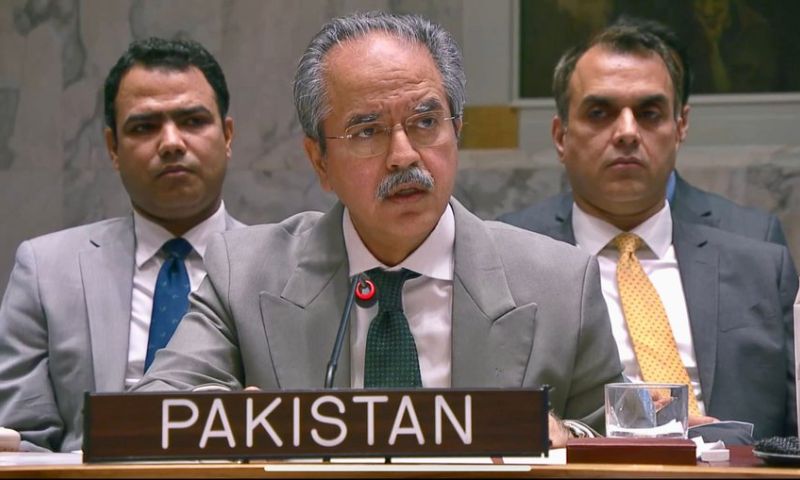
Speaking at the 3rd Intergovernmental Negotiations (IGN) meeting on the “Question of Veto,” Pakistan’s Permanent Representative to the UN, Ambassador Asim Iftikhar Ahmad, emphasised that meaningful reform must address all key areas together, including the contentious issue of veto power.
Security Council reform must be comprehensive and addressed as a single undertaking, including the question of veto, which is intricately linked to the other four clusters. We oppose deferring this issue or addressing it in isolation. We have repeatedly heard from colleagues… pic.twitter.com/nz1klxc6e4
— Permanent Mission of Pakistan to the UN (@PakistanUN_NY) April 14, 2026
“Security Council reform must be comprehensive and addressed as a single undertaking, including the question of veto, which is intricately linked to the other four clusters. We oppose deferring this issue or addressing it in isolation,” he stated.
Highlighting Pakistan’s principled stance, the ambassador underscored that widely agreed values such as democracy, representation, accountability, effectiveness and transparency must form the foundation of any reform process.
Serious reflection
He argued that the veto power stands in contradiction to these principles, calling for serious reflection by member states. “Veto is our view runs counter to each one of these principles. We must seriously reflect on this contradiction,” he said.
Reaffirming Pakistan’s long-standing position, Ambassador Ahmad stressed the need for equitable reforms that serve the interests of all member states rather than a select few.
“That is why we say if we want Reform for All, there should be Privilege for None,” he added.
Pakistan has consistently advocated for a more democratic and representative Security Council that reflects contemporary global realities and ensures fairness in international decision-making processes.