



ISLAMABAD: Pakistan is expected to receive near-normal monsoon rainfall across its northern regions, including Gilgit-Baltistan, Azad Jammu and Kashmir, and upper Khyber Pakhtunkhwa, during the 2026 monsoon season, according to the Pakistan Meteorological Department (PMD).
However, authorities have simultaneously warned that above-normal temperatures could accelerate snow and glacier melt, heightening the risk of river flooding and Glacial Lake Outburst Floods (GLOFs) in vulnerable high-altitude catchments.
PMD’s Monsoon 2026 Outlook indicates near-normal rainfall over Pakistan’s HKH region, while above-normal temperatures may accelerate snow/glacier melt and raise risks of flash floods, landslides, debris flows and localized GLOF hazards.#PMD #Monsoon2026 #HKHRegion #GLOFRisk pic.twitter.com/DtEQJwdQqi
— Pak Met Department محکمہ موسمیات (@pmdgov) July 14, 2026
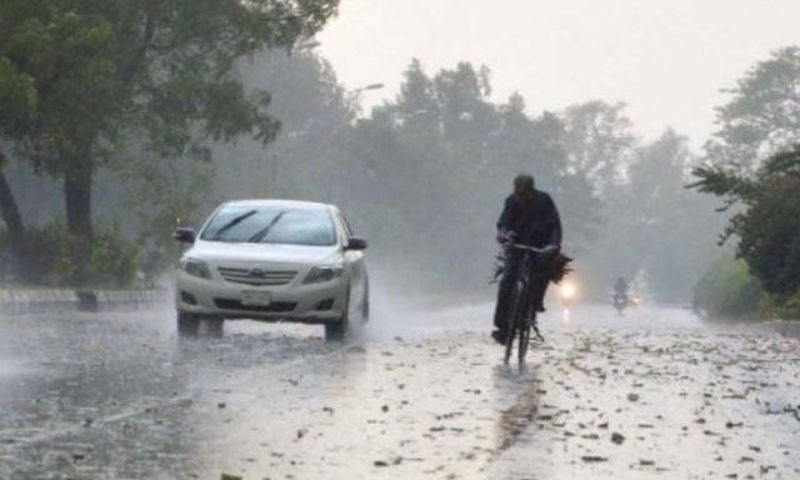
In a separate weather alert issued for Punjab, the PMD has forecast rain-wind and thunderstorms across several parts of the province during the next two to four hours. Citizens have been advised to take necessary precautions and remain updated through official PMD advisories as the weather system may bring gusty winds and localized downpours.
According to the department’s seasonal outlook for the Hindu Kush-Karakoram-Himalaya (HKH) region, precipitation levels from July to September are expected to remain close to historical averages.
Glacier Lake Monitoring Update: Max Air Temperatures Observed Across Glaciated Valleys on July 14, 2026.#PMD #GLOFMonitoring #GlacierLakeMonitoring #PakistanWeather #AirTemperatureUpdate #GlaciatedValleys #GilgitBaltistan #KhyberPakhtunkhwa #NorthernPakistan #GlacierMelt pic.twitter.com/pehmIGqnk7
— Pak Met Department محکمہ موسمیات (@pmdgov) July 14, 2026
This assessment aligns with forecasts from international meteorological bodies, including the International Centre for Integrated Mountain Development (ICIMOD), the Asia-Pacific Economic Cooperation Climate Center (APCC), the Copernicus Climate Change Service (C3S), the International Research Institute for Climate and Society (IRI), and the 34th Session of the South Asian Climate Outlook Forum (SASCOF-34), all of which indicate a tendency toward near-normal precipitation across the northwestern Hindu Kush Himalayan region.
While the near-normal rainfall is expected to support water availability and sustain river inflows originating from northern mountain catchments, authorities have warned of potential hazards associated with above-normal seasonal temperatures.
PMD Weather Alert: Rain-wind/thunderstorm is expected in parts of Punjab during the next 02–04 hours.
Public is advised to take necessary precautions and stay updated through official PMD advisories. #PMD #PakistanWeather #WeatherUpdate #RainAlert #ThunderstormAlert pic.twitter.com/7G5m08KSqA— Pak Met Department محکمہ موسمیات (@pmdgov) July 14, 2026
Warmer conditions may accelerate snow and glacier melt, contributing to enhanced river flows and elevating the risk of localized flooding in vulnerable valleys. Additionally, intense short-duration rainfall events could trigger flash floods, landslides, debris flows, and slope failures, particularly in mountainous terrain.
Read Also: Pakistan Braces for July 1 Monsoon Amid Looming Glacial Flood Threat
Of particular concern is the heightened risk of Glacial Lake Outburst Floods (GLOFs) in high-altitude catchments, as warming conditions may increase the potential for such hazardous events. Communities residing near rivers, streams, steep slopes, and glacial valleys have been urged to remain vigilant and follow advisories issued by relevant authorities throughout the season.
Weekly Weather Outlook (14 –20 July 2026)#PMD #pmdweather #WeatherUpdate #WeeklyWeather #PakistanWeather #RainAlert #thunderstorms #hotweather pic.twitter.com/wJvHyu0IUC
— Pak Met Department محکمہ موسمیات (@pmdgov) July 14, 2026
Overall, the 2026 monsoon season is expected to provide generally favorable moisture conditions across Pakistan’s HKH region.
However, the combination of above-normal temperatures and the possibility of localised heavy rainfall events may increase the risk of hydro-meteorological hazards, underscoring the need for continued preparedness and close monitoring of weather and flood forecasts.