
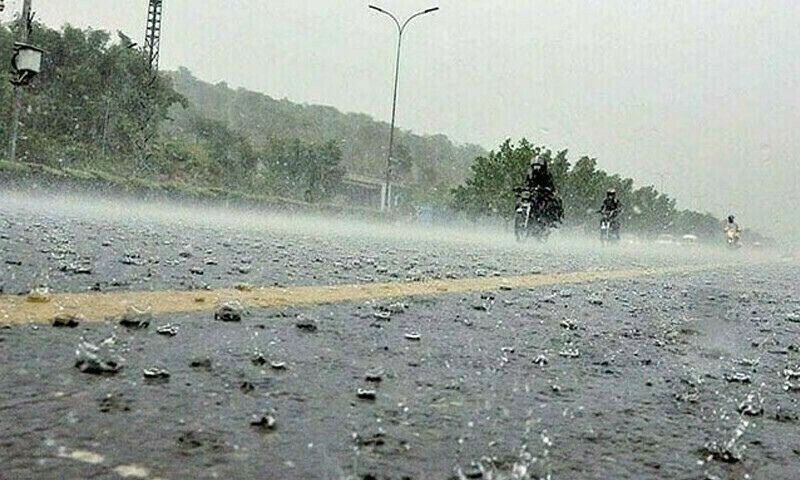
ISLAMABAD: Pakistan finds itself caught between two extremes of the climate crisis as the Pakistan Meteorological Department (PMD) announces the official arrival of the monsoon season from July 1, while simultaneously issuing a stark warning for glacial lake outburst floods (GLOFs) in the country’s mountainous north.
The dual threat underscores Pakistan’s vulnerability to climate-induced disasters, with southern regions bracing for scorching heat and below-normal rainfall, while northern communities face the specter of catastrophic flooding from rapidly melting glaciers.
Monsoon arrives but Sindh faces dry spell and soaring temperatures
The PMD has confirmed that the monsoon season will officially commence across Pakistan from July 1, with the system first affecting northeastern parts of the country, including Punjab and Kashmir. However, Sindh, including Karachi, is unlikely to see any monsoon activity before July 5, according to PMD official Anjum Nazir.
“Several parts of Sindh, including Karachi, are expected to receive below-normal rainfall during the upcoming monsoon season,” Nazir stated, adding that a low-pressure system developing over the Bay of Bengal may influence weather conditions in the province and raise the chances of rain.
عالمی موسمی ماڈلز جولائی کے پہلے 10 دنوں کے دوران اسلام آباد, راولپنڈی، ہزارہ، مردان اور مالاکنڈ ڈویژن میں شدید بارشوں کی پیش گوئی کر رہے ہیں- بارش کی حد 170 سے 210 ملی میٹر کے درمیان دکھائی دے رہی ہے-
پشاور، کوہاٹ، بنوں اور ڈیرہ اسماعیل خان ڈویژن میں 40 سے 80 ملی میٹر تک بارش… pic.twitter.com/7YflqUx8fa
— Amir H. Qureshi (@AmirHQureshi) June 27, 2026
The forecast comes amid expectations of above-normal mean temperatures nationwide, with particularly high probabilities over southern regions stretching from eastern Balochistan and western Sindh to central Punjab.
The PMD warned that these conditions could increase the potential for heat spikes and prolonged heatwave conditions, especially across the plain areas of Sindh, Punjab and Balochistan.
Data for May already painted a worrying picture, with Sindh receiving just 0.3 millimetres of rainfall, 91.3% below its 1991–2020 normal of 3.1 millimetres. The province’s mean temperature stood at 35.2°C, a full 1.0°C above normal. For June, the department expects near-normal to slightly below-normal rainfall across the country, though isolated heavy downpours could still trigger localised urban flooding in major cities, particularly in poorly drained and low-lying areas.
PMD Issues GLOF Alert for Gilgit-Baltistan and Khyber Pakhtunkhwa; High Risk Till First Week of July 2026 #PMD #GLOFAlert #GlacialLakeOutburstFlood #GilgitBaltistan #KhyberPakhtunkhwa #FlashFloodRisk #LandslideRisk #GlacierMelt #HighTemperature #WeatherAdvisory #EarlyWarning pic.twitter.com/c5qaQ3tWwH
— Pak Met Department محکمہ موسمیات (@pmdgov) June 27, 2026
Northern alert: GLOF risk intensifies as temperatures soar
In a separate but equally concerning development, the PMD has issued an urgent alert for glacial lake outburst floods for Gilgit-Baltistan and Khyber Pakhtunkhwa, predicting that soaring temperatures are likely to persist until the first week of July. This significant warming will substantially accelerate snow and ice melt in the glaciated valleys of these regions, creating multiple hazards.
“Consequently, the water level in the river streams is likely to remain high, existing glacial lakes may rapidly expand with an increase in their water levels, and new glacial lakes are likely to form due to the high volume of melted water,” the Met Office warned. Vulnerable downstream locations and low-lying areas adjacent to riverbeds may face a high risk of sudden inundation, with chances of flash flooding in vulnerable locations.
The rapid expansion of glacial lakes could destabilize their natural ice or moraine dams, potentially triggering GLOF incidents. The weather conditions can also trigger heavy mud and debris flows down mountain slopes, with an increase in the likelihood of landslides in steep terrains.
Weather Update for Tourists | 27-06-2026#PMD #Weather #tourism pic.twitter.com/3EVzN9r6RL
— Pak Met Department محکمہ موسمیات (@pmdgov) June 27, 2026
NDMA issues landslide alert as KKH closure expected
The National Disaster Management Authority’s (NDMA) National Emergency Operation Centre (NEOC) has separately issued a landslide alert for Gilgit-Baltistan, upper Khyber Pakhtunkhwa and Azad Jammu and Kashmir from June 27 to July 3.
The authority warned of increased risk of landslides due to possible intermittent rains and rapidly melting glaciers, with possibilities of rockfalls, debris flows and landslides in the aforementioned regions.
Temporary closure of the Karakoram Highway (KKH/N-35), Jaglot-Skardu Road (JSR) and adjoining connecting roads is expected during this period. The NDMA advised citizens to exercise special caution while travelling on mountain streams, valleys and slopes adjacent to glaciers, and to avoid unnecessary travel as landslides may temporarily affect connecting roads, electricity and communications systems.
The NDMA also urged citizens to download the “Pak NDMA Disaster Alert” mobile app for weather conditions, potential hazards and safety measures, while ordering Provincial Disaster Management Authorities to prepare for emergency situations and ensure timely availability of necessary machinery and resources.
KP PDMA takes precautionary measures
In response to the PMD alert, the Khyber Pakhtunkhwa Provincial Disaster Management Authority (PDMA) has issued directives to deputy commissioners of Upper and Lower Chitral, Dir Upper, Swat, Upper and Lower Kohistan, and Mansehra for precautionary measures.
Local authorities have been directed to undertake proactive monitoring and surveillance of vulnerable sites and conduct evacuation drills in at-risk communities.
Authorities have been instructed to ensure that evacuation sites are well-stocked and ready for use, while warning populations in low-lying and at-risk areas through mass awareness campaigns regarding GLOFs. Tourists have been advised against travelling to at-risk areas while the alert is in effect.
Local authorities are also coordinating with relevant departments, including the National Highways Authority, Frontier Works Organisation and the Communications and Works Department, to ensure timely restoration of roads and bridges in case of closures or damage to infrastructure.
PMD Issues GLOF Alert for Gilgit-Baltistan and Khyber Pakhtunkhwa Amid Persisting High Temperatures. #PMD #GLOFAlert #GlacialLakeOutburstFlood #GilgitBaltistan #KhyberPakhtunkhwa #FlashFloodRisk #LandslideRisk #GlacierMelt #HeatAlert #WeatherAdvisory #DisasterRiskReduction pic.twitter.com/PAx60zaGfy
— Pak Met Department محکمہ موسمیات (@pmdgov) June 27, 2026
Growing climate vulnerability
The warnings come earlier this month as the Space and Upper Atmosphere Research Commission (Suparco) identified 130 potentially dangerous glacial lakes with possible risks to downstream settlements from GLOFs.
Separately, the KP health department had instructed hospitals to establish heat wave emergency units for proper management of sunstroke victims due to soaring temperatures.
As Pakistan faces this dual climate threat, scorching heat and water scarcity in the south, and catastrophic flood risks in the north, the coming weeks will test the country’s disaster preparedness and resilience against the backdrop of a rapidly changing climate.