
ISLAMABAD: Oil prices rose sharply at the start of the new week, with Brent crude climbing above $107 a barrel as attacks on commercial shipping and the shutdown of a major Saudi oil pipeline heightened concerns over supplies amid the Strait of Hormuz crisis.
Brent crude futures rose $2.90, or 2.77 per cent, to $107.51 a barrel on Monday, while US West Texas Intermediate gained $2.27, or 2.27 per cent, to $102.32.
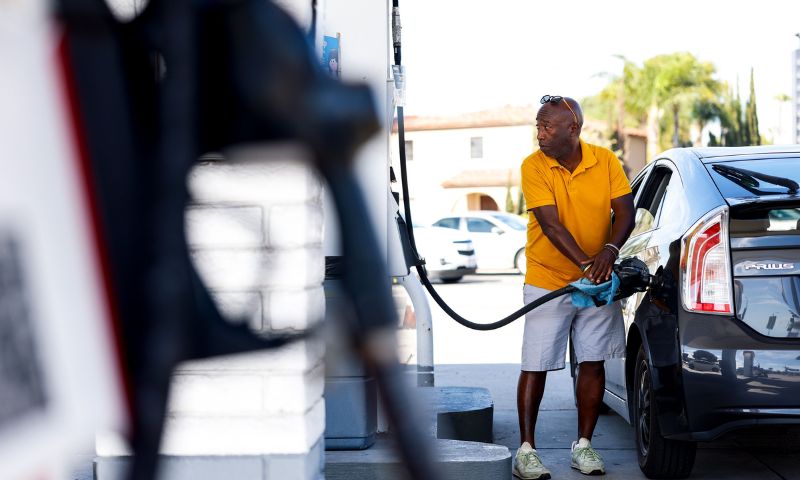
Both benchmarks initially rose more than 3 per cent. Oil prices had gained about 8 per cent during the previous week, taking Brent above $100 for the first time since July.
READ ALSO: Oil Surges 9% in Week Over Hormuz Crisis
The latest increase follows Saudi Arabia’s fresh disruption to its oil-export infrastructure. The kingdom’s East-West pipeline, which provides an alternative route for transporting crude without using the Strait of Hormuz, was shut down after a drone strike.
The outage threatens a route which was transporting millions of barrels of oil a day, and its disruption has heightened concerns over the availability of Gulf crude.
The development is significant because the pipeline has enabled Saudi Arabia to redirect exports away from Hormuz when shipping through the strategic waterway is already disrupted.
The pipeline closure leaves the kingdom more dependent on maritime routes at a time when tanker traffic is already facing heightened security risks.
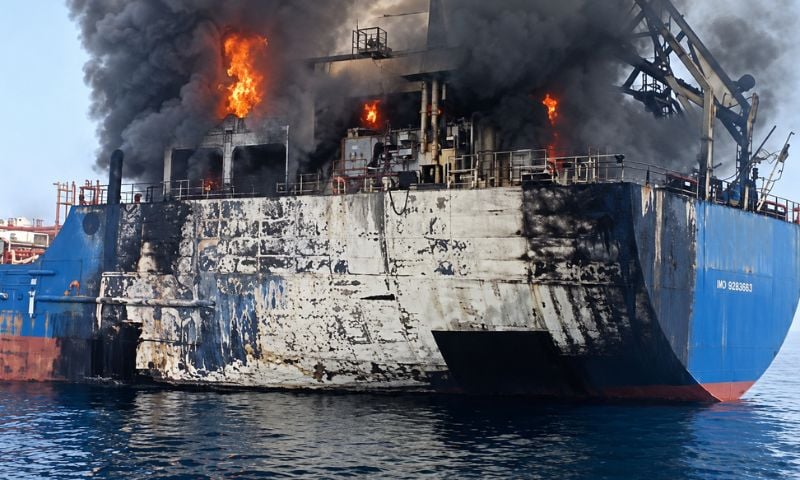
Those risks increased further over the weekend. A ship in the Strait of Hormuz was struck by a projectile, causing a fire and forcing its crew to evacuate, according to the British maritime security agency UKMTO.
Iran also reported that one person was killed and four crew members wounded aboard an Iranian commercial ship struck off its coast.
Pressure on oil supply beyond Hormuz
The pressure is not confined to Hormuz. Yemen’s Houthis reached the strategic island of Perim near the Bab el-Mandeb Strait, another important oil and shipping corridor.
The route has carried about 4 to 5 per cent of global oil supplies in recent months, according to a Reuters report.
The combination of disruptions has pushed the oil market into heightened volatility. Brent’s move above $100 last week marked a significant increase from the weaker price environment earlier in the year. Traders are now closely watching the Saudi pipeline outage and shipping through the Strait of Hormuz and Bab el Mandeb.
The diplomatic track also provided no immediate relief. Oman’s foreign minister said a scheduled Monday meeting between Gulf countries and Iran to discuss the Strait of Hormuz had been postponed.
The market is therefore dealing with both physical and geopolitical constraints. The pipeline outage has threatened oil supply, while attacks on ships and uncertainty over Hormuz are raising the risks and costs of moving crude through the region.
Analysts are watching the $119.48 Brent level reached in early March as an important reference point.
IG market analyst Tony Sycamore said prices could extend gains towards that level if the Saudi pipeline is not restored quickly and talks fail to produce an operational arrangement.
At the same time, US President Donald Trump has maintained that oil prices will fall sharply once the Iran war ends. His assessment reflects the possibility that the geopolitical premium currently embedded in crude prices could unwind if shipping and production are even partially restored.
However, a return to normal shipping at pre-war levels would certainly take some time, even after a peaceful resolution of the multipronged conflict in the Middle East.
For now, however, the physical market remains under pressure. Brent is above $107 a barrel, WTI has crossed $102, Saudi Arabia’s alternative export route is disrupted, and shipping through the region remains exposed to attacks.