


Key Points
• Incident raises fresh concerns over global supply chains
• Markets already volatile due to Strait of Hormuz disruptions
• Analysts warn of compounded pressure on oil logistics and prices
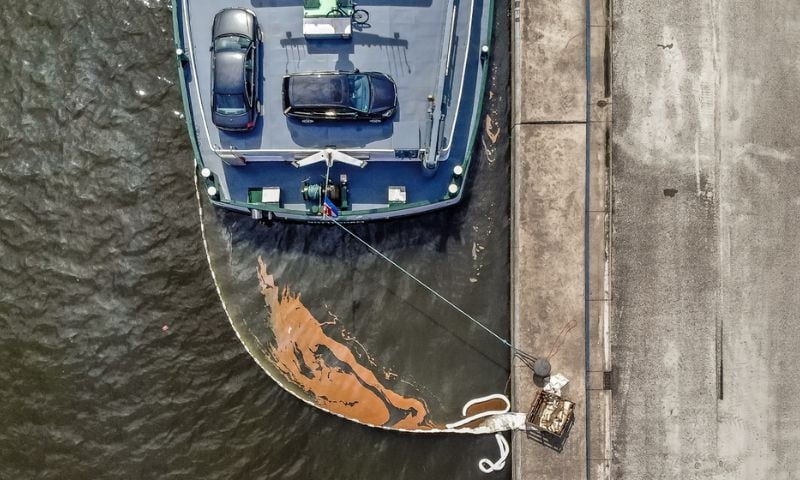
ISLAMABAD: A major oil spill has halted most shipping traffic at the Port of Antwerp-Bruges in Belgium, disrupting one of Europe’s key energy and cargo hubs and adding fresh uncertainty to already volatile global oil markets.
Authorities in Antwerp suspended vessel movements after the spill, as containment and cleanup operations got underway, effectively choking a critical artery for crude oil and refined fuel flows into and out of Europe.
Preliminary reports indicate the spill may have been caused by a loading or transfer mishap involving a tanker at the Port of Antwerp-Bruges, where crude or refined fuel is pumped between vessels and storage facilities under high pressure.
Industry sources say such incidents can occur due to equipment failure, valve malfunction or human error during routine operations, though authorities have not ruled out structural issues with pipelines or storage tanks.
Investigations are underway to determine the exact cause, with officials focusing on whether safety protocols were breached or if mechanical faults triggered the leak.
The disruption comes at a particularly sensitive moment for global energy markets, which are already under strain due to instability in the Strait of Hormuz, a narrow maritime corridor through which roughly one-fifth of the world’s oil supply passes.
Traders say the Antwerp incident, though geographically distant from the Gulf, could have an outsized impact by tightening supply chains already stretched by rerouting, delays and higher insurance costs linked to the Middle East conflict.
The port of Antwerp-Bruges is among Europe’s largest petrochemical and energy transit hubs, handling significant volumes of crude, liquefied gases and refined petroleum products.
Any prolonged shutdown could disrupt refinery operations and fuel distribution across the continent.
Market participants noted that the timing of the spill amplifies its impact, as oil prices continue to fluctuate in response to fragile ceasefire conditions, leading to Pakistan-brokered peace talks in Islamabad between the United States and Iran and uncertain tanker flows through the Gulf.
“The system is already under pressure. Any additional disruption, even outside the conflict zone, feeds into price volatility,” energy analysts say.
Shipping companies are now assessing delays and potential rerouting options, though alternatives are limited given congestion at other major European ports.
The incident also raises environmental concerns, with authorities racing to contain the spill and minimise ecological damage in one of Europe’s busiest maritime zones.
With supply routes facing simultaneous risks in both Europe and the Middle East, analysts warn that oil markets may remain highly sensitive in the coming days, with even localised disruptions capable of triggering global price reactions.