
Key Points
- US states accuse Meta of deliberately keeping young users engaged longer
- Arturo Bejar says optional safeguards reduced their effectiveness for users
- Meta denies allegations and says it developed protections with experts
- Zuckerberg and Instagram chief Mosseri are expected to testify at trial
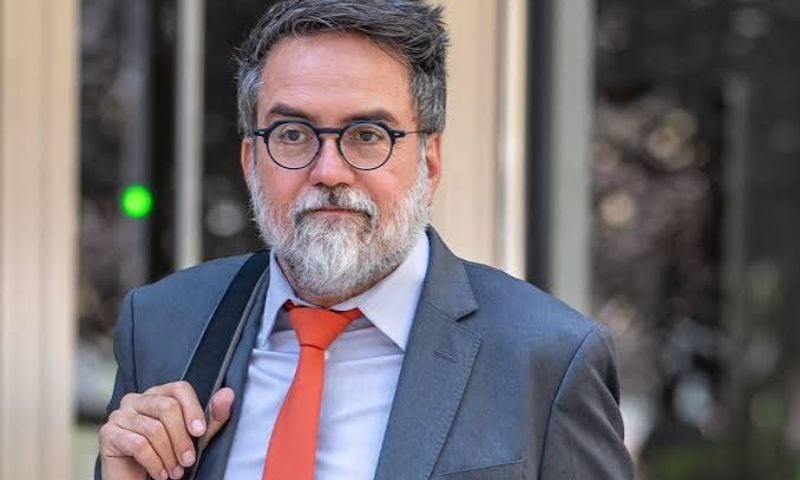
OAKLAND: A former Meta executive has testified that some safety features introduced by the social media giant were “designed to fail”, as the company faces accusations that Facebook and Instagram deliberately hooked young users while putting profits ahead of their wellbeing.
Arturo Bejar, a former Meta engineering director, made the claim on Wednesday during the second day of a landmark trial in California brought by a coalition of US states.
The states accuse Meta of designing its platforms to keep children engaged for longer, collecting their data and misleading the public about potential harms. Meta denies the allegations and says it has introduced safeguards developed with parents, experts and law enforcement.
A defeat could expose Meta to penalties of around $200 billion and potentially force major changes to its platforms and business practices.
Safety features questioned
Bejar challenged Meta’s argument that it had taken meaningful steps to reduce harmful experiences.
He singled out Instagram’s “Take a Break” feature, introduced in 2021 to allow users to receive reminders to stop scrolling.
“In my experience, ‘Take a Break’ is a feature that’s designed to fail,” Bejar testified.
He argued that making such safeguards optional reduced their effectiveness and said Meta’s broader business incentives encouraged users to spend more time on its platforms.
Bejar also criticised notifications designed to bring users back to Facebook and Instagram, saying they were intended to increase engagement and revenue rather than protect users’ mental health or safety.
ALSO READ: Meta Faces $200 Billion Claim as Landmark Social Media Trial Begins
Meta unsuccessfully attempted to prevent Bejar from testifying before the trial.
California prosecutor Megan O’Neill earlier accused Meta of pursuing a strategy to “hook” users, keep them online and harvest their data while concealing the risks.
Meta lawyer Paul Schmidt countered that the company recognised that some people struggle with social media use and had developed tools intended to address those problems.
The case has drawn comparisons with the landmark litigation against US tobacco companies in the 1990s because of its potential impact on industry practices.
Meta CEO Mark Zuckerberg and Instagram chief Adam Mosseri are among prominent figures expected to testify during the trial, which is scheduled to last about six weeks.