Key points
- Trump says US-Iran talks are underway.
- Tehran denies direct negotiations with Washington.
ISLAMABAD: Shipping traffic through key Gulf waterways remained subdued at the start of the week as conflicting accounts over US-Iran diplomacy kept ship operators cautious, according to shipping data and media reports.
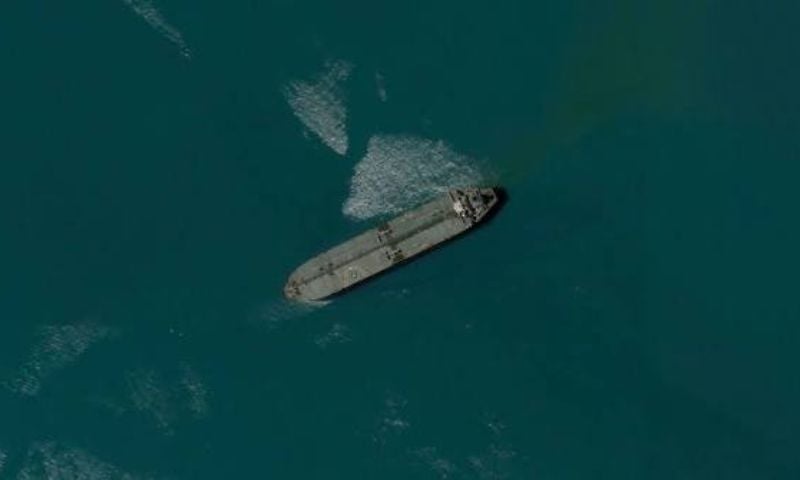
Twenty vessels — 12 tankers and eight bulk carriers — passed through the Bab el-Mandeb on Monday, with eight entering and 12 leaving the strategic waterway, according to Kpler data cited by international media.
Traffic through the Strait of Hormuz was slightly lower, with six vessels — three tankers and three bulk carriers — recorded on Monday, compared with seven a day earlier. All six used the Iranian route.
The uncertainty over US-Iran talks has complicated the outlook for shipping. US President Donald Trump has said negotiations with Tehran were underway, but Iran has insisted that no direct talks with Washington were taking place.
ALSO READ: Red Sea Shipping Slows Amid Houthi Threats to Bab al-Mandab
Iranian Foreign Ministry spokesman Esmaeil Baghaei said Tehran was instead discussing maritime arrangements with Oman, including measures to facilitate safe passage through the Strait of Hormuz, Reuters reported.
Conflicting Iran-US accounts weigh on shipping
The conflicting accounts have left the prospects for a diplomatic breakthrough unclear, despite Trump’s decision to postpone a planned major attack on Iran and his repeated calls for negotiations.
The security situation has also continued to weigh on shipping. A cargo vessel reported being struck by an unidentified projectile near Al Khasab, Oman, in the Strait of Hormuz, according to the Associated Press.
The Strait of Hormuz is one of the world’s most important energy chokepoints, normally carrying about one-fifth of global oil and liquefied natural gas supplies. Any prolonged disruption could raise shipping and energy costs and add pressure to global markets.
Bab el-Mandeb is also a crucial trade route linking the Arabian Gulf and the Red Sea with European and Asian markets. Persistent insecurity in either waterway can force vessels to divert, increasing voyage times, fuel consumption and freight costs.