
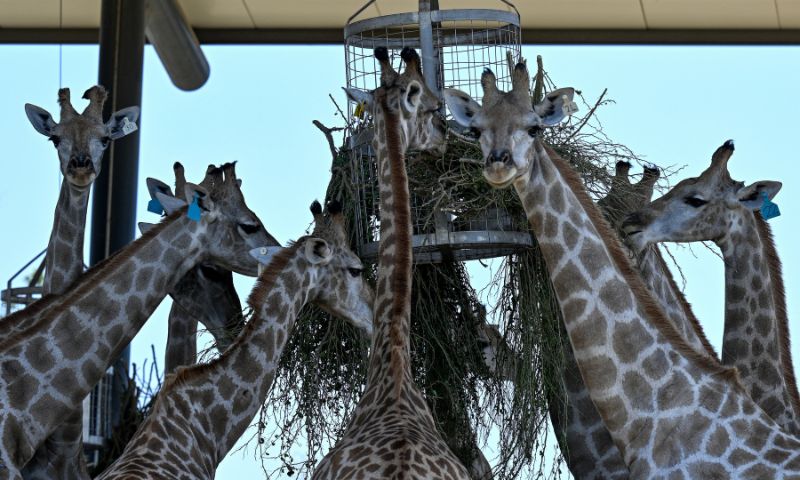
JAMNAGAR, India: India’s Vantara, one of the world’s largest private animal rescue facilities, is facing growing international criticism over its acquisition of rare and endangered wildlife, the transparency of its animal transfers and the ethics of keeping thousands of wild animals in captivity.
Located in Gujarat’s Jamnagar district, the facility was established by Anant Ambani, son of billionaire Mukesh Ambani. It describes itself as a wildlife rescue and rehabilitation centre, but conservation organisations say its enormous collection raises serious questions about whether animal welfare and conservation are being prioritised over the expansion of a private wildlife collection.
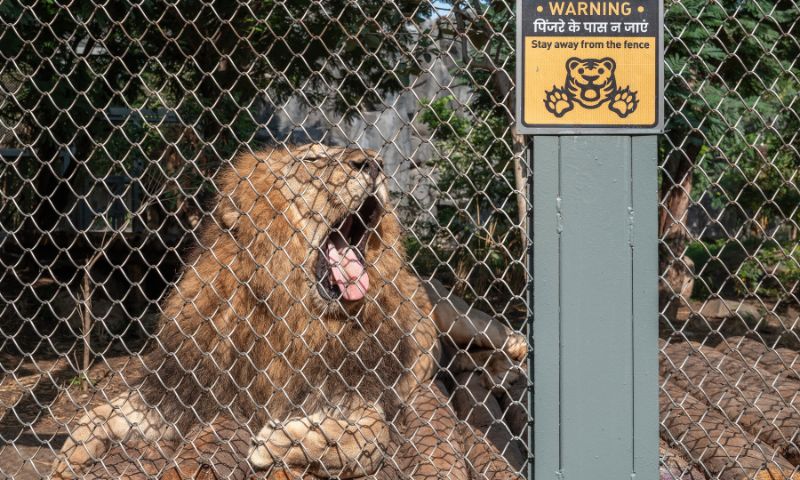
Vantara claims to house more than 150,000 animals representing over 2,000 species, brought from at least 30 countries. Its collection includes elephants, lions, tigers, cheetahs, primates, reptiles and rare birds.
However, critics say the origins of many animals remain insufficiently documented, while the scale and speed of acquisitions risk encouraging the international trade in endangered species.
Questions Over Animal Origins
The controversy has drawn attention from the secretariat of the Convention on International Trade in Endangered Species of Wild Fauna and Flora (CITES), the international treaty regulating trade in threatened wildlife.
Last year, CITES raised concerns that some animals recorded as captive-bred might not actually have been bred in captivity. It warned that Vantara should not inadvertently become a driver of illegal wildlife harvesting.
Among the cases attracting scrutiny are critically endangered tortoises transferred from a German commercial breeder through a defunct zoo in Togo and Belgium before arriving in India.
The transfer of Spix’s macaws, a Brazilian parrot extinct in the wild, also raised questions after the birds were moved from Germany without the consent required from Brazil, according to reports.
Another disputed case involves a Tapanuli orangutan, one of the world’s rarest great apes, with only around 800 believed to remain in the wild. The animal was listed as captive-bred, although experts cited in the report said they knew of no established captive-breeding programme for the species. Vantara has disputed its identification as a Tapanuli orangutan.
Rescue Centre or Private Zoo?
Animal-rights campaigners argue that providing sophisticated veterinary facilities does not automatically make the large-scale captivity of wild animals ethical.
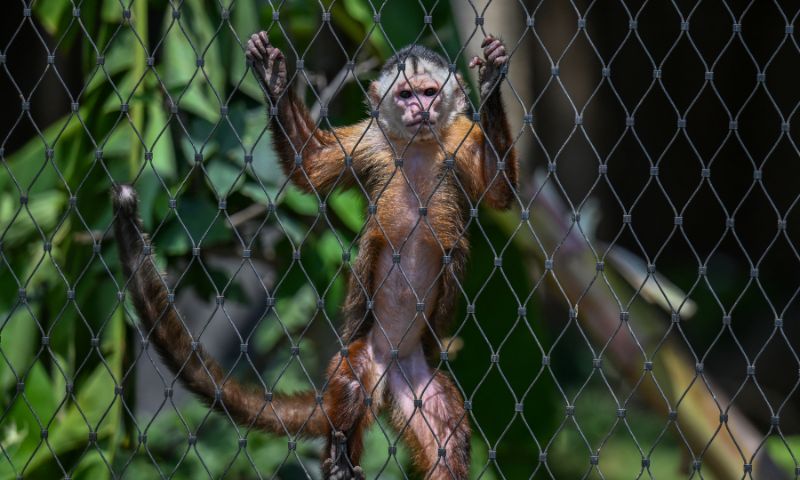
They question whether animals that could potentially be protected in their natural habitats should instead be transported across borders and kept in a privately controlled facility.
The concerns go beyond the physical conditions in which animals are kept. They also involve the stress of transportation, separation from natural environments, opportunities for normal behaviour and the long-term consequences of captivity for endangered species.
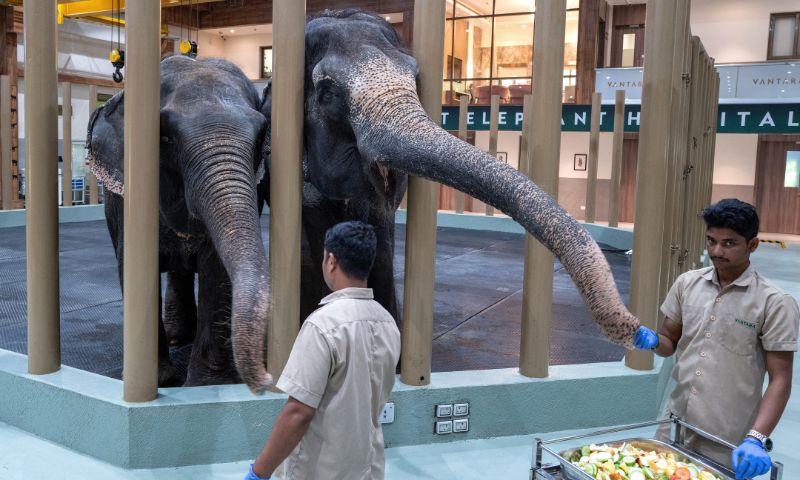
Vantara, however, points to its specialised veterinary infrastructure, including an elephant hospital with operating facilities and hydrotherapy pools, as evidence of its commitment to animal welfare.
The centre says its mission is to rescue, treat and rehabilitate animals, particularly those injured, abused or unable to survive independently.
Conservation Groups Demand Transparency
The criticism has intensified despite Vantara’s announcement that it has halted imports and intends to redirect more resources towards conservation in animals’ countries of origin.
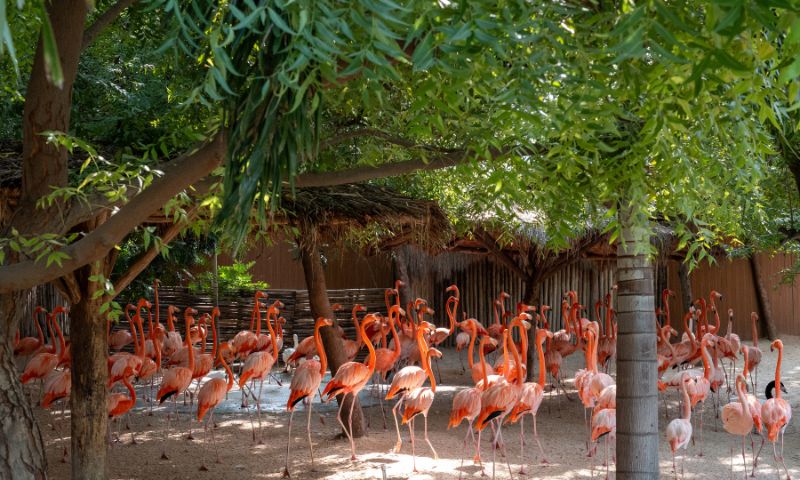
In a joint letter, 27 international conservation organisations welcomed the proposed shift but called for measurable reforms, including full public transparency over the origins of every animal.
Daniela Freyer of Pro Wildlife, who helped draft the letter, said the organisation was monitoring whether the centre would honour its commitments. She also called for consequences wherever wildlife trade rules had been broken.
In August, Vantara appointed former CITES secretary-general John Scanlon to chair a new governing council overseeing animal acquisitions. Scanlon said he wanted to put safeguards in place to ensure the concerns raised about the facility were not repeated.
The CITES Secretariat has also said India suspended imports of the most endangered species while introducing new due-diligence procedures. However, questions remain over animals including elephants, chimpanzees and the Tapanuli orangutan.
Legal Clearance Does Not End Debate
Vantara has defended its operations, citing a 2025 Supreme Court-ordered investigation that found no evidence of a breach or offence by the centre.
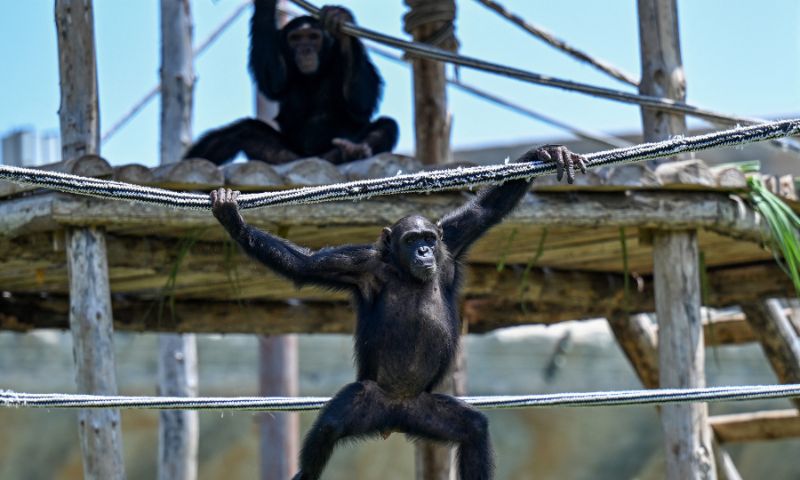
Its chief executive, Vivaan Karani, has insisted that the facility has never broken the law and says its approach is increasingly focused on supporting animals in their countries of origin rather than bringing them to India.
But legal clearance does not necessarily resolve the wider ethical debate over wildlife captivity, international animal transfers and the role of private institutions in conservation.
For animal-rights campaigners, the central question is not simply whether animals receive food, medical treatment and spacious enclosures. It is whether their freedom, natural behaviour and long-term welfare are being protected.
As scrutiny continues, Vantara faces a challenge beyond defending its record: demonstrating that its model puts wildlife conservation ahead of the accumulation of rare animals.