
ISLAMABAD: Some of India’s biggest media organisations, including networks owned by billionaires Mukesh Ambani and Gautam Adani, have joined a legal battle against Prime Minister Narendra Modi’s government over a controversial data protection law.
The Digital News Publishers Association (DNPA), representing 21 news publishers, has approached the Supreme Court seeking to strike down provisions of the Digital Personal Data Protection (DPDP) Act and its accompanying rules.
The association argues that the legislation lacks adequate exemptions for journalistic activities and could seriously undermine investigative reporting, expose confidential sources and restrict access to information.
The coalition includes Network18, NDTV, The Indian Express and Times Internet, bringing major media groups into a challenge previously driven largely by journalists, digital rights activists and independent publishers.
India’s media landscape has become increasingly contentious under Prime Minister Narendra Modi, with independent outlets and journalists facing tax investigations, regulatory action and legal challenges that press freedom groups say threaten editorial independence.
Several independent media organisations, including the BBC, NewsClick, Dainik Bhaskar and Newslaundry, have faced searches and investigations by Indian government agencies, including the Income Tax Department and Enforcement Directorate.
Press freedom groups have criticised these actions as attempts to intimidate critical media, while the government maintains they are legitimate law-enforcement and financial compliance measures.
Consent and Censorship
At the centre of the dispute are provisions governing the collection, processing and deletion of personal data.
The publishers argue that journalists could be required to obtain consent from individuals before using their personal information in investigations.
They say such requirements could allow people under investigation to obstruct reporting, destroy evidence or intimidate sources.
The association has also challenged provisions allowing individuals to withdraw consent and request the deletion of personal data, arguing that these could be used to force news organisations to remove legitimate investigative reports from their archives.
Confidential Sources
The petition also questions government powers to demand information from organisations, arguing that the provisions could expose journalists’ raw data and confidential sources.
The publishers further contend that changes to the Right to Information Act could restrict access to personal information even when it concerns matters of public interest or the conduct of public officials.
They argue that the absence of a specific journalistic exemption places news organisations at a disadvantage while limiting their ability to hold powerful individuals and institutions accountable.
Supreme Court Notice
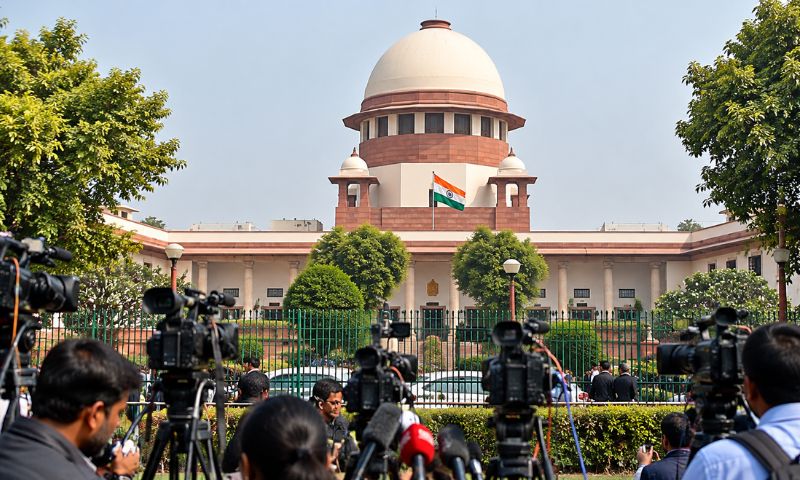
On October 27, the Supreme Court issued notice to the central government seeking its response to the DNPA petition.
A three-judge bench led by Chief Justice Surya Kant also heard the association’s request for interim relief but declined to grant a stay without hearing the government.
The court stressed the need to balance citizens’ privacy rights with press freedom. The case is scheduled for further hearing on November 17.
The government’s response to the latest petition is awaited.
The legal challenge marks a significant development in India’s media landscape, bringing major corporate-owned news networks and other established publishers together over the future of digital journalism and access to information.
The growing dispute also reflects a wider struggle over press freedom, government regulation, media ownership and the ability of journalists to hold those in power accountable.