
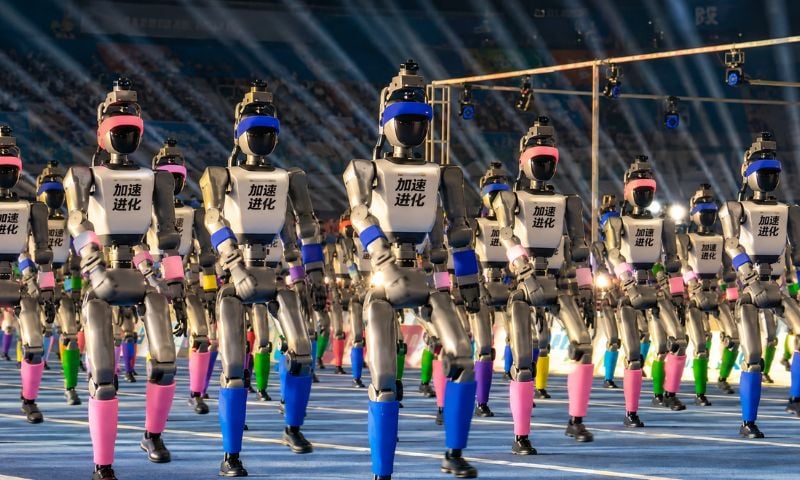
BEIJING: Humanoid robots have been rehearsing synchronised marching formations, drum performances and other routines ahead of the second World Humanoid Robot Games, which begin in Beijing today and run until August 26.
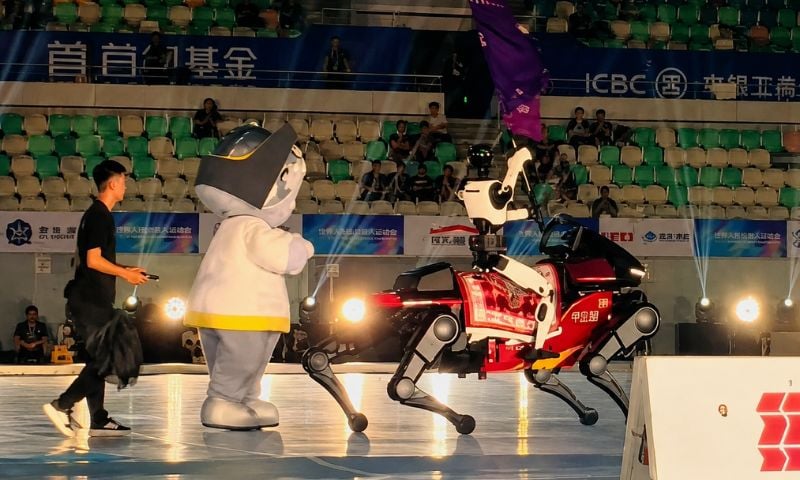
Rehearsals at the National Speed Skating Oval, known as the “Ice Ribbon”, featured rows of humanoid robots practising formation drills and performing alongside human musicians ahead of the opening ceremony.
Sneak peek of robot marching formations! Rehearsals are in full swing for the 2nd World Humanoid Robot Games in Beijing on Aug 22‑26. Stay tuned for more.#Chinarobot #China #WHRG #Beijing pic.twitter.com/ncfGpQq4Q1
— Global Times (@globaltimesnews) August 21, 2026
The five-day event is expected to bring together 666 teams and 2,056 robots, marking a major expansion from the inaugural competition. Organisers have scheduled more than 1,300 competition sessions across 51 events.
Robots face tougher tests
This year’s Games will place greater emphasis on autonomy and practical performance rather than remotely controlled demonstrations.
The 100-metre race has been upgraded to require fully autonomous robots, while scenario-based competitions encourage machines to independently recognise surroundings, make decisions and complete tasks.
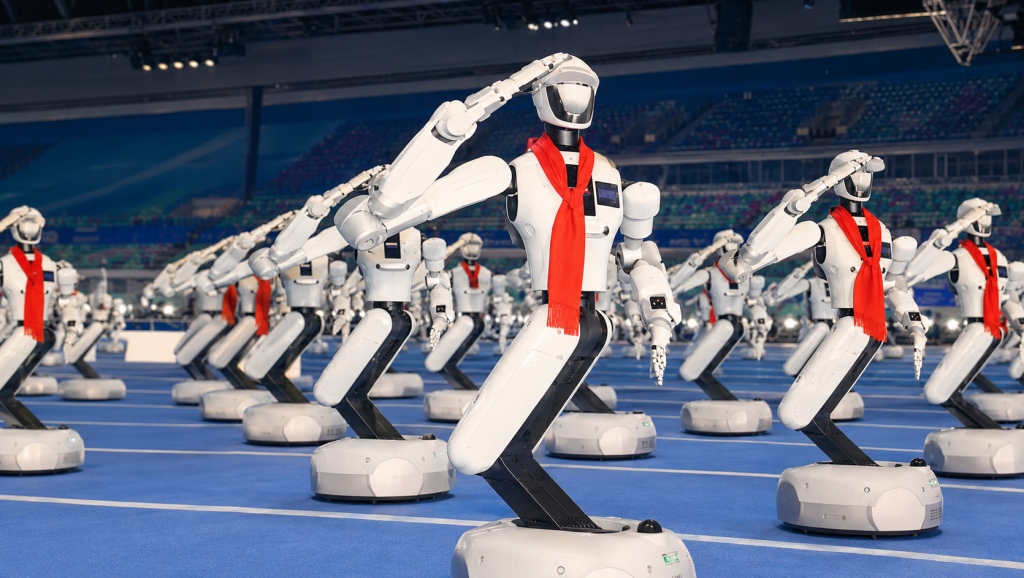
Events range from athletics, football, martial arts, gymnastics and dancing to practical challenges involving housekeeping, firefighting, healthcare, factories and retail services.
ALSO READ: China’s Traffic Robots Hit the Streets as Humanoid Cops Take Over Intersections
New dance contests will include street dance, cheerleading, waltz and samba, with some routines requiring pairs of humanoid robots to coordinate their movements.
Unlike many previous robotics competitions, several scenario-based events will take place in realistic environments such as factories, hotels and model homes, testing whether robots can perform complex tasks continuously without human intervention.
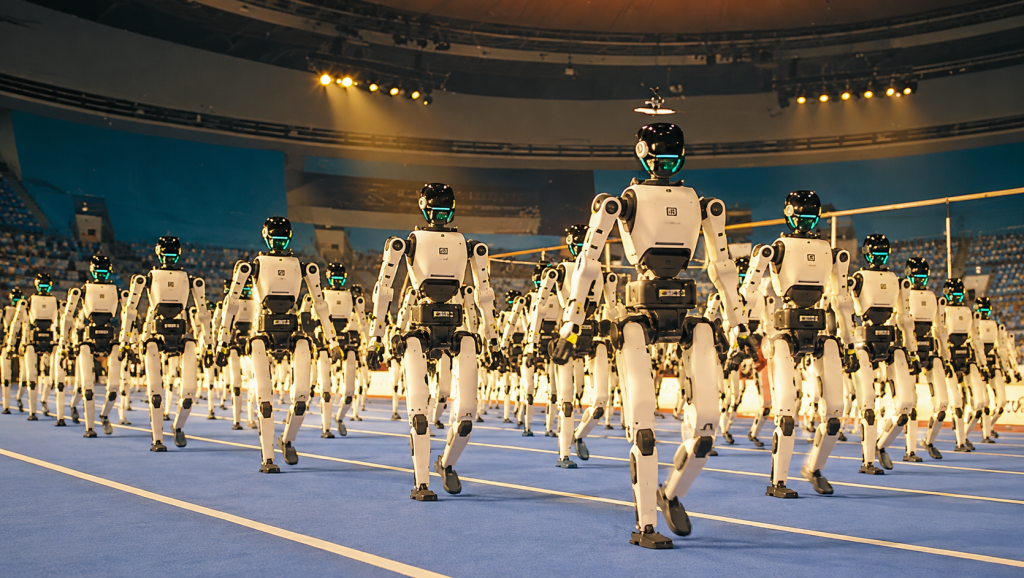
The Games come as China accelerates investment in humanoid robotics and artificial intelligence. Beijing is home to nearly a quarter of China’s complete humanoid robot manufacturers and has identified robotics as a strategic technology sector.
The competition is also unfolding amid an intensifying global race to turn humanoid robots from eye-catching prototypes into commercially useful machines.
For developers, the Beijing event provides a high-profile testing ground where speed, balance, dexterity and artificial intelligence will be judged under increasingly demanding conditions.