ISLAMABAD: Pakistan’s soft image is gaining renewed global attention during the Islamabad Talks, with visiting foreign journalists and commentators highlighting the country’s hospitality, culture and lived experiences — often in contrast to long-standing perceptions shaped by Bollywood and Indian media narratives.
As Pakistan hosted high-level negotiations between the United States and Iran, international correspondents covering the talks shared first-hand experiences that presented a markedly different picture of the country from the one often portrayed in popular culture.
Good bye #Islamabad, and thank you for your hospitality, 48 hours across the other side of the world was worth it . I will come back again as a tourist , amazing people . #Pakistán #Iran talks . pic.twitter.com/hoECrrUmHf
— Nadia Bilbassy Charters ناديا البلبيسي (@nadia_bilbassy) April 13, 2026
Many visiting journalists took to social media to praise the warmth and professionalism they encountered. Prominent journalist Nadia Bilbassy Charter thanked Islamabad for its hospitality, writing that her visit was “worth it” and expressing a desire to return as a tourist, calling Pakistanis “amazing people”.
US journalist
Similarly, US journalist Caitlin Doornbos openly shared her positive experience, stating: “I have fallen in love with Pakistan!” In another post, she added: “Was never nervous to come to Pakistan! But I have been very impressed by the Pakistanis,” reflecting a growing sentiment among foreign visitors experiencing the country first-hand.
Caitlin Doornbos, New York Post’s Pentagon reporter in Islamabad covered Islamabad Talks.
While covering the Islamabad talks,she beautifully embraced Pakistani traditional attire — truly graceful and stunning ❤️❤️❤️ @CaitlinDoornbos@javerias pic.twitter.com/b2mDFEUY56— Fouzia Ali (@fouziazaib) April 12, 2026
Beyond individual impressions, analysts and commentators also pointed to a broader shift in perception. Former US diplomat Jon Danilowicz noted that one of the most striking aspects of the Islamabad Talks was the “universally positive experience” of journalists visiting Pakistan, suggesting that the country’s openness and hospitality could have lasting diplomatic dividends.
Sir, people in Pakistan are known for their warm hospitality their “mehman nawazī” is truly admirable. They also lead a decent lifestyle.
The image we’ve grown up seeing, largely shaped by Bollywood, doesn’t always reflect reality. While we often mock or criticize them, they… https://t.co/lsgZdGjqnE
— Rattan Dhillon (@ShivrattanDhil1) April 13, 2026
Some voices also directly challenged long-held stereotypes. Social media users from across the region acknowledged that the image of Pakistan many had grown up with — often shaped by Bollywood — “doesn’t always reflect reality,” highlighting the gap between perception and lived experience.
Respect and hospitality
Observers noted that Pakistan’s culture of respect and hospitality, often described locally as mehman-nawazi, played a key role in reshaping these views.
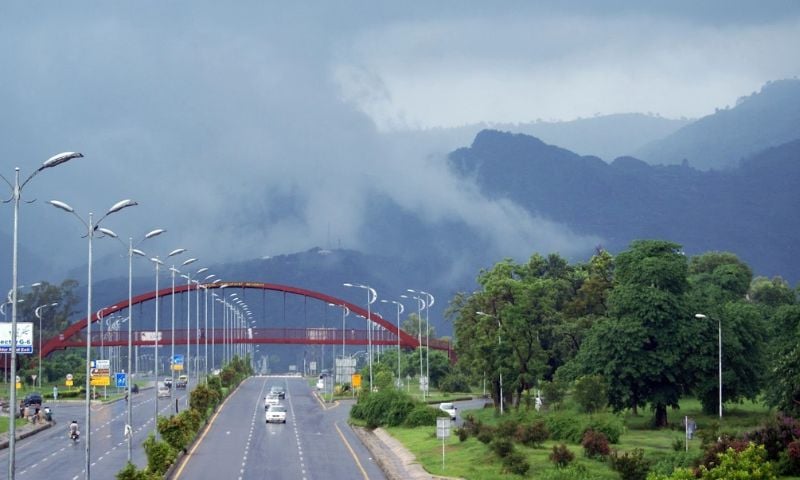
Visitors frequently shared moments from daily life, including local cuisine, interactions with residents and coverage from iconic locations such as the Faisal Mosque, offering global audiences a more nuanced image of the country.
Goodbye – for now – Islamabad . It was good to be back. And looks like there will be more #IslamabadTalks #iran #USA pic.twitter.com/oB9ZK0DOGq
— lyse doucet (@bbclysedoucet) April 14, 2026
At the same time, Pakistan’s role as a diplomatic facilitator added further weight to this evolving narrative.
Analysts emphasised that Islamabad not only provided a neutral venue for dialogue but also demonstrated its ability to create space for engagement at a time of heightened regional tensions.
Hospitable society
“Pakistan deserves credit for showing that measured diplomacy still matters,” analyst Hassan Abbas noted, adding that Islamabad had “opened space for dialogue where others saw only deadlock.”
While negotiations between Washington and Tehran remain complex, the Islamabad Talks have done more than advance diplomacy.
They have also helped project a softer, more authentic image of Pakistan — one that contrasts with outdated portrayals and highlights the country’s role as both a hospitable society and an emerging diplomatic hub.