









Key Points
- SBP foreign exchange reserves rose by nearly $5 billion since February
- Combined national reserves reach $26.86 billion, with $5 billion held by commercial banks
- Remittances, central-bank dollar purchases and external financing support resilience
- Trade and debt pressures persist
ISLAMABAD: Pakistan has strengthened its capacity to withstand external economic shocks, adding up $5 billion in central bank foreign exchange reserves since the outbreak of the Gulf conflict on February 28.
Turning the challenge into an opportunity, Pakistan built up foreign exchange reserves despite heightened uncertainty over energy supplies, international trade, and global financial conditions.
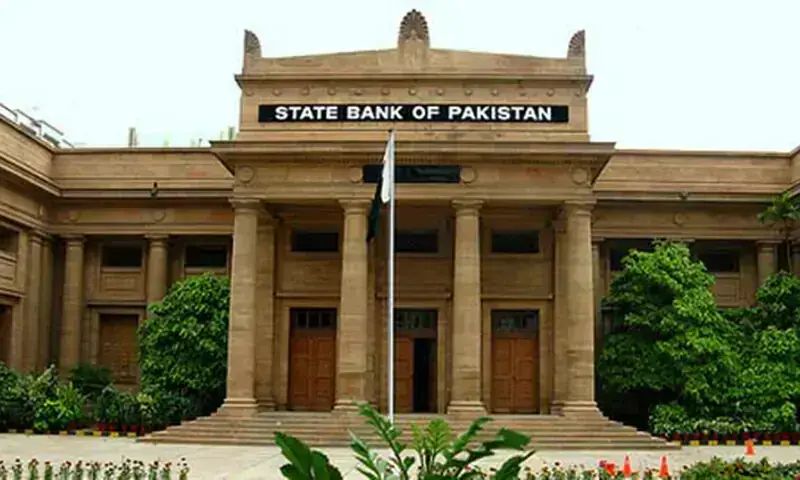
The State Bank of Pakistan (SBP) held $21.5612 billion in foreign exchange reserves on October 30, up from $16.568 billion in February.
Including $5.3033 billion held by commercial banks, the country’s total liquid foreign exchange reserves reached $26.8645 billion, according to the central bank’s latest weekly statement.
READ ALSO: State Bank of Pakistan Keeps Policy Rate Unchanged at 11.5 Per cent
The improvement substantially strengthened Pakistan’s external financial position against higher international energy costs and disruptions to regional trade routes threatening economies dependent on imported fuel.
More importantly, it gives the country room to meet international payment obligations. The reserves are also essential for imports and to manage pressure on its currency without immediately resorting to emergency external financing.
How Pakistan has strengthened its financial defences
The improvement reflects several sources of foreign exchange inflows, including workers’ remittances, central-bank purchases from the domestic market and external financing from international and bilateral partners.
Remittances from overseas Pakistanis have remained a particularly important source of foreign currency.
These transfers help finance the country’s import requirements and support the balance of payments by bringing dollars into the domestic banking system.
The SBP has also been purchasing foreign currency from the domestic interbank market to replenish its reserves.
Such purchases allow the central bank to accumulate dollars when foreign currency is available in the market, strengthening its capacity to manage external payments and periods of heightened demand.
External financing and continued engagement with multilateral and bilateral lenders have provided additional support.
Together, these inflows have helped Pakistan improve its foreign exchange position and reduce its immediate vulnerability to disruptions in international financial and commodity markets.
Why the Gulf conflict matters to Pakistan
Pakistan’s dependence on imported energy makes the Gulf conflict a particularly serious external risk.
Higher international oil and gas prices increase the dollars required to purchase fuel, even when import volumes remain unchanged.
Disruptions to shipping routes can add freight, insurance and transportation costs, further increasing the country’s import bill.
The impact extends beyond energy purchases. More expensive fuel raises transportation and electricity-generation and production costs for both households and businesses. It also contributes to domestic inflation.
For an economy with substantial external debt obligations, these developments can quickly increase demand for foreign currency and put pressure on the exchange rate.
Pakistan’s resilience does not mean immunity
Pakistan’s improved reserve position marks a significant departure from earlier periods of depreciated local currency. Pakistan faced difficulties securing external financing.
However, the improvement should not be taken as the elimination of those structural weaknesses.
The country continues to face a substantial merchandise trade deficit, reflecting its dependence on imported energy, machinery, industrial inputs and consumer goods, while its export base remains relatively narrow.
External debt repayments also require substantial foreign currency resources. Remittances and fresh external financing help meet these requirements, but sustainable reserve accumulation ultimately depends on the country’s ability to generate foreign exchange through exports, investment and productive economic activity.
The latest figures nevertheless demonstrate that Pakistan has entered the current period of geopolitical and energy-market uncertainty with a stronger external financial cushion than in previous episodes of comparable vulnerability.
The challenge now is to preserve that resilience by expanding exports, attracting investment, maintaining remittance inflows, managing external debt and reducing dependence on imported energy.