ISLAMABAD: India’s youth-led protest movement has emerged as one of the most significant political challenges to Prime Minister Narendra Modi’s government, forcing the resignation of Education Minister Dharmendra Pradhan and exposing growing dissatisfaction among young voters ahead of crucial state elections.
The protests, initially triggered by repeated examination paper leaks, rapidly expanded into a nationwide movement highlighting broader concerns over unemployment, governance and the future of young Indians.
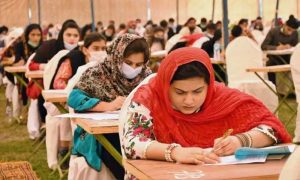
Demonstrations spread from New Delhi to several major cities, with thousands of students demanding accountability after allegations of irregularities in competitive examinations affecting millions of candidates.
The resignation of Pradhan marked a rare political retreat for the Bharatiya Janata Party (BJP), which has rarely removed senior ministers under public pressure during Modi’s tenure.
Protest organisers subsequently called off demonstrations after achieving their principal demand, although they said broader education reforms and justice for affected students remain unresolved.
Political observers say the movement demonstrated the growing influence of Generation Z, particularly through social media platforms such as Instagram, where the Cockroach Janta Party (CJP), a youth-led campaign group, rapidly gained millions of followers.
Analysts believe the protests revealed changing political dynamics, with many participants drawn from demographics traditionally viewed as supportive of the BJP.
ALSO READ: How Cockroach Movement Badly Damaged Modi
Experts argue that while examination paper leaks triggered the unrest, deeper frustrations over employment opportunities, economic uncertainty and governance helped sustain the movement.
The protests also challenged the government’s communication strategy, as criticism spread widely across digital platforms despite official assurances that action was being taken against those responsible for the examination scandals.
The developments come as India prepares for important state elections, where political analysts believe youth sentiment could play an increasingly decisive role.
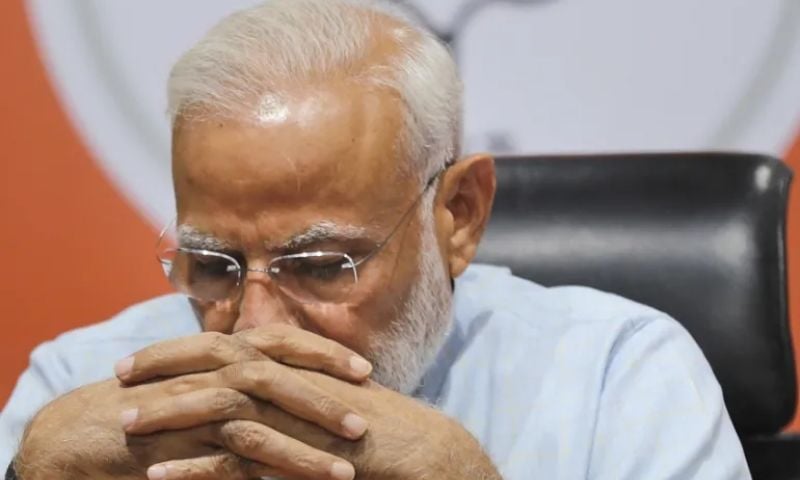
Some observers suggest the protests have weakened the perception of Modi’s political invincibility by demonstrating that sustained public pressure can compel policy concessions and ministerial accountability.
Although the protests have ended, analysts say their political impact is likely to extend well beyond the immediate controversy, with youth participation and digital mobilisation expected to remain key factors in India’s evolving political landscape.