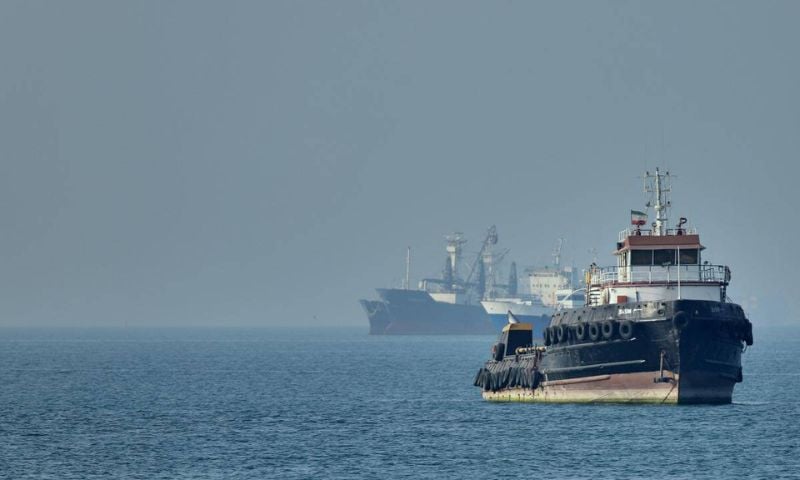
SINGAPORE: Commercial shipping through the strategically vital Strait of Hormuz remained severely subdued on Tuesday, despite a modest increase from the weekend, as stalled US-Iranian peace talks continued to cast uncertainty over maritime traffic through the key waterway.
Preliminary shipping data released on Tuesday showed that six commodity ships crossed the strait on Monday, according to ship-tracking firm Kpler. Three ships were entering the Gulf, while the other three were leaving it.
The latest figure remained well below the 10-day average of 11 commodity ships per day, highlighting the continued disruption to shipping through one of the world’s most important energy corridors.
Traffic was even lighter over the weekend, with three commodity ships recorded crossing the strait on Saturday and only two on Sunday. The absence of major energy carriers was particularly notable.
No very large crude carriers (VLCCs), which transport substantial volumes of oil, or liquefied natural gas (LNG) tankers were recorded passing through the waterway on Monday.
The sharply reduced traffic comes amid heightened tensions in the region and a stalemate in peace negotiations between the United States and Iran. The Strait of Hormuz is a crucial maritime route for global energy supplies, making prolonged disruption a major concern for oil and gas markets.
READ ALSO: Hormuz Traffic Rebounds as Pakistan and Qatar Announce ‘Significant Progress’ in US-Iran Talks
Shipping data can, however, underestimate the actual number of ships using the waterway because some ships may switch off their automatic identification system (AIS) transponders, making them more difficult to track.
The limited traffic through Hormuz has already contributed to concerns over potential supply disruptions and higher energy prices. Oil prices rose on Tuesday as hopes for a near-term breakthrough in US-Iranian diplomacy faded and risks to energy flows remained elevated.
The latest figures therefore suggest that, despite a small recovery from the weekend, commercial shipping through the strategic chokepoint remains far below normal levels, with major oil and gas carriers still largely absent.