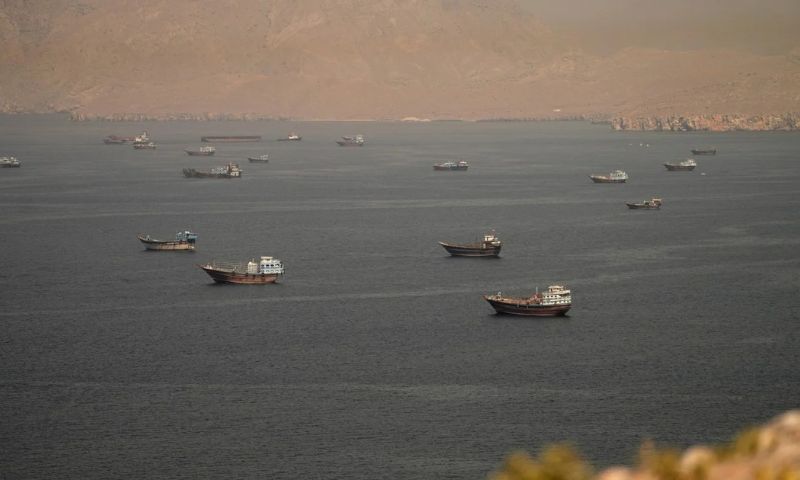
DUBAI: Vessel crossings through the Strait of Hormuz rebounded in recent days after a period of disruption, according to shipping analytics firm MarineTraffic, as mediators Pakistan and Qatar announced significant progress in talks between the United States and Iran in Switzerland.
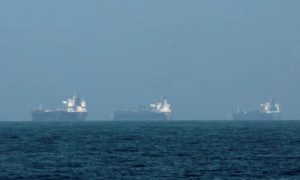
MarineTraffic said on Monday on the US social media platform X that it recorded 71 confirmed transits through the strategic waterway between June 19 and June 21, with crossings peaking at 35 on June 20.
The firm said the increase followed renewed signals around free passage through the strait. It added that more vessels were now transiting with their Automatic Identification System (AIS) switched on, indicating improved operator confidence.
Strait of Hormuz crossings rebound, but recovery remains fragile
Vessel activity through the Strait of Hormuz increased sharply between 19 and 21 June, with 71 confirmed transits recorded and a weekend peak of 35 crossings on 20 June, according to #MarineTraffic data. The… pic.twitter.com/Vce9ZRMpMK
— MarineTraffic (@MarineTraffic) June 22, 2026
However, MarineTraffic cautioned that activity has not yet returned to normal levels, noting that traffic remains below pre-crisis averages.
The Strait of Hormuz is a critical chokepoint for global energy supplies. According to the US Energy Information Administration and the International Energy Agency, around 20 million barrels per day of oil passed through the waterway in 2024, representing roughly 20% of global petroleum liquids consumption.
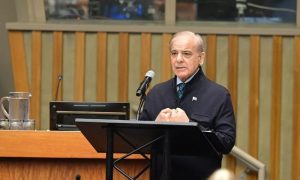
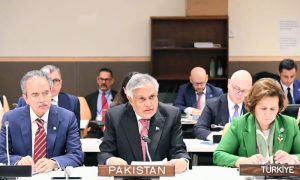
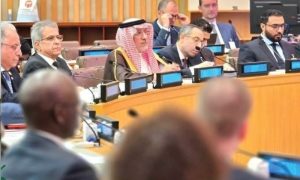
On Monday, mediators Pakistan and Qatar announced “significant progress” in ongoing diplomatic efforts between Washington and Tehran, following the first round of high-level talks in Switzerland.
A joint statement said the “Lake Lucerne Summit was conducted in a positive and constructive atmosphere” and that “encouraging progress has been made, including the creation of a mechanism for further technical talks.”
According to the statement, the US and Iranian delegations held a 100-minute initial round of talks in Bürglen (Burgenstock area) to discuss implementation of the Islamabad Memorandum of Understanding signed on June 17.
The delegations were led by US Vice President JD Vance and Iranian Parliament Speaker Mohammad Baqer Qalibaf, the statement said.
The parties agreed to establish a high-level committee to provide political oversight of the mediation process. The committee will receive regular reports from lead negotiators and supervise working groups focused on Iran’s nuclear programme, sanctions-related issues, and dispute resolution mechanisms, according to the statement.
It added that the committee had agreed on a roadmap aiming for a final deal within 60 days, alongside the immediate start of further technical discussions.
The statement also said a communication line had been established between the parties “to avoid incidents and miscommunication” and to ensure safe passage of commercial vessels through the Strait of Hormuz during the negotiations period.
A de-confliction cell involving the parties, the Lebanese Republic, and facilitated by mediators was also agreed to help ensure adherence to the termination of military operations in Lebanon.
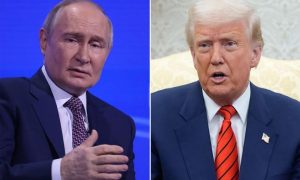
Meanwhile, the US Treasury Department announced it is temporarily lifting sanctions on Iran to allow the country to produce, sell and deliver crude oil and related products through August 21.
According to a general license published by the Treasury, “all transactions” previously prohibited involving Iranian-origin crude oil are authorised until 12:01 am Eastern Daylight Time on August 21, 2026.
US Treasury Secretary Scott Bessent said the decision was linked to Tehran’s commitments in ongoing negotiations on “free and open transit” through the Strait of Hormuz and access for International Atomic Energy Agency inspectors, according to the statement.
The Treasury added that the temporary authorisation applies to the production, sale and transport of Iranian crude oil and related transactions during the specified period.