UNITED NATIONS: Nearly 700 million people around the world are classified as living in extreme poverty, surviving on less than $2.15 per day per person, according to the World Bank.
The UN declared Oct. 17 as the International Day for the Eradication of Poverty in a resolution adopted on Dec. 22, 1992. Each year, the UN organizes various events and conferences to raise global awareness about poverty and mobilize international efforts to combat it.
This year’s theme for the International Day for the Eradication of Poverty is ending social and institutional mistreatment by ensuring respect and effective support for families.
Global Setback After COVID-19

According to a UN report, global extreme poverty had been declining rapidly from 1990 to 2019. However, the COVID-19 pandemic and the crises that followed triggered the largest global surge in poverty seen in decades.
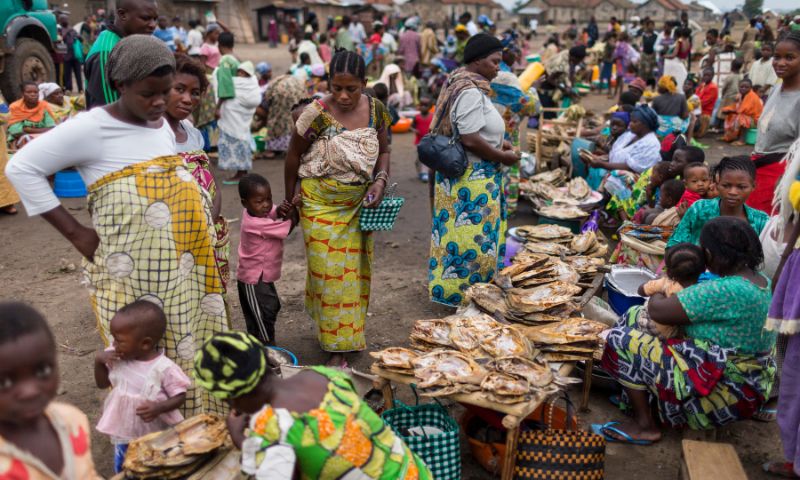
Since 2019, almost no progress has been made toward eradicating poverty. Nearly half of the world’s population—especially in regions such as South Asia and Sub-Saharan Africa—lives below the economic welfare levels that would be considered poverty in many upper-middle-income countries.
Globally, around 1 billion people live on incomes between $2.15 and $3.65 per day, while nearly half of the world’s population survives on less than $6.85 per day.
Poorest Nations and UN’s 2030 Vision

The World Bank’s 2024 Global Poverty Report estimates that about 8.5% of the world’s population lives in extreme poverty—meaning roughly 700 million people survive on less than $2.15 per day per person.
Despite these challenges, East Asia, the Pacific, and South Asia stand out as the regions that have made the most progress in poverty reduction over the past 25 years.
According to the IMF’s World Economic Outlook 2025, most of the world’s poorest countries are located in Sub-Saharan Africa, with South Sudan ranking as the poorest globally.
The UN emphasizes that eradicating all forms of poverty remains essential for achieving sustainable development under its 2030 agenda, calling for targeted programs and equal access to resources and services for all.